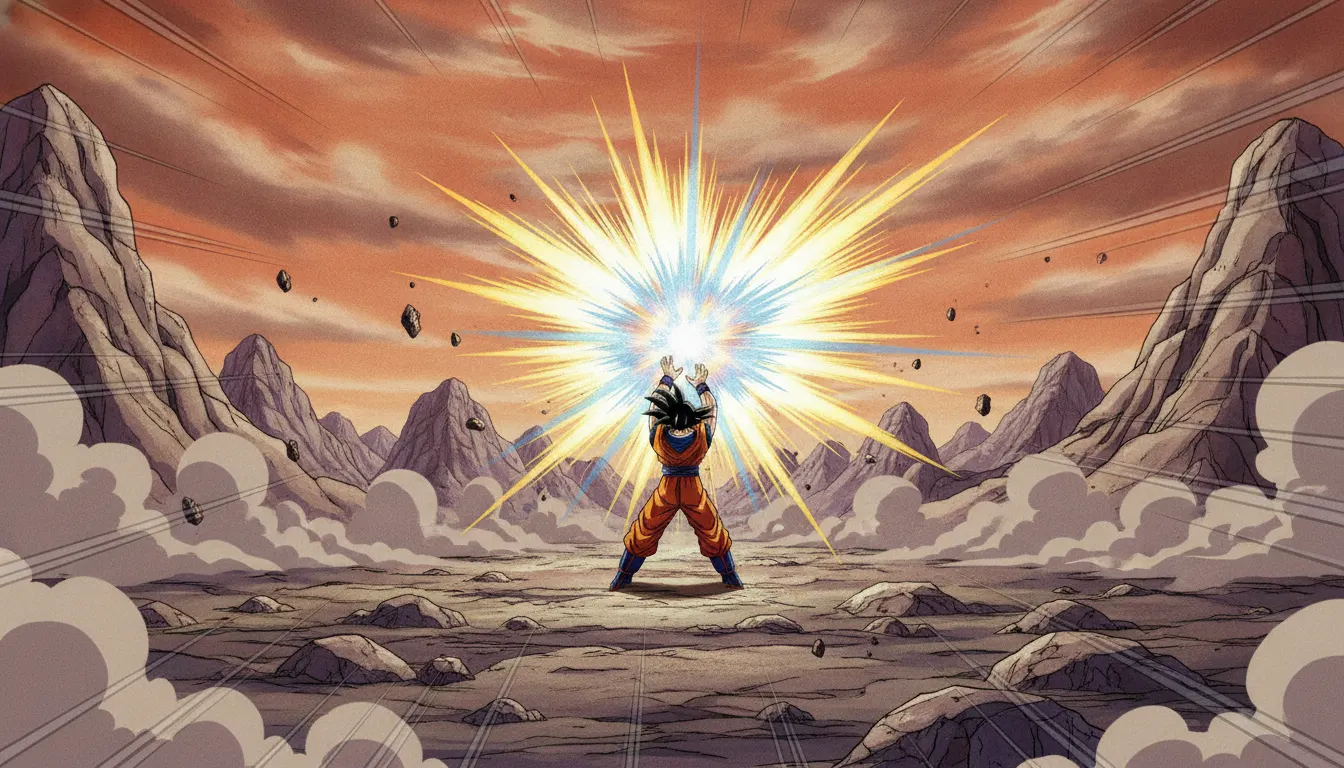
Dragon Ball manga (1984-1995)
Akira Toriyama, Weekly Shonen Jump
Toei Animation classic Dragon Ball Z register. Bold ink outlines, primary-color cel palette, ki-blast spectacle, mountainous wasteland backdrops.
The moves a human crew would use to get here. Cue applies them for you, and knowing their names is how you ask for a change.
rising energy field rendered as textured golden-yellow light with electrical spark arcs
up on transformation: normally flat or moderate hairstyles becoming angular, upward-swept golden spikes
concentrated beam of ki energy rendered as a thick blue-white cylinder with turbulent edges
ground shatters in radiating ring pattern from ki blast or landing impact
character face contorted with all visible muscles straining, veins raised, teeth clenched
towering cumulus clouds or sunset gradients used to scale up combat sequences
multiple characters' faces cut in rapid sequence as they react to a power revelation
Akira Toriyama's Dragon Ball began serialization in Weekly Shonen Jump (Shueisha) in November 1984, running until 1995 (519 chapters). The original Dragon Ball anime aired on Fuji TV from 1986-1989 (153 episodes, Toei Animation, first directed by Daisuke Nishio), followed by Dragon Ball Z from 1989-1996 (291 episodes). Together they adapted the manga into the most commercially successful anime franchise of the late 1980s and 1990s.
Toriyama's visual style is immediately recognizable through its combination of clean, confident linework and deceptively simple character design that carries exceptional expressive range. His character faces are broad and rounded, with small noses and wide mouths that exaggerate emotion legibly -- a design philosophy inherited from American comics and Osamu Tezuka but pushed toward a bolder, more graphic quality. The musculature in DBZ's combat sequences is exaggerated but cleanly rendered, avoiding the anatomical maximalism of Fist of the North Star.
The Super Saiyan transformation (first appearing in DBZ episode 95, 1991) established one of the most enduring visual conventions in anime: the power transformation sequence. Visual elements: hair turns golden yellow and spikes outward, eyes shift from dark to teal, the character's body is surrounded by rising golden energy with electrical arcs. This visual grammar -- color change, electric aura, dramatic wind effect, extreme emotional expression -- has been replicated in hundreds of subsequent anime series.
Toei's Dragon Ball backgrounds feature vast, expressive skies: dramatic cumulus cloud formations, orange-red sunset gradients, deep blue-purple evening skies, and rocky wasteland terrain. The combat environments are largely bare of architectural complexity -- an empty canyon, a desert plateau, a rocky island -- which keeps visual focus on the characters and energy effects while serving the production's limited animation budget.
Dragon Ball Z's production was under the constraints of weekly TV animation. Toei and director Nishio employed extended reaction shots, dramatic 'powering up' sequences, and extended pre-battle exchanges -- narrative conventions born of production necessity that became genre conventions. The filler arc and the power-up sequence are DBZ's main contributions to anime narrative structure, both arising from the need to pace 40 weeks of manga content across 50+ episodes per year.
Akira Toriyama (1955-2024) died in March 2024. Dragon Ball has sold over 260 million manga volumes. Dragon Ball Super (2015-2018, Toei) and Dragon Ball Super: Broly (2018, Toei, dir. Tatsuya Nagamine) represent the modern continuation of the franchise with updated animation quality while maintaining Toriyama's core character designs.
Akira Toriyama, Weekly Shonen Jump
Toei Animation, 153 episodes
Toei Animation, 291 episodes
2013
theatrical, dir. Masahiro Hosoda
2018
Toei Animation, theatrical, highest-quality animation in franchise
Toei Animation, continuation series
Toei Animation, non-Toriyama continuation
2024
Toei Animation, final Toriyama-supervised work
A Look is not a filter. It is a set of stored decisions the pipeline reads before it makes a single frame, so two videos in the same Look actually match.
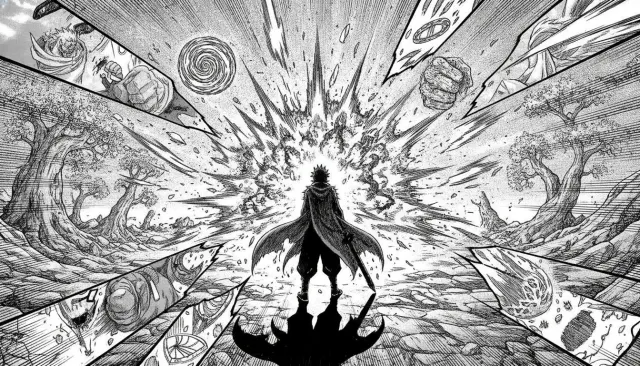 Manga PaperShonen Manga Screentone
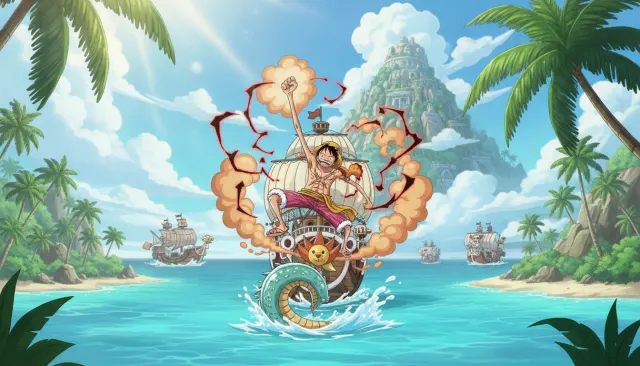 Studio Aesthetic ExpandedToei One Piece Bright
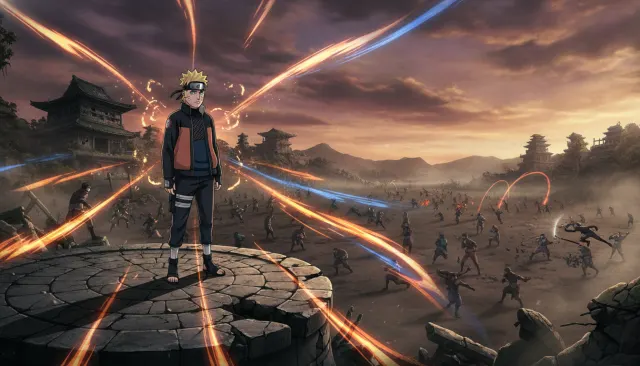 Era Classic Anime Expanded2000s Naruto Shippuden Modern Shonen
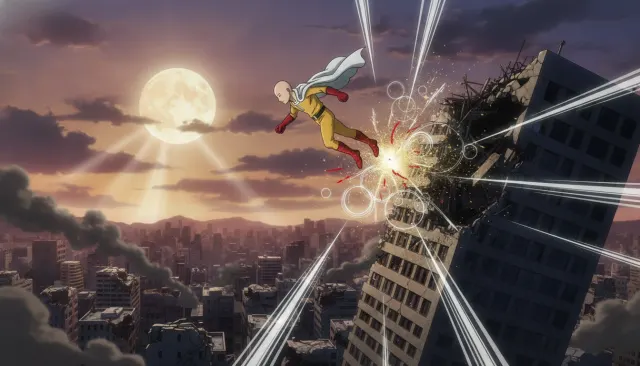 Era Classic Anime Expanded2010s One Punch Man Bouncing Comic
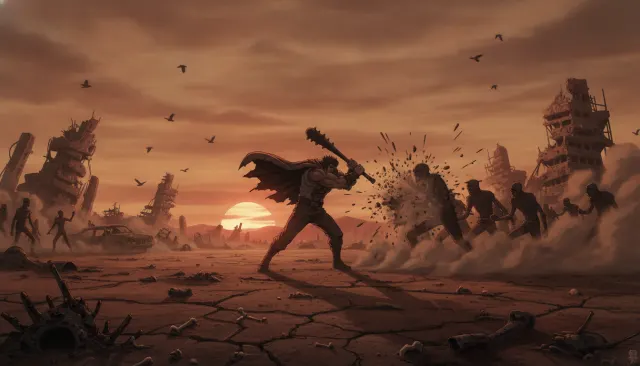 Subgenre Action DarkerPost-Apocalyptic Fist of the North Star
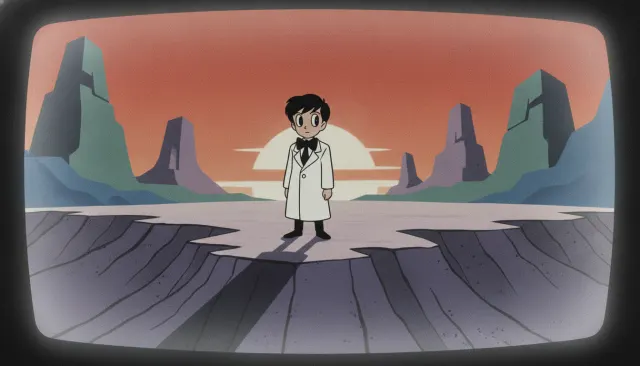 Era Classic AnimeTezuka Classic 60s
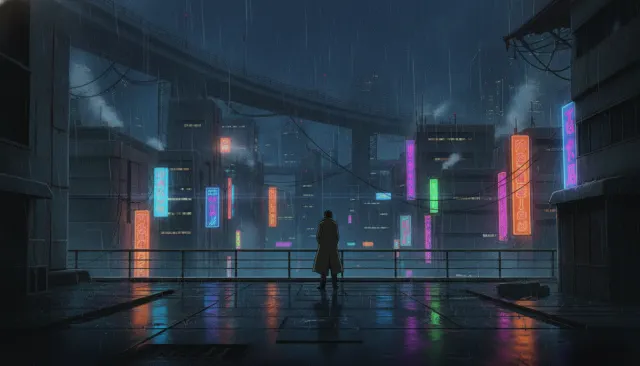 Era Classic AnimeAkira / Bebop 90s OVA Cel