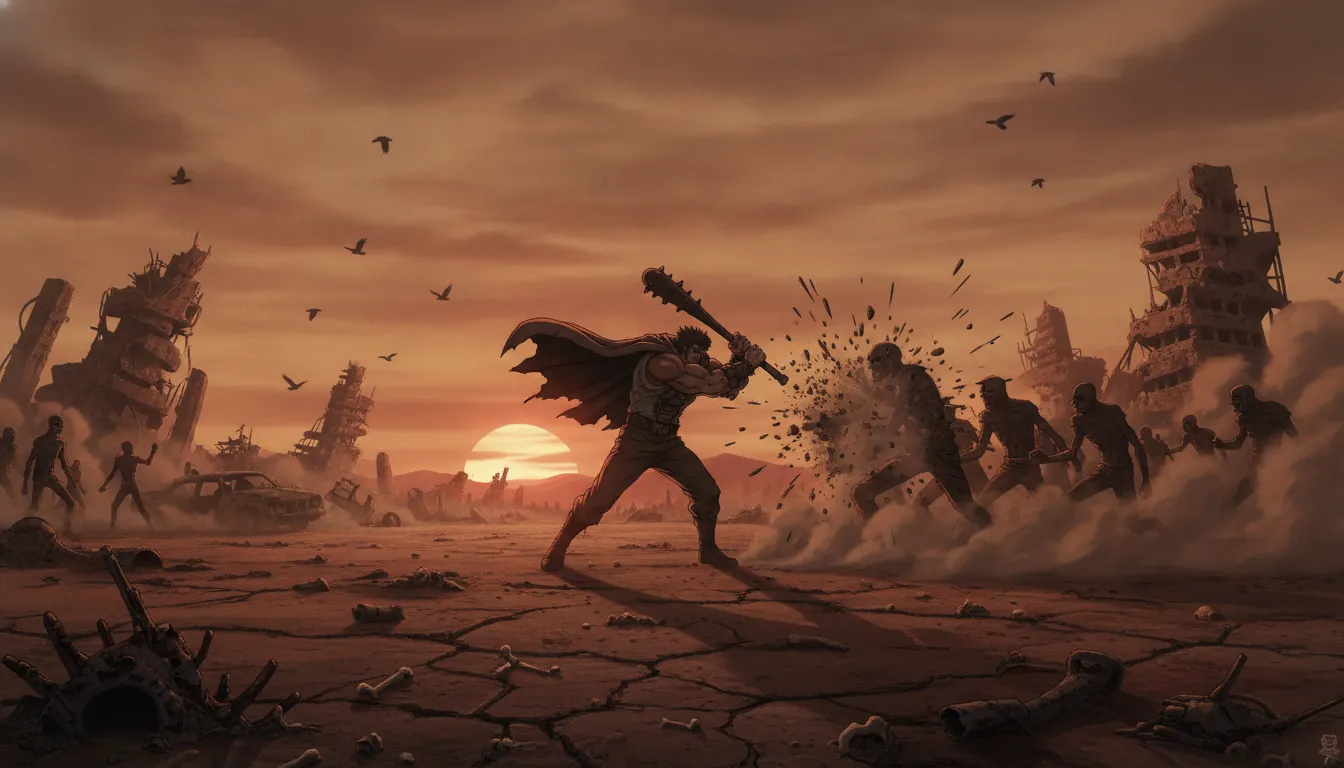
Hokuto no Ken manga (1983-1988)
Tetsuo Hara + Buronson, Weekly Shonen Jump
Post-apocalyptic wasteland anime (Fist of the North Star, Trigun, Desert Punk). Rust-and-bone palette, exaggerated muscular hero, wasteland silhouettes, brutal melee impact.
The moves a human crew would use to get here. Cue applies them for you, and knowing their names is how you ask for a change.
barrel chests, overdeveloped trapezoids, veins visible across entire musculature
black fill in shadow regions, minimal midtones
frames: action pauses at point of maximum force with motion lines radiating outward
- flat horizon lines, minimal environmental detail, emphasizing isolation
ups on scarred faces and clenched fists before combat sequences
impact body horror: exploding or distorting flesh depicted with clinical manga detailing
Originating with the manga serialized in Weekly Shonen Jump from 1983 to 1988, Hokuto no Ken (Fist of the North Star) was created by artist Tetsuo Hara and writer Buronson (Yoshiyuki Okamura). The anime adaptation aired 1984-1988, animated by Toei Animation and Ashita Production, becoming one of the defining works of the post-apocalyptic genre in Japanese popular culture.
The aesthetic draws directly from the Mad Max film series (1979-1985) and blends it with a hyper-masculine, maximalist manga sensibility rooted in 1980s Japanese popular culture. Characters are drawn with extreme anatomical exaggeration -- shoulders the width of doorframes, fists the size of cannonballs, necks like tree trunks. Kenshiro himself is modeled partly on Bruce Lee and partly on the cultural figure of the wandering warrior.
The setting is a nuclear wasteland set in 199X, a scorched Earth where civilization has collapsed and feudal warlords rule through terror. Visually, this translates to: crumbling concrete brutalist ruins, bleached sandy wastelands under a hot white sky, rusted metal vehicles and fortifications, and scattered bones. The color palette skews toward raw sienna, bone white, rust red, and dried blood brown. Violence is operatic and explicit -- exploding bodies, pressure-point combat with visceral consequences.
The 1984-1988 TV anime uses limited animation typical of its era: held cels, dramatic pose-cuts, and impact frames. The manga's screentone hatching translates into anime as deep shadows with hard edges. The 1986 theatrical film directed by Toyoo Ashida pushed the animation quality higher, featuring more fluid action sequences while preserving the iconic character designs.
Fist of the North Star directly influenced subsequent post-apocalyptic anime and manga including Jojo's Bizarre Adventure (Hirohiko Araki cited Tetsuo Hara as a major influence), Berserk, and the broader bara/muscular aesthetic in Japanese comics. Its 'omae wa mou shindeiru' (you are already dead) catchphrase became one of the most enduring memes in anime culture.
The original Fist of the North Star TV anime was produced by Toei Animation and Ashita Production under director Toyoo Ashida, who also directed the 1986 theatrical film. The TV series ran 109 episodes (1984-1987) followed by Fist of the North Star 2 (1987-1988, 43 episodes). The limited animation budget of the TV series resulted in extensive use of recycled footage, held cels during long combat dialogues, and abbreviated fight choreography -- all of which became ironic genre pleasures. The theatrical film, freed from weekly TV constraints, offered more fluid animation, particularly in the battle against Shin and the final confrontation with Raoh.
Post-apocalyptic anime has returned to prominence with Dorohedoro (2020, MAPPA), which shares Fist of the North Star's commitment to physical violence and crude-but-functional worldbuilding. The original series was partially remade with updated animation in Fist of the North Star: New Savior Legend (2008, Toei) and the pachinko game cinematics produced in the 2000s-2010s, which represent the aesthetic translated into fully digital production. The visual grammar Hara and Buronson established -- the nuclear wasteland, the martial-arts messiah, the gang-warlord antagonist -- remains the DNA of the sub-genre.
Tetsuo Hara + Buronson, Weekly Shonen Jump
Toei Animation / Ashita Production
1986
directed by Toyoo Ashida
Hirohiko Araki, direct aesthetic descendant
Kentaro Miura, shares hyper-detailed musculature and dark-world ethos
1981
George Miller, primary live-action visual reference for the wasteland setting
pinnacle of the series' hyper-masculine villain archetype
iconic character design detail that defined the 'scarred hero' archetype
A Look is not a filter. It is a set of stored decisions the pipeline reads before it makes a single frame, so two videos in the same Look actually match.
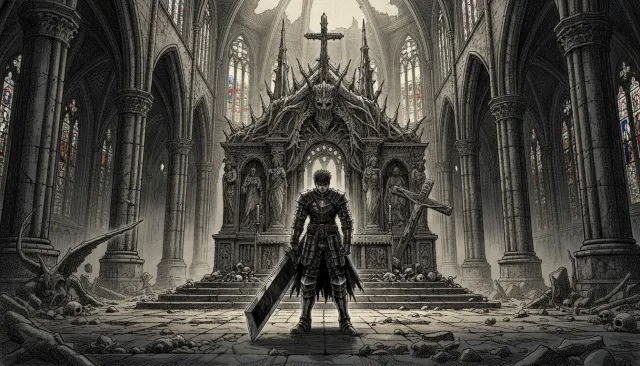 90S Manga AestheticsBerserk Dark Fantasy Ink Detail
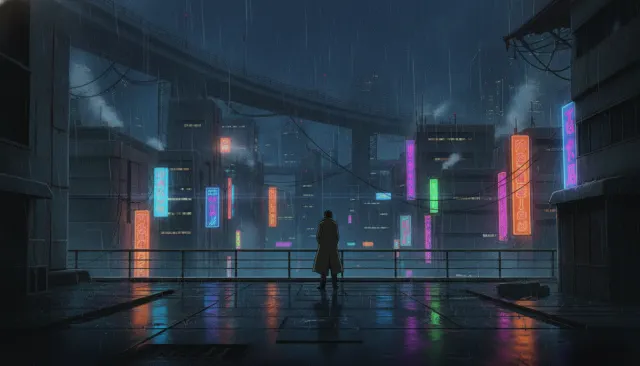 Era Classic AnimeAkira / Bebop 90s OVA Cel
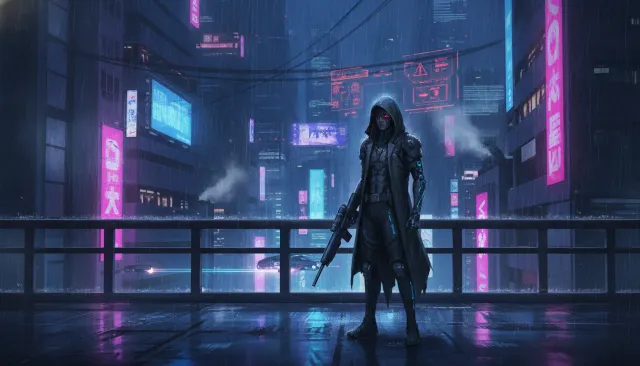 Subgenre Action DarkerCyberpunk Anime Akira Modern
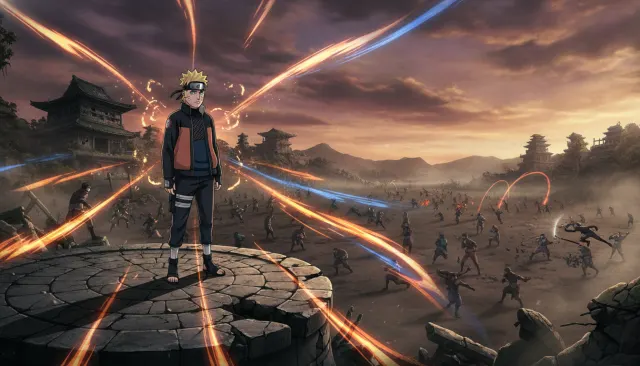 Era Classic Anime Expanded2000s Naruto Shippuden Modern Shonen
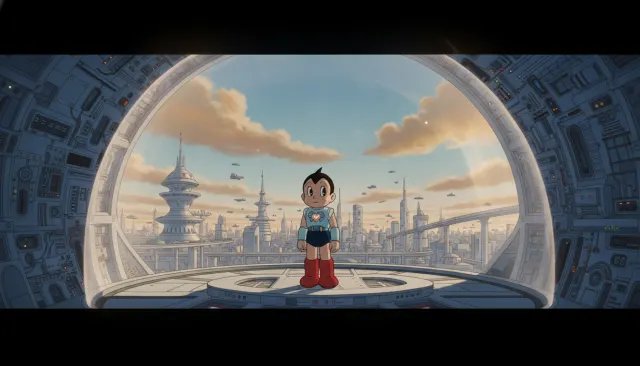 Era Classic Anime Expanded60s Tezuka Astro Boy Detailed
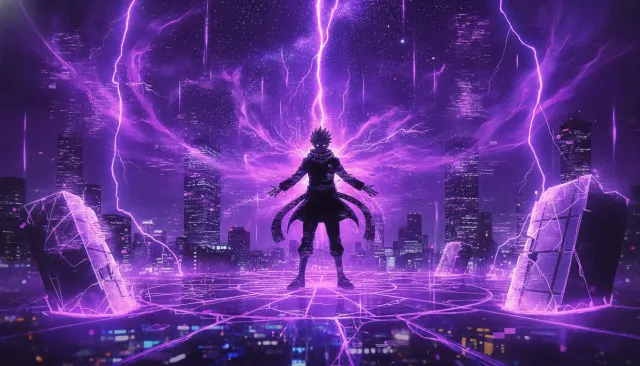 Era Classic Anime Expanded2020s Jujutsu Kaisen Cursed Energy