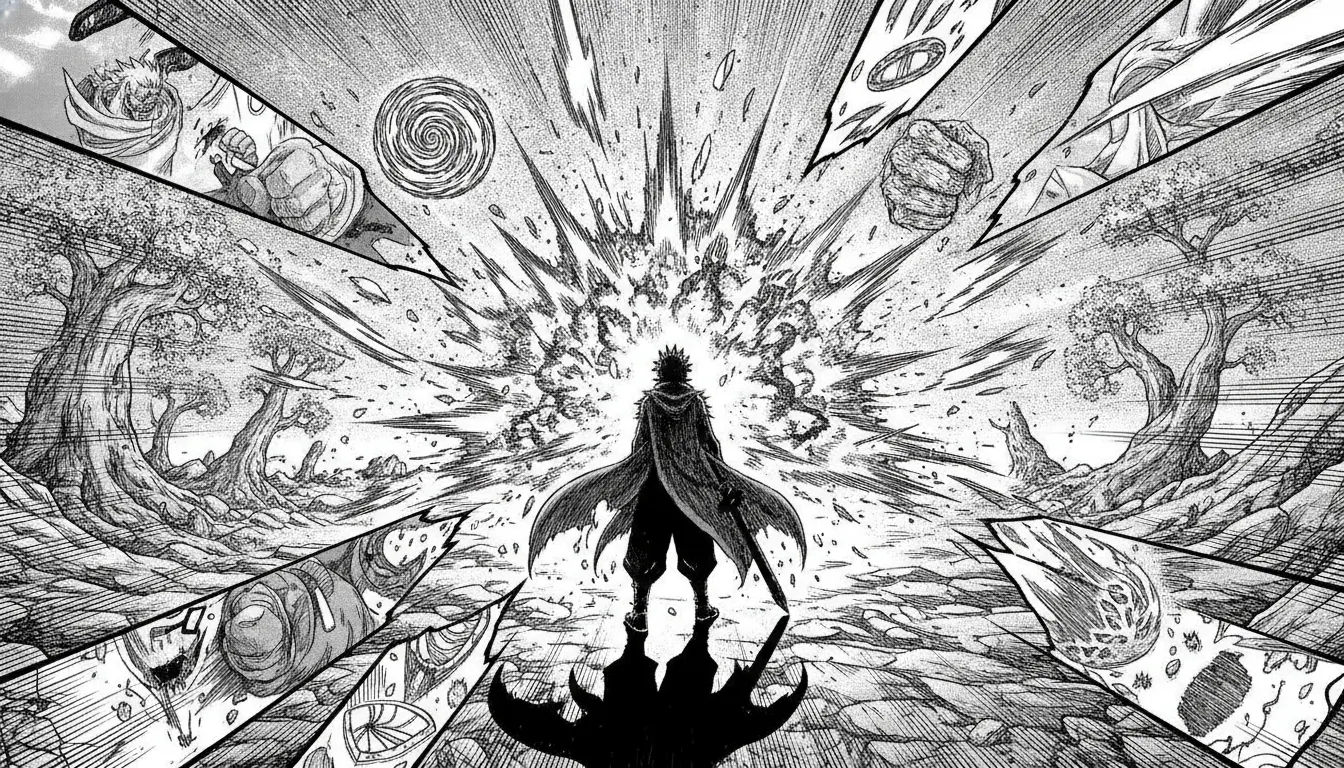
Dragon Ball / DBZ (1984-1995)
Akira Toriyama, Weekly Shonen Jump, foundational battle manga template
Black and white shonen manga register (Naruto, Bleach, Dragon Ball, One Piece). Heavy screentones, speed lines, ink-splash impact frames, dynamic gutters.
The moves a human crew would use to get here. Cue applies them for you, and knowing their names is how you ask for a change.
70% density depending on tonal target
- not just shadow but graphic shape (Tite Kubo technique)
proportion breakaways used for comedy beats within action narrative
figures extend beyond their panel borders to signal power overwhelming containment
The screentone -- adhesive acetate sheets printed with halftone dot patterns, cross-hatching, or tonal gradients -- was the defining production technology of 20th century manga. Applied by assistants using X-Acto knives and burnishers over hand-drawn ink pages, screentone enabled the illusion of gray tones and textured fills within the two-color (black/white) printing constraints of weekly magazine publication.
The major shonen anthology Weekly Shonen Jump (Shueisha, founded 1968) published nearly all its content in black-and-white with screentone throughout its dominant era (1980s-2010s). This constraint became a grammar: specific tonal densities signal specific things -- 30% dot tone as skin shadow, 50% cross-hatch as metal surface, 70% radial dot as dark sky. Digital tools (Clip Studio Paint, formerly Manga Studio) replicated this grammar exactly, and contemporary mangaka routinely apply 'digital screentone' that is visually indistinguishable from the physical original.
The speed line (collection of parallel lines converging toward a vanishing point) is the manga visual language's most distinctive device. Applied to backgrounds during action sequences, it converts static ink on paper into kinetic force. Impact lines radiate outward from a punch or explosion origin point. Focus lines draw the eye to the emotional center of a panel. These are used systematically across virtually all shonen manga and their anime adaptations.
Shonen manga uses panel size and shape expressively: small regular panels for fast-paced dialogue; giant full-page spreads for emotional or action peaks. The double-page spread -- used for arrival of major characters, decisive attacks, and chapter-ending emotional beats -- is the medium's equivalent of the cinematic wide shot. Naruto (Masashi Kishimoto, 1999-2014) and Bleach (Tite Kubo, 2001-2016) both used spreads extensively.
The defining canon of screentone shonen includes: Dragon Ball (Akira Toriyama, 1984-1995, clean linework with minimal tone), Naruto (Masashi Kishimoto, heavy screentone shadow work), Bleach (Tite Kubo, fashion-conscious design with dramatic black fills), One Piece (Eiichiro Oda, dense crosshatch and world-building detail), and Hunter x Hunter (Yoshihiro Togashi, rough sketch-quality linework as deliberate style choice). Hajime Isayama's Attack on Titan (2009-2021) represents the contemporary rougher-linework evolution of the tradition.
The transition from physical to digital screentone (circa 2000-2010) was enabled by software like Manga Studio (now Clip Studio Paint), which replicated every physical tone sheet in digital form. This democratized manga production -- artists could now work alone without the assistant labor previously required for screentone application, and they could correct mistakes impossible to fix with physical acetate. Contemporary digital manga on platforms like Pixiv, Webtoon, and Manga UP combines the traditional screentone grammar with digital coloring and effects. The screentone aesthetic remains the visual language that signals 'printed manga' to readers, even when the actual production is fully digital.
Akira Toriyama, Weekly Shonen Jump, foundational battle manga template
Masashi Kishimoto, Weekly Shonen Jump, 250M+ copies
Tite Kubo, Weekly Shonen Jump, fashion-forward character design
Eiichiro Oda, Weekly Shonen Jump, highest-selling manga series 520M+ copies
Yoshihiro Togashi, deliberate sketch quality as advanced style
Hajime Isayama, Bessatsu Shonen Magazine, contemporary rougher variant
Kohei Horikoshi, current-gen screentone shonen
Hiromu Arakawa, Monthly Shonen Gangan, cleaner feminine-by-male variant
A Look is not a filter. It is a set of stored decisions the pipeline reads before it makes a single frame, so two videos in the same Look actually match.
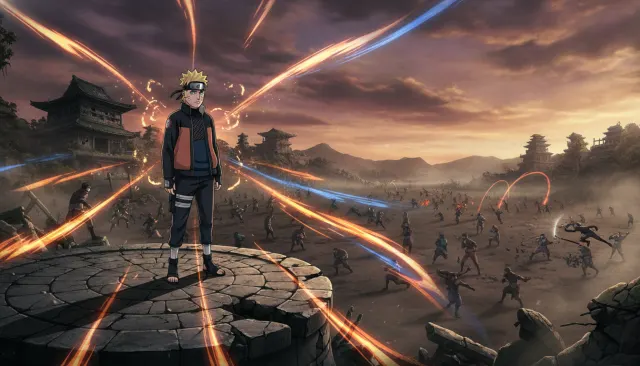 Era Classic Anime Expanded2000s Naruto Shippuden Modern Shonen
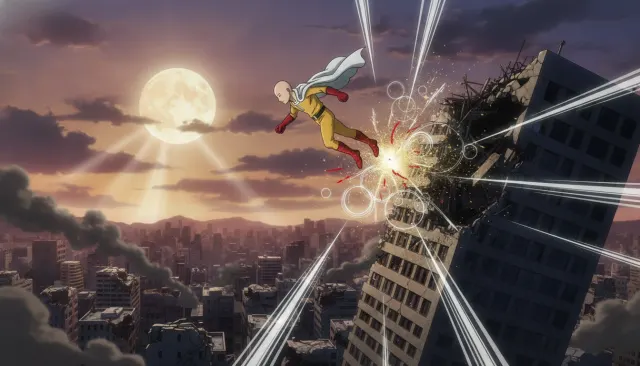 Era Classic Anime Expanded2010s One Punch Man Bouncing Comic
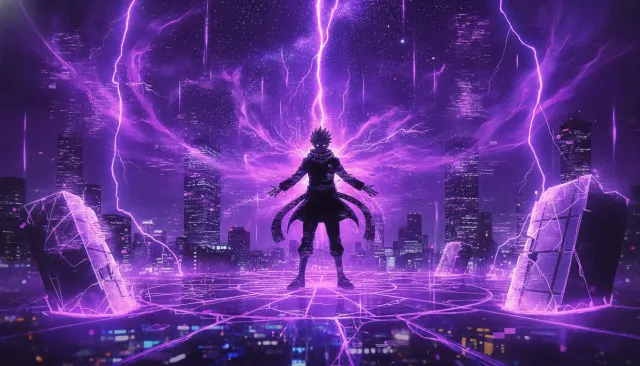 Era Classic Anime Expanded2020s Jujutsu Kaisen Cursed Energy
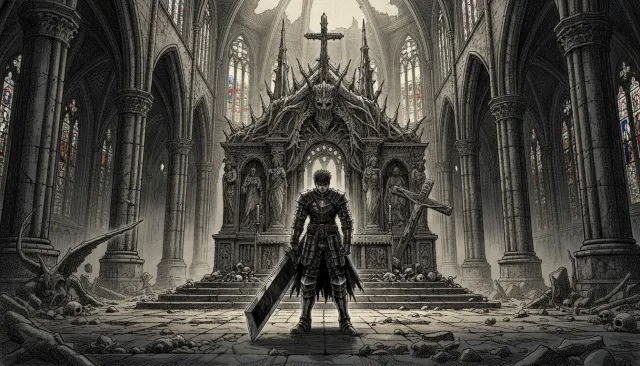 90S Manga AestheticsBerserk Dark Fantasy Ink Detail
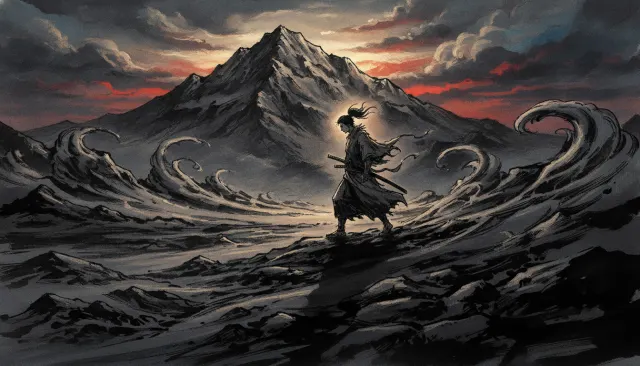 90S Manga AestheticsVagabond Inoue Brush Stroke Manga
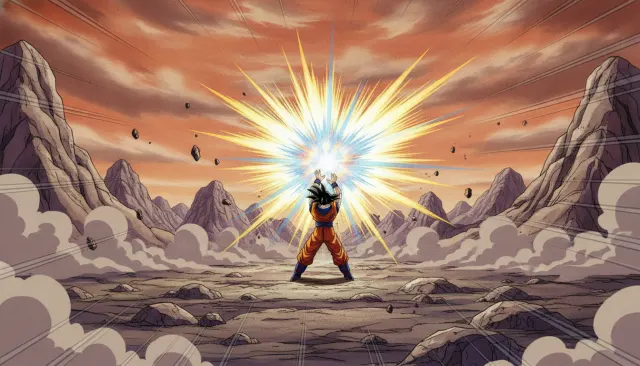 Studio Aesthetic ExpandedToei Dragon Ball Classic
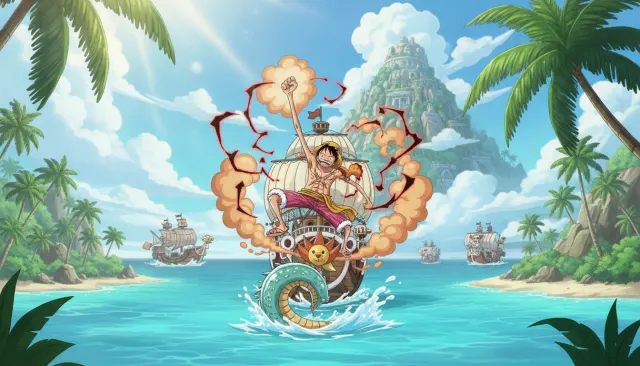 Studio Aesthetic ExpandedToei One Piece Bright
 Era Classic AnimeAkira / Bebop 90s OVA Cel