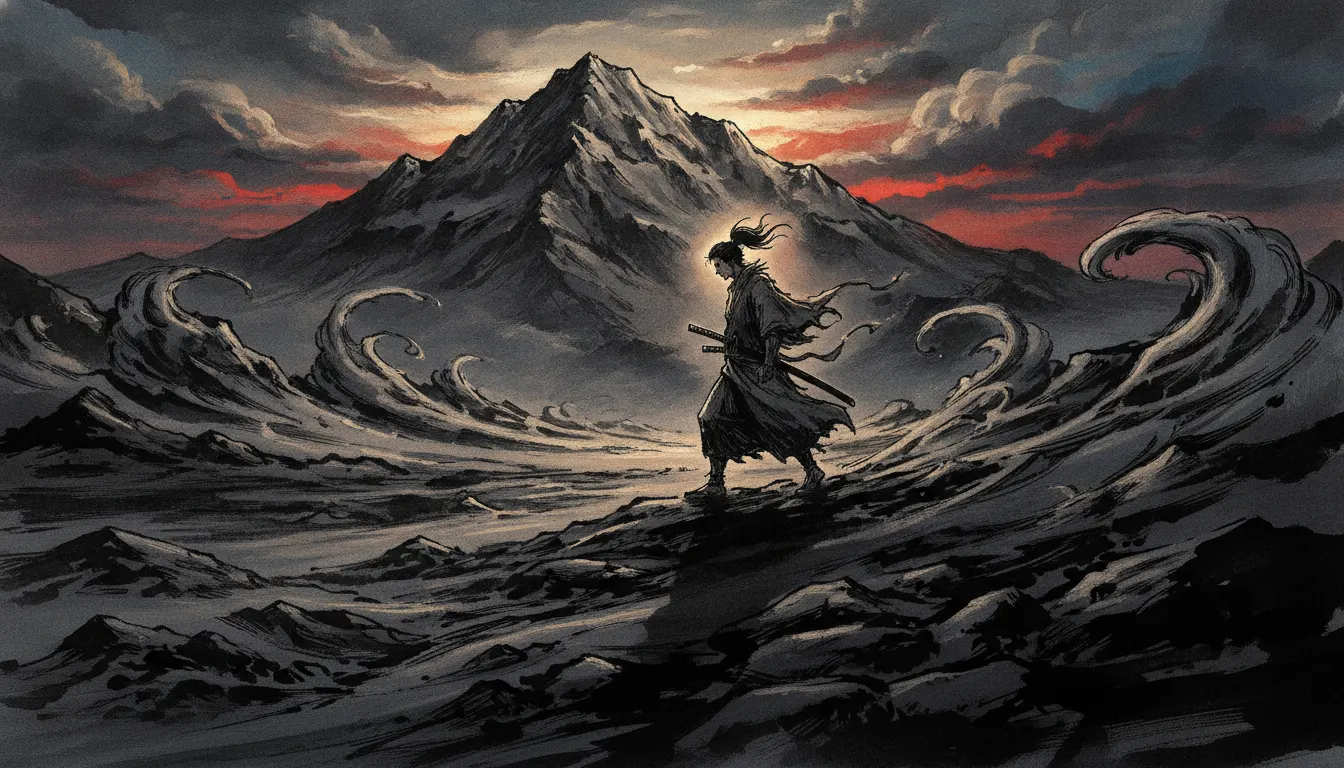
Vagabond manga (1998-2015)
Takehiko Inoue, 37 volumes, Kodansha
Takehiko Inoue Vagabond / Slam Dunk brush-stroke register. Sumi-e ink brushwork, expressive sweeping linework, contemplative samurai pacing, painterly action splash pages.
The moves a human crew would use to get here. Cue applies them for you, and knowing their names is how you ask for a change.
- same brush creating hair-thin and brush-broad marks in one movement
individual bristle trails visible creating texture rather than solid coverage
on-wet: diluted ink pooled over already-applied ink to create atmospheric depth through density variation
large white regions functioning as structured negative space rather than absent background
single rapid brushstroke grass and plant forms impossible to slow down and remain authentic
stalk rendering: single tapering stroke with deliberate wobble encoding the organic imperfection of living material
eyes, nose, and mouth rendered with minimum marks (sometimes three strokes total) yet fully expressive through placement precision
While the seinen-detailed-vagabond-ink entry addresses Vagabond within the broader context of seinen manga aesthetics, this entry focuses specifically on Takehiko Inoue's brushwork technique as a self-contained visual style with applications beyond its source material.
Takehiko Inoue (born 1967) began his career with the basketball manga Slam Dunk (1990-1996, Weekly Shonen Jump), which used clean technical pen linework conventional to the shonen tradition. The visual evolution to Vagabond (1998) represented a deliberate departure: Inoue moved from technical pens to traditional sumi brushes and ink stones, developing a technique over the course of the series' 17-year run that continued to grow in mastery through its final chapters.
The specific technique Inoue employs derives from the Japanese sumi-e (ink wash painting) tradition, itself inheriting from Chinese ink painting (shuimohua). The defining quality of sumi-e is that ink and water cannot be corrected -- each mark is permanent, and the quality of the work is inseparable from the artist's physical state, confidence, and training at the moment of mark-making. This gives Vagabond's linework a quality of presence and immediacy that no digital tool fully replicates.
Inoue's brushwork operates across a spectrum of mark types:
Vagabond's most distinctive compositional choice is the aggressive use of white (unpainted paper) as a positive compositional element. Entire backgrounds are implied rather than drawn. A single figure occupies a fraction of the page area; the surrounding white space is not emptiness but structured silence that amplifies the figure's presence.
The brushwork is inseparable from Vagabond's themes: the roughness of a samurai's path, the meditative quality of mastery, the violence that cannot be undone. The ink itself -- once applied, permanent -- mirrors the irreversibility of violence. The white space mirrors the unknowability of other people's inner lives. Form and content achieve rare unity.
Takehiko Inoue, 37 volumes, Kodansha
Takehiko Inoue, sports/disability drama using same brushwork technique
Takehiko Inoue, preceding technical-pen style showing evolution
2022
theatrical film dir. Inoue, 3D CG with Inoue's design sensibility
Kentaro Miura, comparable fine art commitment via crosshatching instead of brush
Kazuo Koike + Goseki Kojima, foundational expressive-ink samurai manga
Hiroaki Samura, Western-influenced hatching parallel
Hayao Miyazaki, comparable artistic ambition in pencil-based manga
A Look is not a filter. It is a set of stored decisions the pipeline reads before it makes a single frame, so two videos in the same Look actually match.
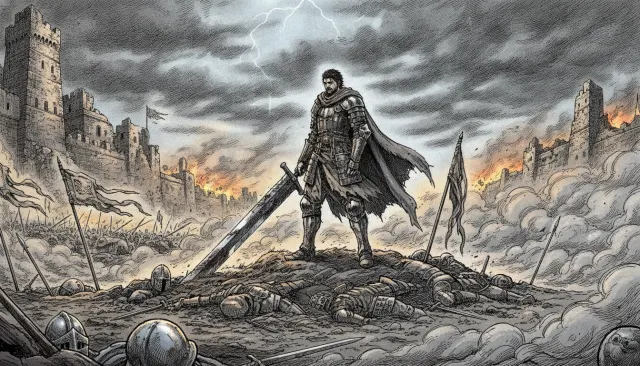 Manga SubtypesSeinen Detailed Vagabond Ink
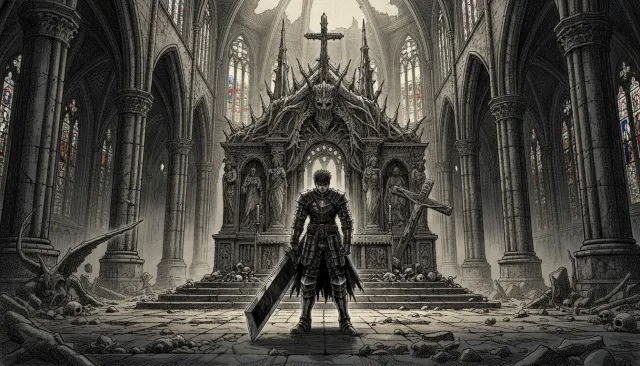 90S Manga AestheticsBerserk Dark Fantasy Ink Detail
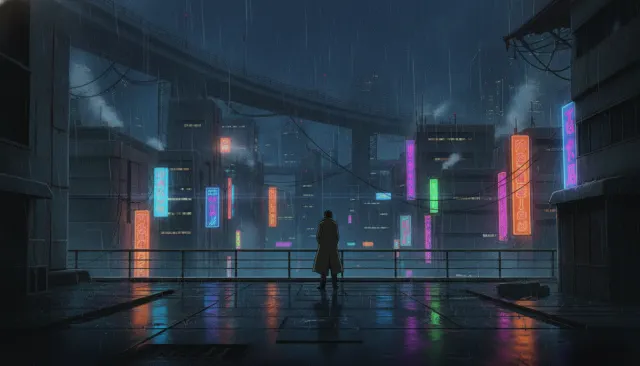 Era Classic AnimeAkira / Bebop 90s OVA Cel
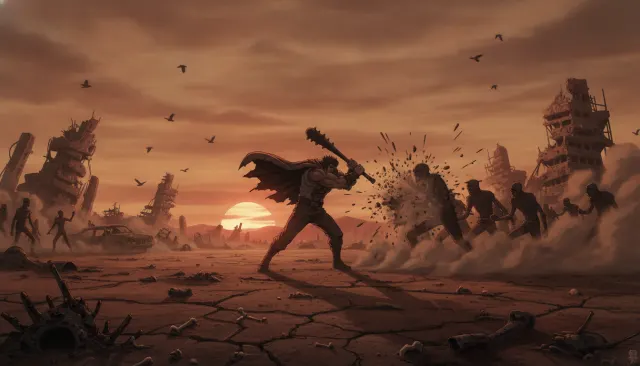 Subgenre Action DarkerPost-Apocalyptic Fist of the North Star
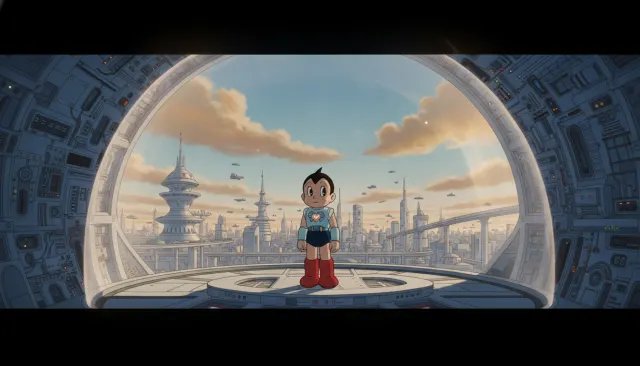 Era Classic Anime Expanded60s Tezuka Astro Boy Detailed
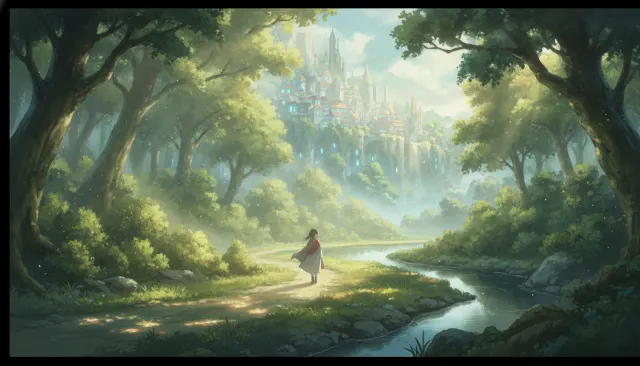 Subgenre NicheSlice of Life Iyashikei Mushishi Calming