Vagabond manga (1998-2015)
Takehiko Inoue, Weekly Morning/Kodansha, 37 volumes
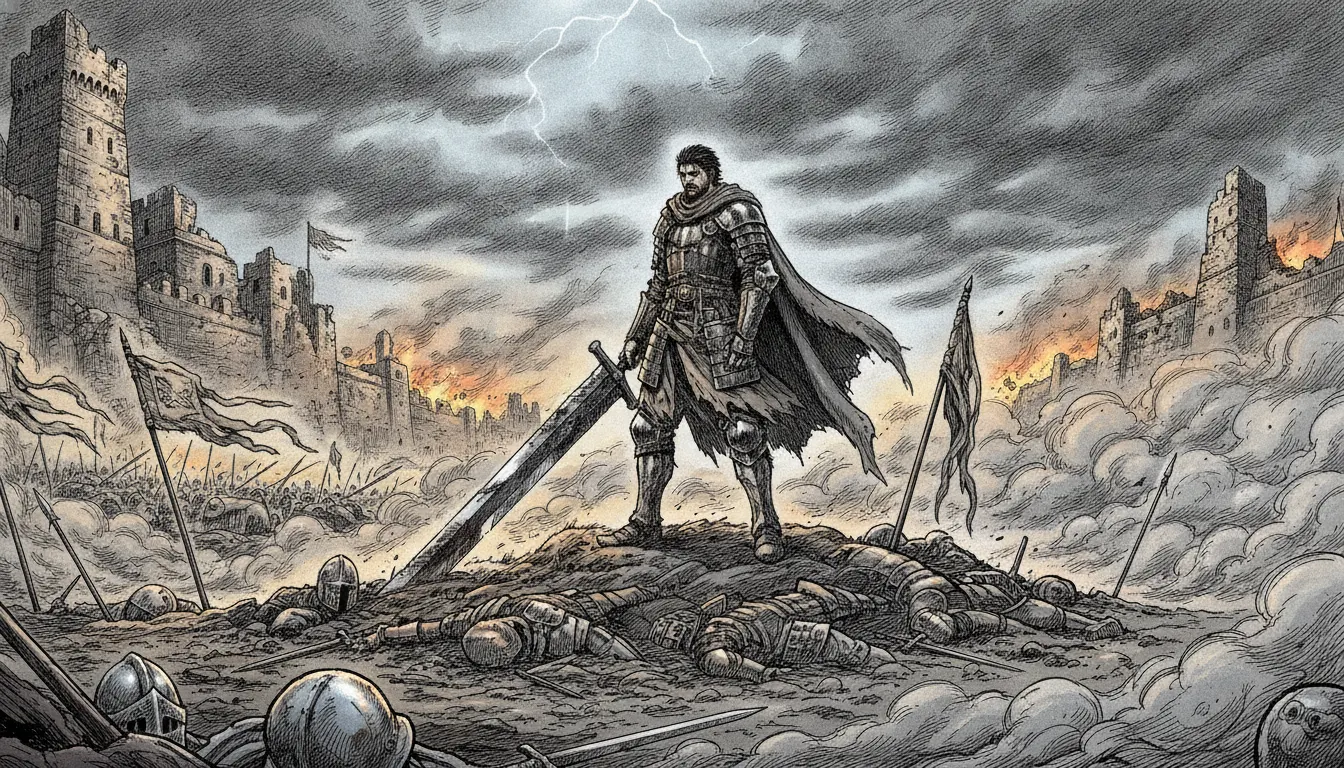
Seinen (adult men) detailed manga register (Vagabond, Berserk, Vinland Saga, Kingdom). Hyper-detailed ink hatching, brush-line action, hand-drawn battlefield realism, mature staging.
The moves a human crew would use to get here. Cue applies them for you, and knowing their names is how you ask for a change.
weight brushwork: single continuous strokes that shift from hair-thin to broad wash within millimeters, encoding speed and pressure
- entire background regions left blank to focus weight on a single figure or feature
on-wet) building atmospheric depth in sky, ground, and water backgrounds
bleed combat spreads abandoning panel grids, where brushstroke trajectories map the geometry of violence
up eyes with minimal linework -- a single carefully placed mark reading as profound inner life
key (near-white) faces contrasted against dark, heavily inked backgrounds to isolate characters emotionally
Takehiko Inoue's Vagabond, serialized in Weekly Morning (Kodansha) from 1998 to 2015 (hiatus ongoing), is widely considered the apex of artistic achievement in manga history. Based on Eiji Yoshikawa's novel Musashi, it follows the legendary swordsman Miyamoto Musashi from the Battle of Sekigahara (1600) through his years of wandering and dueling. The manga has sold over 82 million copies, making it one of the best-selling manga series in history.
Unlike most manga artists who draw with technical pens or digital tools, Inoue works primarily with sumi (ink wash) and traditional brushes on washi paper. This gives Vagabond its distinctive quality: linework that ranges from razor-thin slivers to explosive brushstroke torrents within the same panel. Backgrounds are rendered with exceptional painterly care -- stone walls with individual texture, bamboo forests with overlapping depth, mud and water with fluid gestural marks.
The aesthetic vocabulary is built on contrast between negative space and dense mark-making. White paper is aggressively preserved in highlight regions while shadows are filled with broad ink washes layered to create depth. Combat sequences abandon conventional panel grids, using full-bleed spreads where brushstrokes become the kinetic energy of the fight -- the line is the motion.
Seinen manga (targeting men aged 18-40) occupies a different register from shonen: the pacing is slower, psychological interiority is primary, and violence has physical and moral weight rather than spectacle. Vagabond extends this further toward literary ambition -- many chapters are near-wordless, carrying narrative through composition and mark. Inoue's Real (1999+, also Kodansha) applies the same brushwork technique to a modern basketball/disability narrative.
The tradition Inoue draws from includes Yoshiharu Tsuge (avant-garde manga, 1960s-70s), the ink painting tradition of Chinese and Japanese literati art (bunjinga), and Western ink illustrators. His contemporary parallel is Kentaro Miura (Berserk), who achieves comparable detail through dense crosshatching rather than brushwork. Both represent the ceiling of the 'detail as devotion' school of manga art.
Vagabond has won the Kodansha Manga Award (2000) and the Tezuka Osamu Cultural Prize (2002), the latter being the highest distinction in Japanese comics. Western critical coverage has consistently placed it among the greatest comic works in any tradition. The English translation by Viz Media brought the series to international audiences, where its reputation has grown steadily independent of anime adaptation -- unusually, Vagabond has never received a TV anime adaptation, which has kept the manga's visual identity distinct from the visual compromises anime production inevitably requires.
Inoue's brushwork technique has directly influenced a generation of younger mangaka. Tsutomu Nihei (Blame!, Knights of Sidonia) cites detail-as-worldbuilding; Yusuke Murata (One-Punch Man re-draw, Eyeshield 21) has spoken about painterly ambition; and the broader movement of 'art manga' that emerged in the 2000s -- work published in seinen magazines that prioritizes visual art over commercial formula -- owes a structural debt to Vagabond's demonstration that manga readers would sustain a work prioritizing beauty above pacing.
Takehiko Inoue, Weekly Morning/Kodansha, 37 volumes
Takehiko Inoue, Weekly Morning/Kodansha, basketball/disability drama
Takehiko Inoue, earlier sports manga showing technical evolution
Kentaro Miura, parallel apex of seinen detail via crosshatching
Kazuo Koike + Goseki Kojima, foundational samurai manga with expressive ink
Hiroaki Samura, elaborate hatching technique in samurai context
Yuki Urushibara, quieter but comparably artistic seinen approach
Hayao Miyazaki, comparable artistic ambition in manga form
A Look is not a filter. It is a set of stored decisions the pipeline reads before it makes a single frame, so two videos in the same Look actually match.
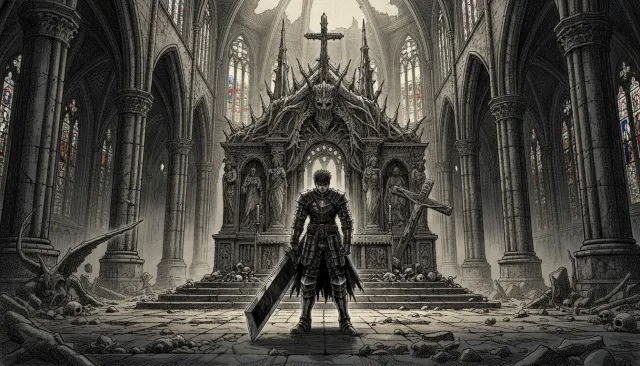 90S Manga AestheticsBerserk Dark Fantasy Ink Detail
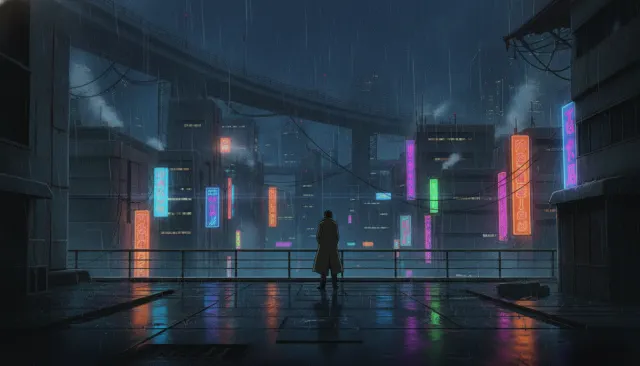 Era Classic AnimeAkira / Bebop 90s OVA Cel
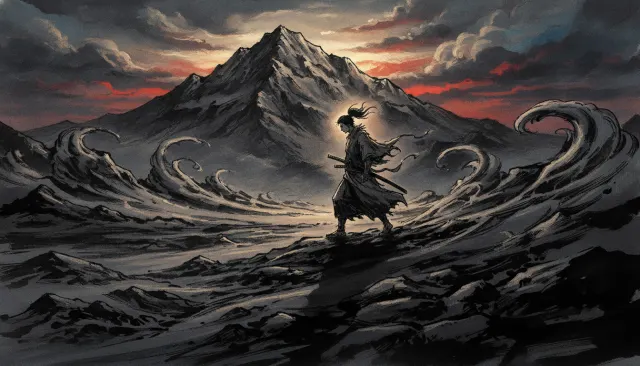 90S Manga AestheticsVagabond Inoue Brush Stroke Manga
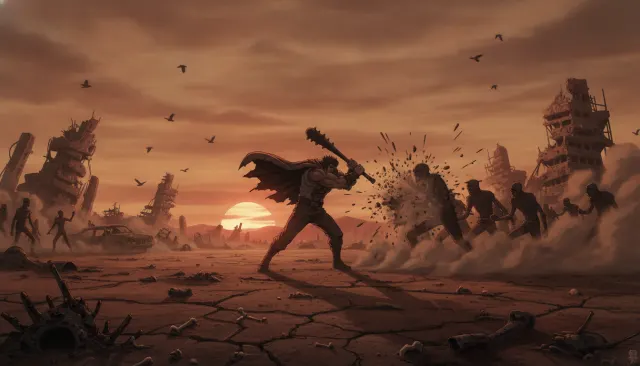 Subgenre Action DarkerPost-Apocalyptic Fist of the North Star
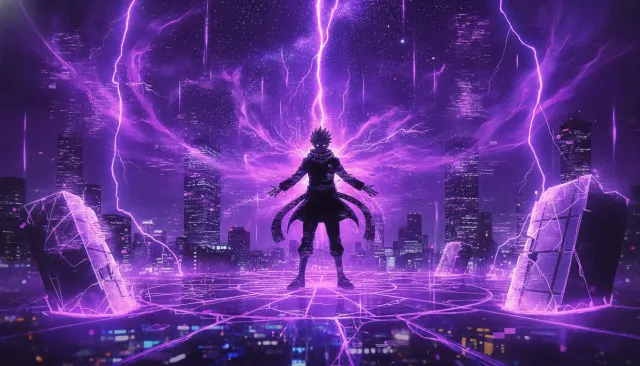 Era Classic Anime Expanded2020s Jujutsu Kaisen Cursed Energy
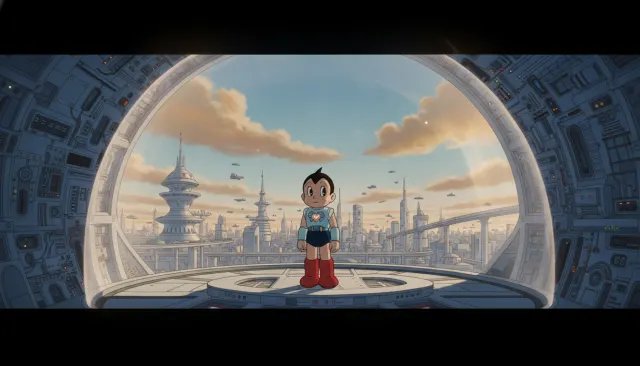 Era Classic Anime Expanded60s Tezuka Astro Boy Detailed