Harlan County USA
Barbara Kopple · 1976
Landmark social documentary; the full 70s doc grammar in service of labour activism
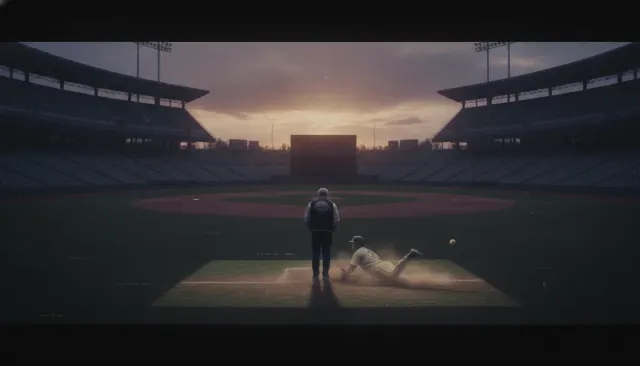
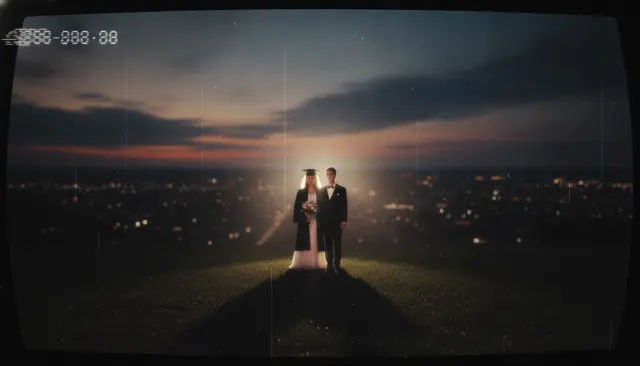
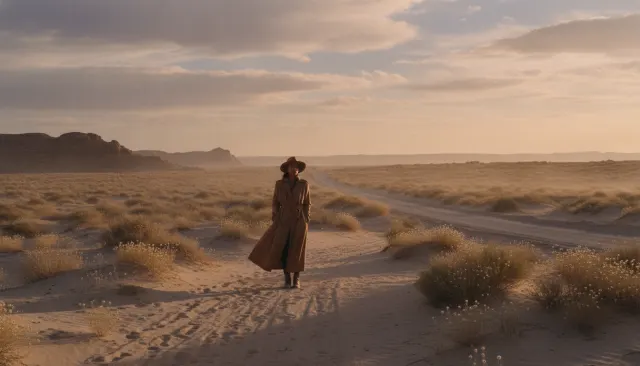
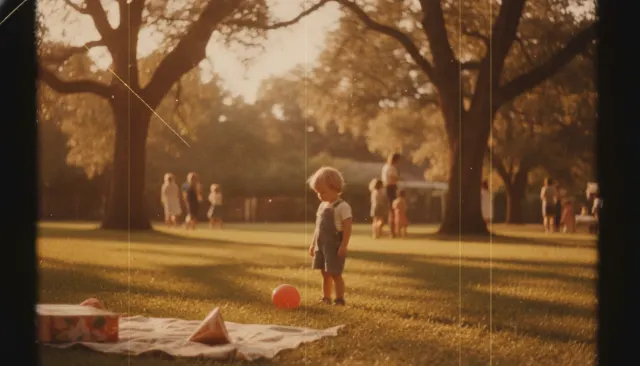
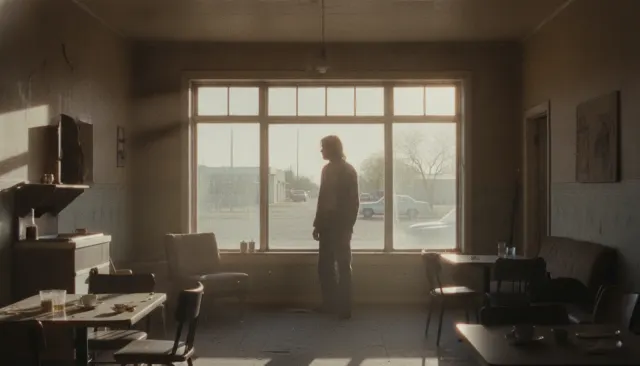
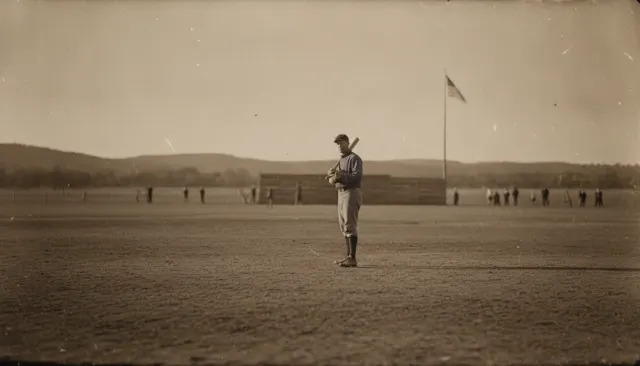
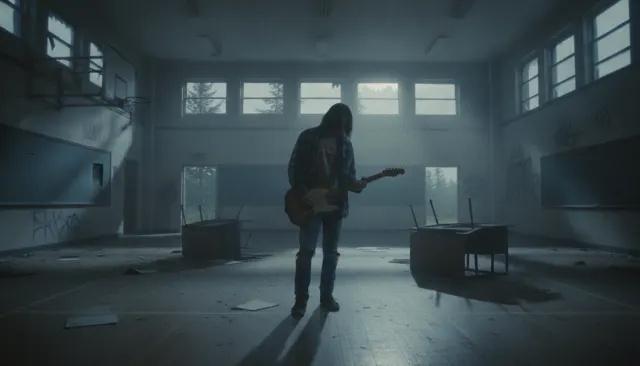
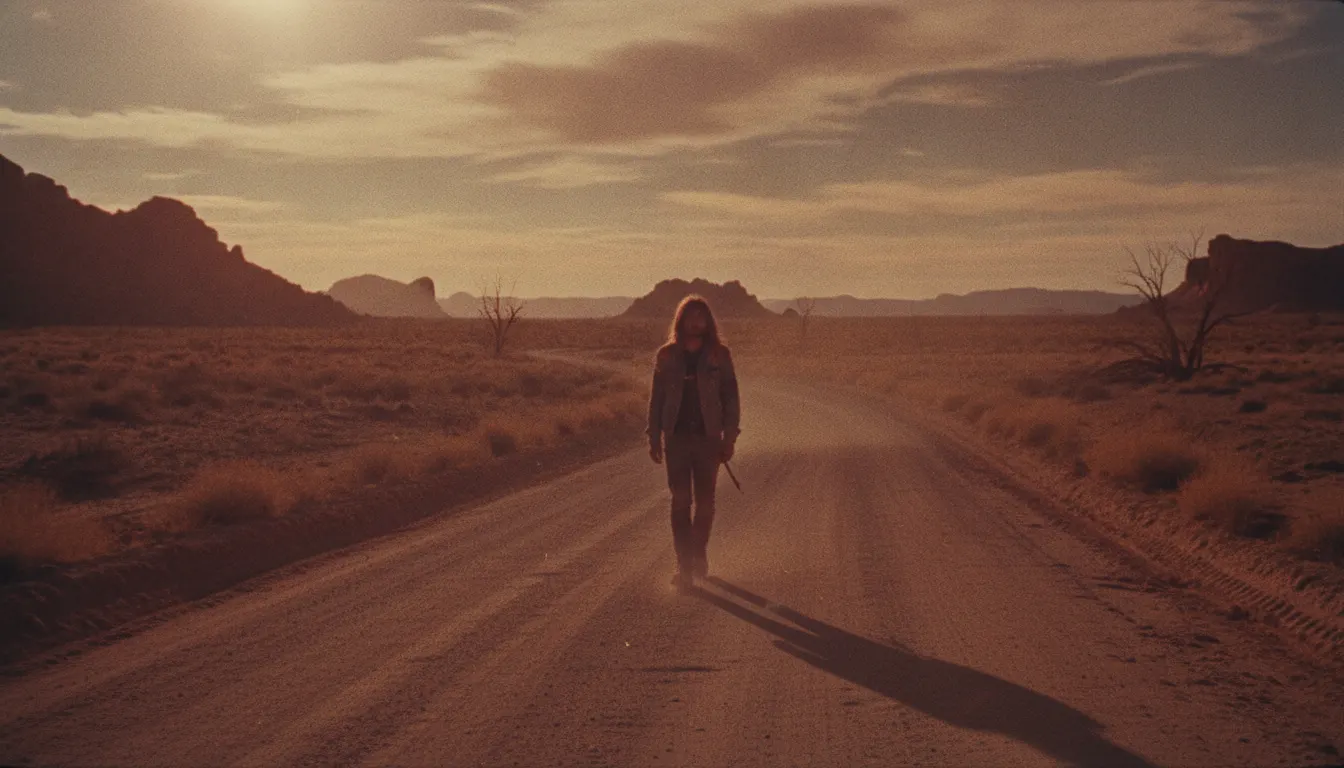
1970s documentary film. Heavy grain, faded reds, telecine wobble, contemplative pace.
The moves a human crew would use to get here. Cue applies them for you, and knowing their names is how you ask for a change.
Warm orange-yellow colour lift combined with visible film grain simulates Kodak Ektachrome processing of the era.
Window light and exterior sources are allowed to overexpose, mimicking the limited dynamic range of period negative stocks.
Camera is shoulder-mounted and reactive, reframing mid-shot as action develops rather than cutting.
Slow-push zooms rather than dolly moves; the zoom lens was the workhorse optic of 16mm documentary.
Uncorrected lens flares and light halation around bright sources are preserved rather than corrected.
Occasional frame flash, splices, and brightness surges at reel ends are used as period-authentic texture.
The 1970s documentary aesthetic is one of cinema's most immediately recognisable visual signatures, shaped by the convergence of new lightweight camera technology, faster film stocks, and a documentary movement committed to radical presence in the world it observed. The look is defined by warm-to-orange colour grading (characteristic of Kodak Ektachrome and early Kodachrome processing), visible grain, soft lens optics, and the slightly degraded quality of optical printing and multiple-generation duplicates.
The movement began in the 1960s with filmmakers like D.A. Pennebaker (Don't Look Back, 1967; Monterey Pop, 1968), Frederick Wiseman (Titicut Follies, 1967), and the Maysles Brothers (Gimme Shelter, 1970). These pioneers used the newly portable Eclair NPR and Arriflex BL cameras with crystal-sync sound, enabling the kind of close-quarters observational shooting previously impossible.
By the mid-1970s, this approach had matured into the look most contemporary viewers associate with the era: Harlan County USA (1976, Barbara Kopple), The Act of Seeing with One's Own Eyes (1971, Stan Brakhage), and the landmark concert films Woodstock (1970) and The Last Waltz (1978, Martin Scorsese). Each combines the amber-grain quality of available-light 16mm or 35mm shooting with a looseness of framing that communicates genuine access.
The distinctive warmth stems from the colour science of Eastman Kodak and Fuji negative stocks of the period, combined with the optical printing processes used to produce release prints. Whites blow out easily; shadows retain warm density rather than going to clean black. Lens coatings of the era produced characteristic flares and halations, particularly with anamorphic glass.
Contemporary recreations of the look use film grain overlays, LUTs derived from scanned 70s footage, warm shadow lifts, and reduced colour saturation in the blue channel while boosting amber. The horizontal film scan artefacts, occasional splice marks, and reel-end brightness shifts are all available as digital textures.
The 70s doc aesthetic was revived enthusiastically in the 2000s-2010s as nostalgia programming flourished. ESPN's 30 for 30 series (2009-present) uses archival 70s and 80s footage alongside modern photography that matches the period grammar. The look has also colonised music video production, where it signals authenticity, anti-commercialism, or counterculture affiliation.
Barbara Kopple · 1976
Landmark social documentary; the full 70s doc grammar in service of labour activism
Martin Scorsese · 1978
Concert documentary elevated to art; multiple camera operators, warm 35mm grain
Albert and David Maysles · 1970
Rolling Stones tour doc; verite observational grammar at its most intense
Michael Wadleigh · 1970
Multi-camera split-screen documentary; definitive festival film aesthetic
D.A. Pennebaker · 1967
Bob Dylan tour film; the template for musician documentary verité
George Butler / Robert Fiore · 1977
Warm 16mm grain applied to bodybuilding subculture; accidental found-footage feel
A Look is not a filter. It is a set of stored decisions the pipeline reads before it makes a single frame, so two videos in the same Look actually match.