The Two Escobars
Jeff Zimbalist / Michael Zimbalist · 2010
Colombian football and Pablo Escobar; archival rarity and investigative depth
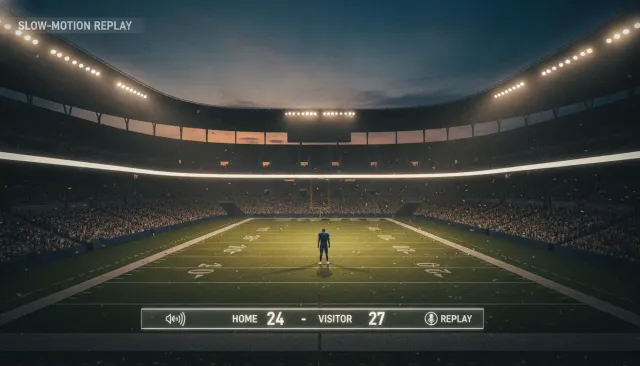
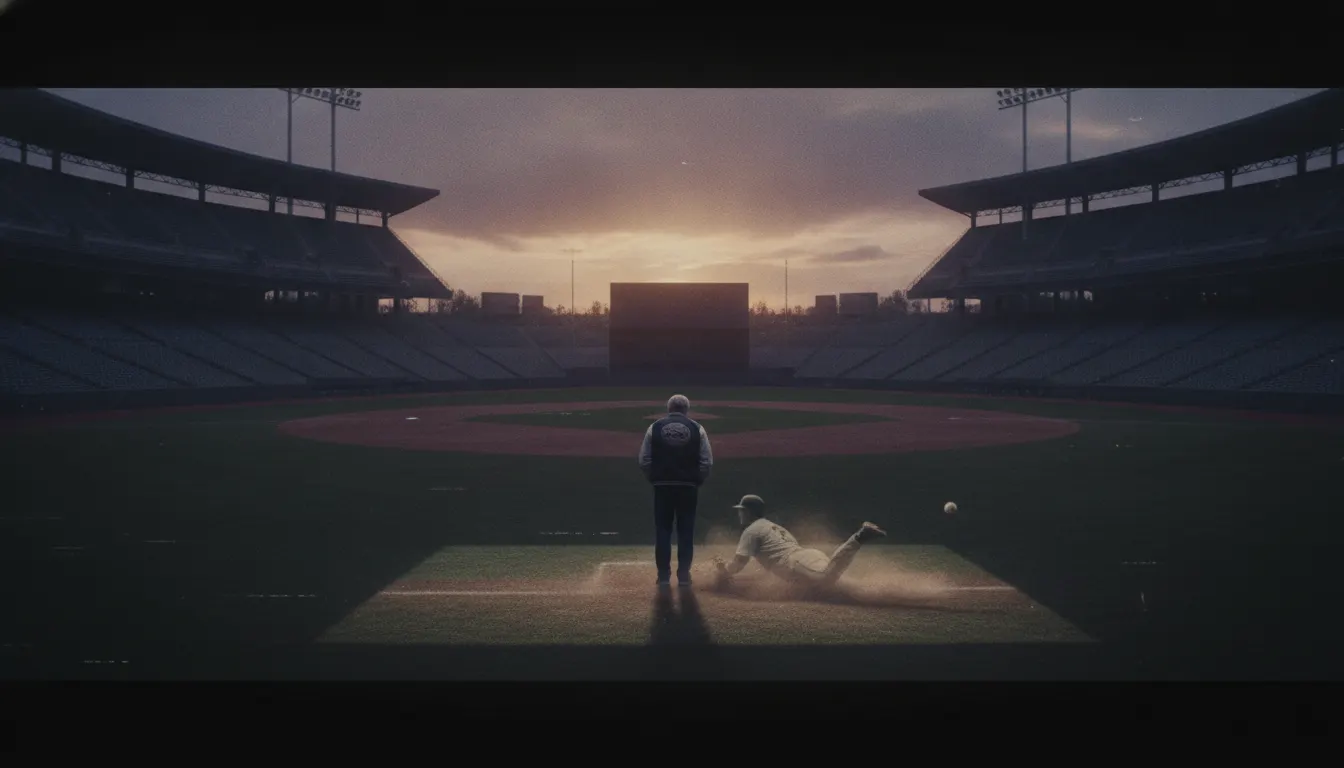
ESPN 30 for 30 sports documentary. Archival broadcast tape mixed with modern interviews, slow-mo iconic-moment replay, nostalgic narration.
The moves a human crew would use to get here. Cue applies them for you, and knowing their names is how you ask for a change.
Primary structural technique: archival footage and contemporary interview alternate to build temporal perspective.
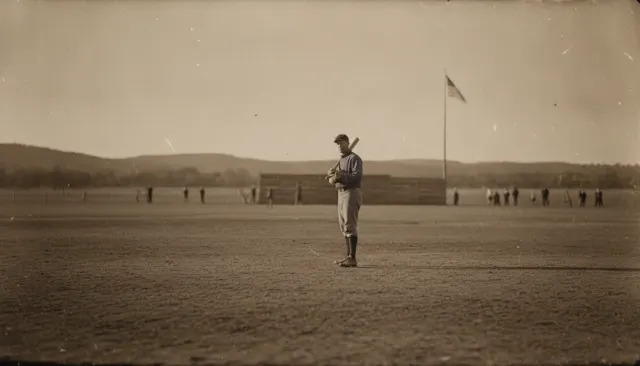
Historical footage is not digitally cleaned; grain, interlace, and colour shifts are preserved as authenticity markers.
Contemporary interview subjects are placed in locations that contextualise them - gyms, homes, offices - rather than neutral backdrops.
Documentary architecture builds toward revelatory information or emotional climax using controlled information release.
Original music scores, often composed specifically, work against the archival footage to produce contemporary emotional resonance.
The genre convention explicitly avoids dramatic reenactment; archival authenticity is the value system.
ESPN's 30 for 30 franchise, launched in 2009 to celebrate ESPN's 30th anniversary with 30 films by 30 prominent directors, effectively invented the prestige sports documentary as a genre and established its visual grammar: archival footage as primary material, contemporary interview talking heads in clean environments, and a filmmaker sensibility that treats sports stories as legitimate subjects for serious documentary investigation rather than fan hagiography.
The founding concept was radical for sports media in 2009: invite directors outside the typical sports production world - Barry Jenkins (Of Ghosts and Teeth, 2009), Steve James (No Crossover, 2010), John Singleton (Four Days in October, 2010), Peter Berg (Two Escobars, 2010) - to make films about sports stories they personally wanted to tell. The mandate was filmmaker-first, story-second; the ESPN brand was secondary to the auteur's vision.
The result established a template: archival sports broadcast footage, carefully selected and often previously unseen; contemporary interviews with principal figures, shot in environments that contextualise the subject (a current coach in a gym, a retired player at home); analytical narration; and an editing approach that builds toward revelatory climaxes as in conventional feature documentary.
The 30 for 30 visual grammar is built on the interplay between two fundamentally different image qualities: archival footage, which may range from 1970s 16mm grain to 1990s broadcast standard definition, and contemporary interviews, which are typically shot in high-definition with quality cinematography. This contrast is productive rather than problematic - the visual distance between past and present reinforces the temporal and emotional gap the film is navigating.
Archival footage is treated with respect: it is not colourised, frame-rate-normalised, or cleaned up beyond what is necessary for legibility. Grain, colour shifts, and interlace artefacts of broadcast video are preserved as markers of historical authenticity. Contemporary talking heads are usually shot with warm, soft lighting - a neutral but emotionally accessible quality that facilitates confession and reflection.
The success of 30 for 30 directly influenced Netflix's sports documentary wave: Icarus (2017), The Last Dance (2020), Tiger King (adjacent), Drive to Survive (2019-present), and Make or Miss (2023). The prestige sports documentary is now one of streaming's reliable content categories, and the 30 for 30 grammar is its template.
Jeff Zimbalist / Michael Zimbalist · 2010
Colombian football and Pablo Escobar; archival rarity and investigative depth
John Dorsey · 2011
Sports parenting and athletic pressure; intimate contemporary interview
Ezra Edelman · 2016
7.5-hour Oscar-winning expansion of the format; archival depth at feature-length scale
Jason Hehir / Netflix / ESPN Films · 2020
Michael Jordan and the 1997-98 Bulls; 10 episodes; definitive modern prestige sports doc
Gary Waksman · 2010
2004 ALCS; Red Sox comeback; the 30 for 30 format at its most immediately emotive
Rory Karpf · 2015
Sports villain mythology; talking head and archival intercut for cultural interrogation
A Look is not a filter. It is a set of stored decisions the pipeline reads before it makes a single frame, so two videos in the same Look actually match.