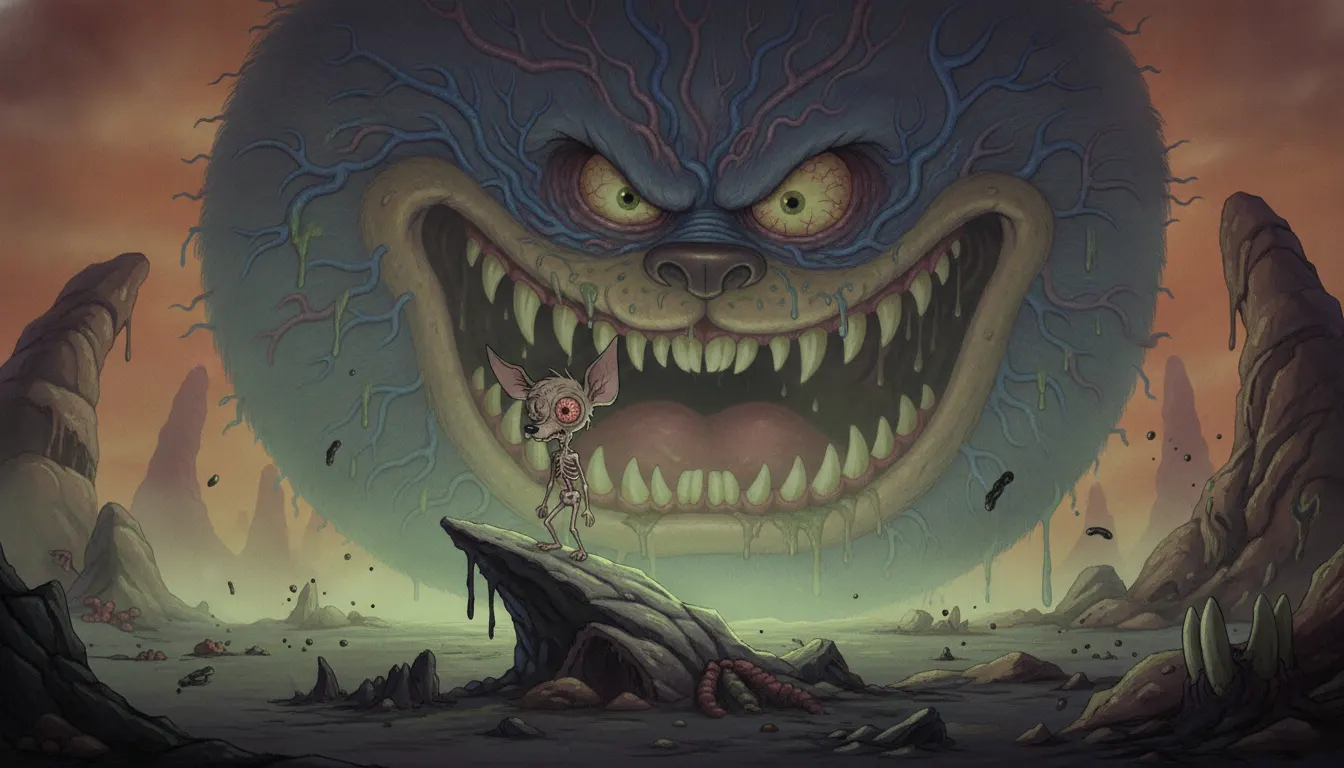
The Ren and Stimpy Show (Season 1)
John Kricfalusi / Spümcø · 1991
Original season establishing the grotesque aesthetic - 'Big House Blues', 'Stimpy's Big Day'
John Kricfalusi Spumco grotesque Nicktoons. Bulging vein-pop close-ups on a chihuahua and a cat, gross-out painted detail bursts, hyper-saturated 90s palette.
The moves a human crew would use to get here. Cue applies them for you, and knowing their names is how you ask for a change.
Hyper-detailed anatomical close-ups of skin pores, teeth, gums, nasal passages - switching from clean model to extreme render in a single cut
Characters hold peak grotesque expressions for abnormally long durations (3-6 seconds), maximizing discomfort and comedic unease
Bodies compress and elongate far beyond Disney's naturalistic squash-stretch, achieving full physical impossibility at peak moments
Richly detailed background art with visible texture, grime, and environmental specificity contrasting with the flatter character designs
Mouths stretching to encompass the entire face, revealing detailed teeth, tongue, and throat in screaming or ecstatic expressions
Consistent character models deliberately broken when emotion peaks - Ren's eyes leaving their sockets, Stimpy's body morphing beyond anatomical possibility
The Ren and Stimpy Show premiered on Nickelodeon in August 1991, created and directed by John Kricfalusi (known as John K.) through his studio Spümcø. The show ran through 1996 (with John K. fired by Nickelodeon in 1992, after which Games Animation continued the series under different directors). The original John K. episodes - primarily Seasons 1-2 and the 1991 pilot - define the aesthetic that animation historians reference.
John K. explicitly studied and revived the sensibility of Bob Clampett's Warner Bros. cartoons from the 1940s, particularly Clampett's willingness to distort characters to extremes - what Kricfalusi called 'squash and stretch taken to its logical extreme.' Characters fluctuate between their established model and full grotesque deformation: a calm shot of Ren's chihuahua face suddenly cuts to a hyper-detailed close-up with visible teeth roots, engorged eyeballs, and individually rendered nostril hairs.
The show pioneered 'held poses' - moments where a character holds an extreme expression for 3-4 seconds longer than standard animation comfort, creating deep comedic discomfort. Background art supervisor Bob Camp developed richly textured, almost painterly backgrounds that contrasted with the character animation. The dirty, gag-inducing close-up - nasal passages, toe fungus, armpits rendered in loving anatomical detail - became the show's visual signature and a direct influence on gross-out humor in animation for decades.
John K. assembled animators who shared his obsession with classic Clampett and Tex Avery cartoons, including animator Bob Jaques and layout artist Chris Reccardi. The show deliberately rejected the clean, Xerox-line character design of Disney animation and the limited movement of Hanna-Barbera in favor of pose-to-pose extremes.
The Nickelodeon context was crucial: the network's 'Nicktoons' initiative launched simultaneously with Doug and Rugrats (Klasky-Csupo), but Ren and Stimpy was uniquely adult-coded in its references, shock humor, and visual intensity.
The show's influence on 1990s and 2000s animation is vast: Rocko's Modern Life, SpongeBob SquarePants (Hillenburg worked at Nickelodeon during Ren and Stimpy's run), Cow and Chicken, Beavis and Butt-Head (MTV, 1993) all carry its DNA. The 'gross-out close-up' is standard animation shorthand. Animation schools taught the show's approach to extreme posing and held expressions for a generation.
John Kricfalusi / Spümcø · 1991
Original season establishing the grotesque aesthetic - 'Big House Blues', 'Stimpy's Big Day'
John Kricfalusi / Spümcø · 1992
Often cited as the show's masterpiece - extreme psychological horror-comedy animation
John Kricfalusi / Spümcø (Spike TV) · 2003
Uncensored return pushing the grotesque aesthetic to adult cable extremes
Joe Murray / Nickelodeon · 1993
Direct aesthetic descendant applying grotesque exaggeration to suburban satire
David Feiss / Cartoon Network · 1997
Carries the thick-line grotesque character tradition into the CN era
McPig (indie game) · 2023
Video game explicitly citing Ren and Stimpy as core aesthetic reference for frenetic rubber-hose grotesque
Mike Judge / MTV · 1993
Grotesque deformation and held expressions applied to teenage slacker comedy
A Look is not a filter. It is a set of stored decisions the pipeline reads before it makes a single frame, so two videos in the same Look actually match.
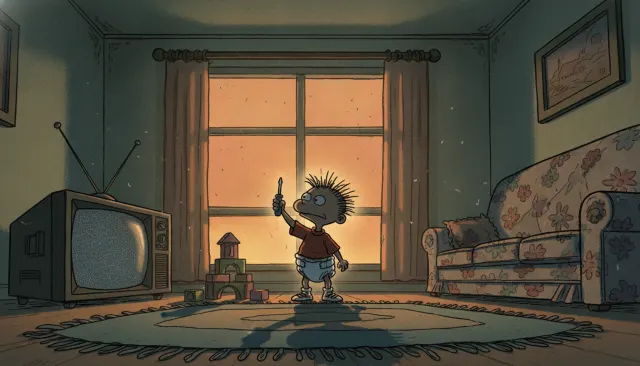 Cn 90S RevivalKlasky Csupo Rugrats
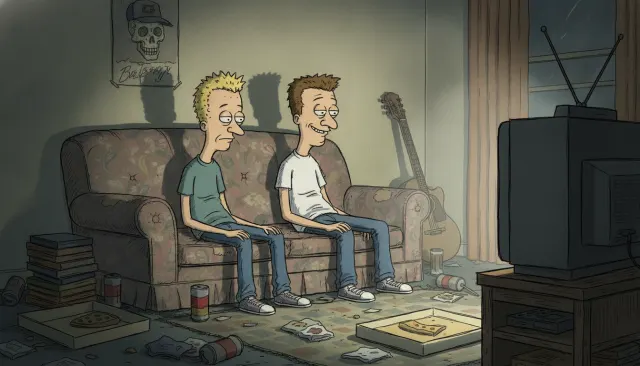 Adult Primetime ExpansionBeavis and Butt-Head MTV 90s
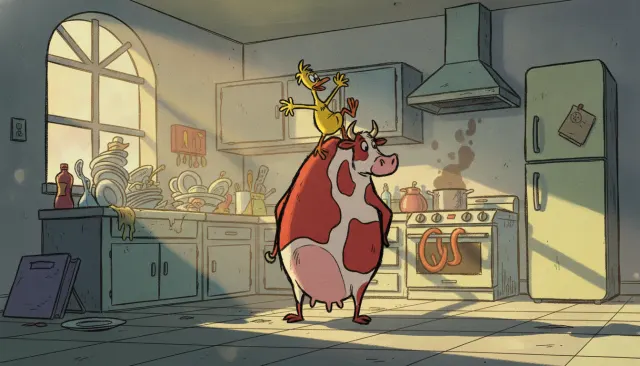 Kids Cn Comedy ClassicCow and Chicken David Feiss Thick Line
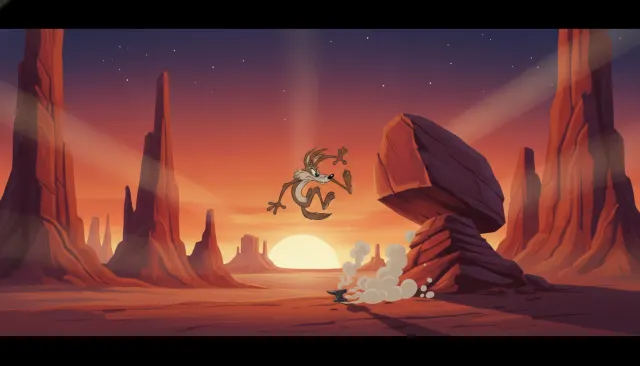 Classic Western CelLooney Tunes Tex Avery
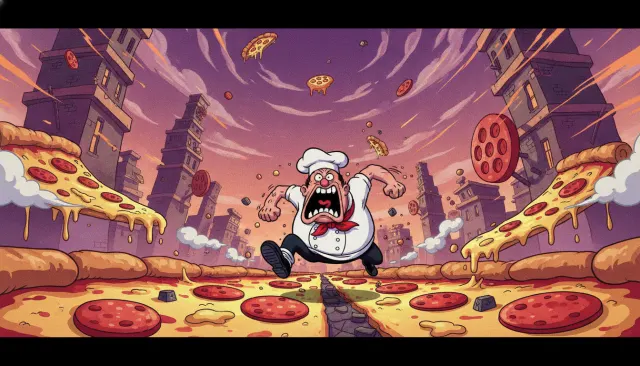 Indie ModernPizza Tower Rubber-Hose Frenetic
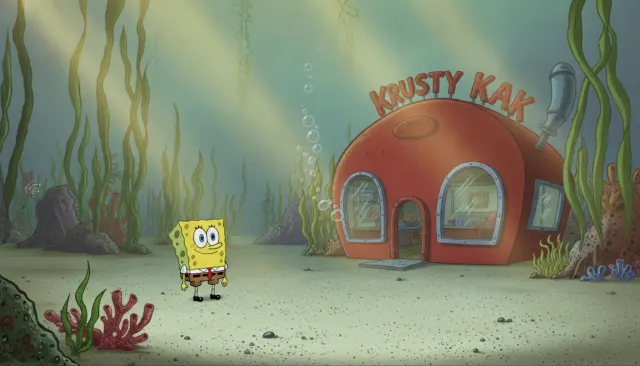 Kids Cn Comedy ClassicSpongeBob SquarePants Hillenburg Sea
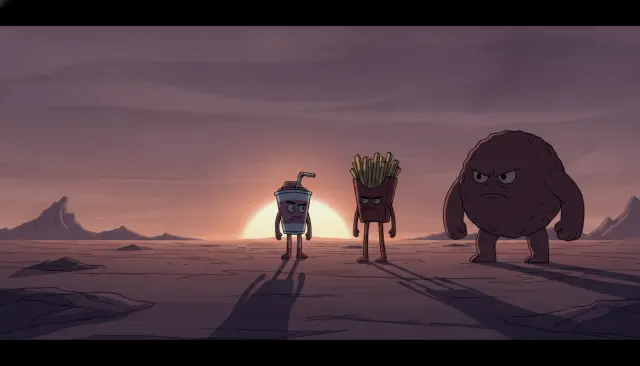 Adult Shorts AnthologyAqua Teen Hunger Force Cheap Flash