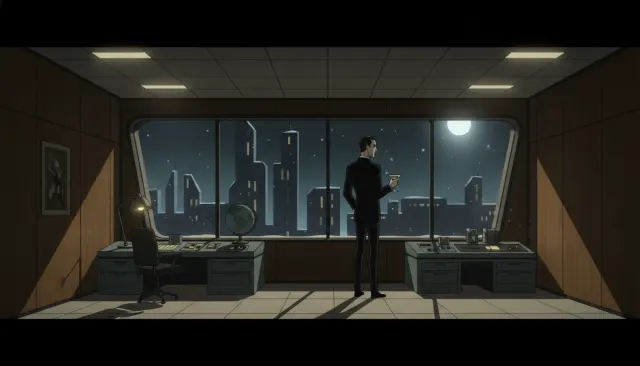
Beavis and Butt-Head
Mike Judge / MTV · 1993
The canonical work; defined the crude hand-drawn MTV teen animation aesthetic
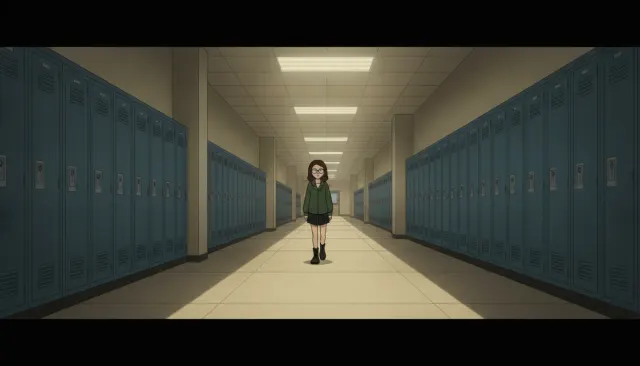
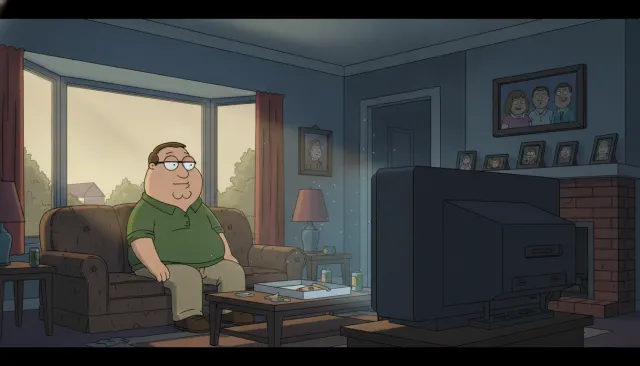
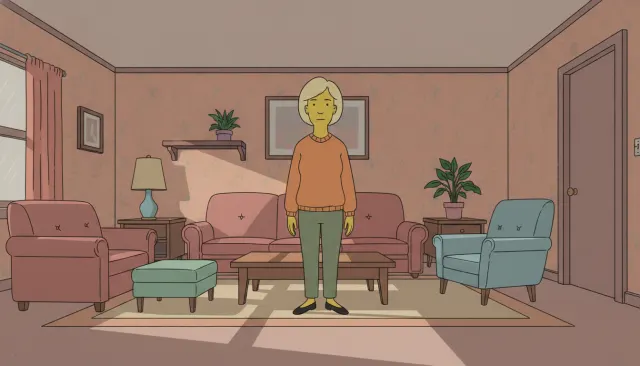
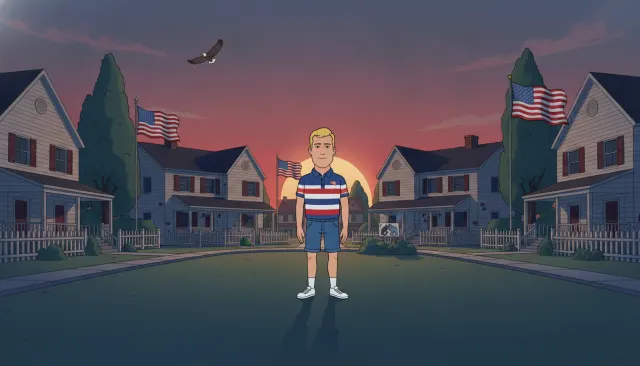
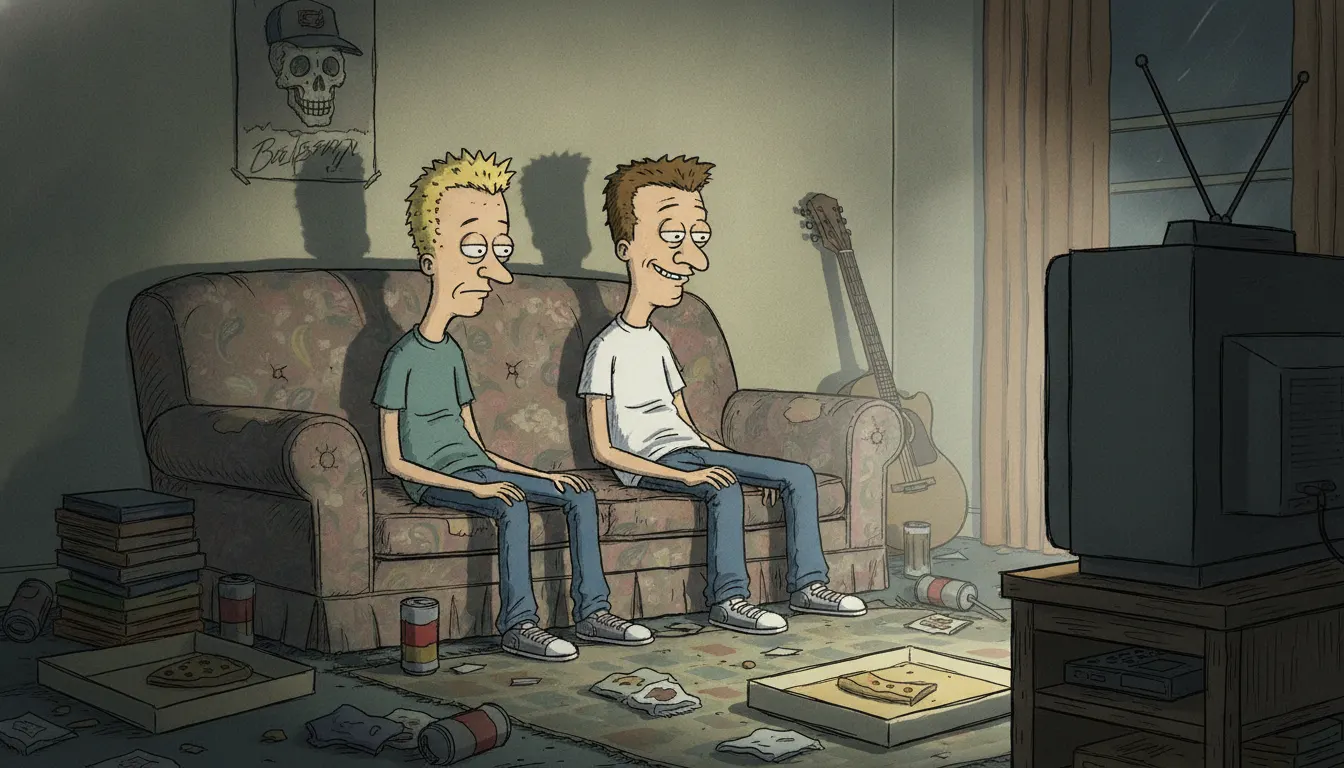
Mike Judge crude line MTV 90s slacker animation. Hand-drawn squiggle teenage metalheads on a beat-up couch, music video cutaway palette.
The moves a human crew would use to get here. Cue applies them for you, and knowing their names is how you ask for a change.
Lines are shaky and inconsistent in a way that reflects one person drawing quickly, rather than a polished studio pipeline.
Character forms are reduced to a few identifying marks -- jawline, teeth, t-shirt -- with virtually no anatomical precision.
Character fills use flat color that doesn't always stay within outlines, reflecting the hand-drawn, non-digital production.
Much of the show is staged as two characters sitting on a couch, minimizing the need for complex animation.
Characters cycle through a small set of expressions -- slack-jawed, snickering, confused -- reused across thousands of scenes.
Highland, the fictional setting, is rendered with the minimum detail needed to establish location.
Beavis and Butt-Head premiered on MTV on March 8, 1993, created by Mike Judge, who had submitted a short film called 'Frog Baseball' to Spike and Mike's Sick and Twisted Festival of Animation in 1992. MTV's Judy McGrath recognized the cultural provocation potential and greenlit a series. The original run lasted through November 28, 1997, with a revival on MTV2 in 2011 and a Paramount+ reboot in 2022.
Mike Judge drew the original Beavis and Butt-Head animation himself, and the style reflects the hand of a single artist working rapidly rather than a professional animation studio. This is the defining quality of the aesthetic: the sense that one person, not entirely trained in classical animation, is drawing these characters as fast as possible.
The character designs are minimal to the point of being anti-designs. Butt-Head has a large, forward-protruding jaw with enormous buckteeth. Beavis has a pointed head and a perpetually nervous squint. Both wear the same clothes in every episode -- a Metallica t-shirt for Beavis, an AC/DC shirt for Butt-Head (later changed to generic heavy metal logos for syndication rights reasons). Their world is rendered in flat, shaky lines with inconsistent proportions.
The show was produced at MTV's in-house animation department and later through Judge's own production company. The animation was genuinely cheap -- limited character movement, recycled expressions, and static backgrounds that function as minimally decorated staging areas rather than environments with visual identity.
Unlike Adult Swim's later 'ugly on purpose' aesthetic (ATHF, 2000), the Beavis crude look was not a calculated anti-aesthetic but the natural result of a single creator's hand working within MTV's budget constraints. This authenticity -- the sense that a teenager could have drawn this -- was part of the show's cultural resonance with its teenage audience.
MTV in 1993 was at the peak of its cultural dominance. Beavis and Butt-Head served multiple functions: it filled programming hours cheaply, it functioned as music video criticism (the characters watched and commented on MTV's own content), and it gave MTV a cultural edge credibility with suburban teenage males who saw themselves in these characters.
The show was subject to significant moral panic. Senator Fritz Hollings cited it by name in 1993 Senate hearings on television violence. MTV added a disclaimer warning viewers not to attempt what they saw onscreen. This controversy made the show enormously successful: the 1996 theatrical film Beavis and Butt-Head Do America grossed $63 million against a $12 million budget.
Beavis and Butt-Head, along with The Simpsons (1989) and South Park (1997), established that crude-but-provocative animation could be a viable commercial and cultural force. The aesthetic influenced Jackass (2000), Napoleon Dynamite (2004, Mike Judge's Idiocracy circle), and the entire lineage of 'loser white kid' comedy content that runs through YouTube through the 2010s.
Mike Judge / MTV · 1993
The canonical work; defined the crude hand-drawn MTV teen animation aesthetic
Mike Judge / Paramount · 1996
Theatrical feature that maintained the TV aesthetic while expanding scope and budget slightly
Mike Judge, Greg Daniels / Fox · 1997
Judge's follow-up; evolved the crude Texan-suburban humor into a more refined visual system
Glenn Eichler, Susie Lewis Lynn / MTV · 1997
Direct spinoff from the Beavis universe that applied the aesthetic to feminist social satire
Mike Judge / Paramount+ · 2022
Reboot that preserved the original aesthetic while adding Gen Z social commentary
Mike Judge · 2006
Live-action film in the Beavis ideological universe; the crude-male-id aesthetic in cinematic form
A Look is not a filter. It is a set of stored decisions the pipeline reads before it makes a single frame, so two videos in the same Look actually match.