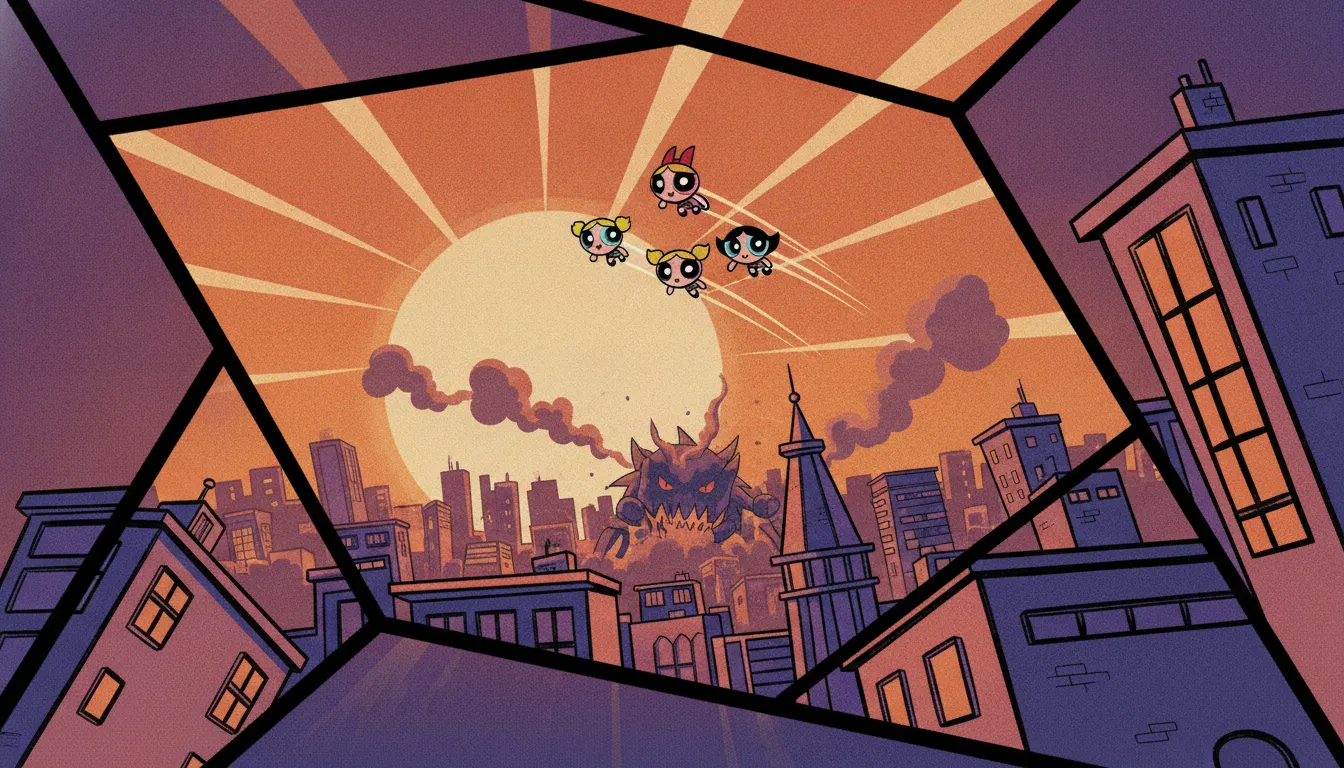
The Powerpuff Girls
Craig McCracken / Cartoon Network Studios · 1998
Original series defining the aesthetic - Season 1-6, 1998-2005
Craig McCracken Powerpuff Girls vivid action-geometric Cartoon Network 90s. Big-eye Townsville superheroes, candy palette, halftone action panels.
The moves a human crew would use to get here. Cue applies them for you, and knowing their names is how you ask for a change.
Bodies built entirely from circles, ovals, and simple cylinders with no naturalistic anatomical detail - limbs are tubes, heads are spheres
Expressionless, pure-black circular eyes that convey emotion only through brow position and slight shape deformation, giving an eerie adorableness
All surfaces filled with single, unmixed colors - no shading, no lighting, no ambient occlusion - creating bold graphic poster quality
Action hits rendered as geometric starburst shapes with flat color fills, borrowing directly from Silver Age comic book visual language
Radial speed lines on flat colored backgrounds during flight sequences, erasing environment detail in favor of pure motion energy
RGB channel separation effect during high-energy hits, giving a screen-printing misregistration quality to combat moments
Mouths are simple lines or small shapes - emotion is carried by eye brow positioning and body posture rather than facial muscle simulation
Created by Craig McCracken and produced by Cartoon Network Studios, The Powerpuff Girls debuted as Whoopass Stew! (a 1992 CalArts student film) before becoming one of the defining animated series of the late 1990s and early 2000s. The official series premiered on Cartoon Network in November 1998 and ran through 2005, producing 78 episodes across six seasons.
McCracken's design language is deceptively simple: characters built from pure geometric shapes - circles for the girls' eyes (enormous, expressionless black ovals), cylinders for their bodies, minimal lines for mouths. This approach descends from UPA modernism but strips it further, achieving a radical flatness where characters cast no shadows on themselves. The color palette is iconic - Blossom's pink, Bubbles' blue, Buttercup's green - applied in flat fills with no gradients.
Townsville itself uses a minimal line-and-fill aesthetic for architectural elements, with wide open negative space. Action sequences break the geometry into speed lines, impact starburst shapes, and chromatic aberration-style color splitting during combat. The show borrowed visual energy from both classic Hanna-Barbera violence and 1960s comic book pop art.
The show arrived amid Cartoon Network's creative explosion alongside Dexter's Laboratory (also McCracken, as art director), Johnny Bravo, and Cow and Chicken. McCracken's style directly influenced a generation of CN artists. The retro-modernist flatness was a conscious aesthetic choice - not budget limitation - a reaction against the heavy outlines of Batman: The Animated Series era prestige animation.
Pop art and Roy Lichtenstein's comic-book appropriations inform the halftone-adjacent energy, while the superhero genre parody draws from Silver Age DC Comics. Background artist Tom Yasumi developed the show's distinctive Townsville cityscape.
The 2016 Cartoon Network reboot updated the style with slightly rounder forms and contemporary digital coloring while keeping McCracken's geometric spirit. Merchandise, fan art, and internet culture have kept the original 1998-2005 aesthetic continuously referenced. The show's look appears in album art, streetwear, and social media content daily. The minimalism that made the show producible also makes it endlessly replicable by artists working without major studio resources.
Craig McCracken / Cartoon Network Studios · 1998
Original series defining the aesthetic - Season 1-6, 1998-2005
Craig McCracken (CalArts student film) · 1992
Origin short establishing the geometric character design vocabulary
Craig McCracken · 2002
Theatrical feature expanding the Townsville origin story with the same flat visual language
Craig McCracken · 2004
McCracken's follow-up series applying similar flat-geometric principles to a warmer, imaginative premise
Genndy Tartakovsky (McCracken as art director) · 1996
Sister show sharing the CN flat-design aesthetic wave
Cartoon Network Studios · 2016
Updated version with slightly rounder forms and contemporary digital palette
Lauren Faust · 2019
Spiritual successor using similar flat-geometric superhero girl aesthetic
Ian Jones-Quartey (former PPG crew) · 2017
Direct creative descendant from PPG crew, extending flat geometric superhero aesthetic
A Look is not a filter. It is a set of stored decisions the pipeline reads before it makes a single frame, so two videos in the same Look actually match.
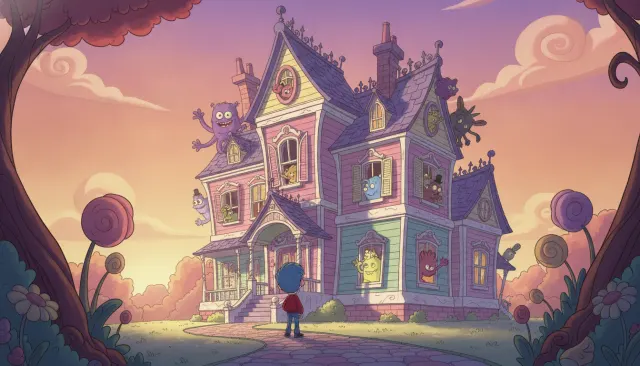 Kids Cn Comedy ClassicFoster's Home Craig McCracken Pastel
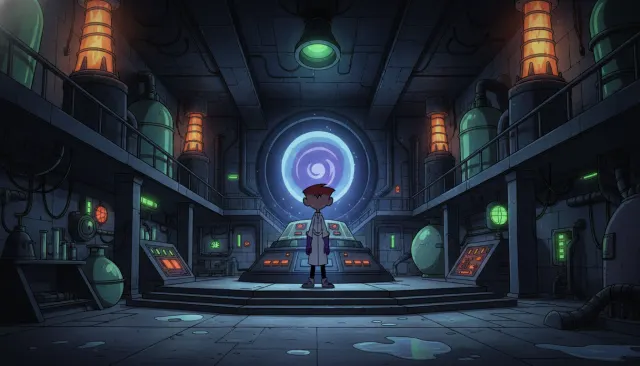 Cn 90S RevivalDexter's Lab Tartakovsky
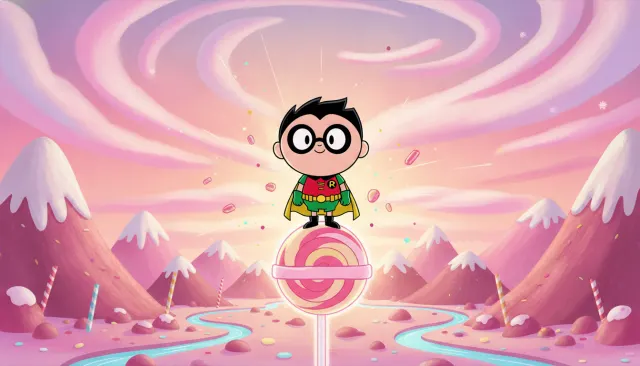 Kids Cn Action ClassicTeen Titans Go Modern Flat
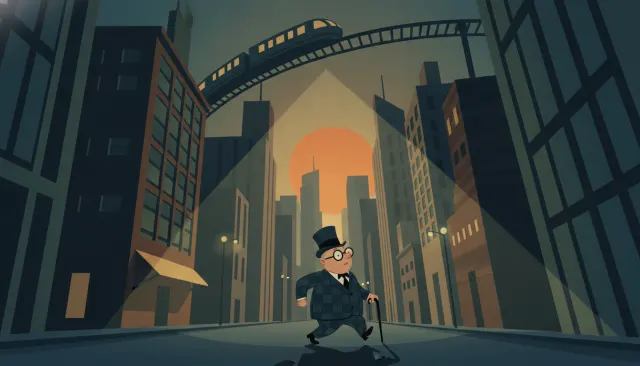 Classic Western CelUPA Modernist Mid-Century
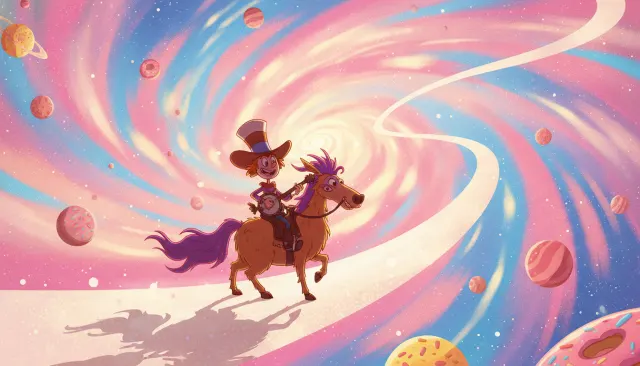 Kids Disney Channel ModernWander Over Yonder Craig McCracken
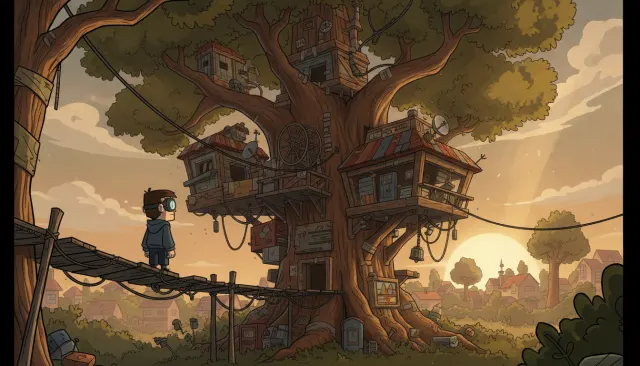 Kids Cn Comedy ClassicCodename Kids Next Door Blocky
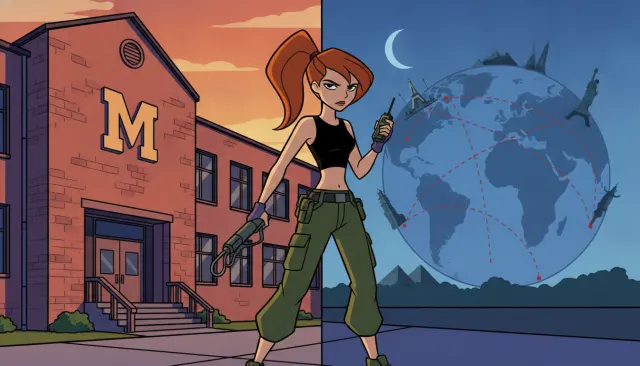 Kids Disney Channel ModernKim Possible Flat Spy
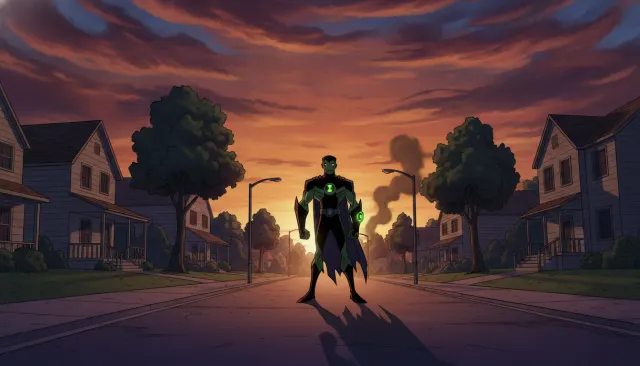 Kids Cn Action ClassicBen 10 Classic McGrath Line