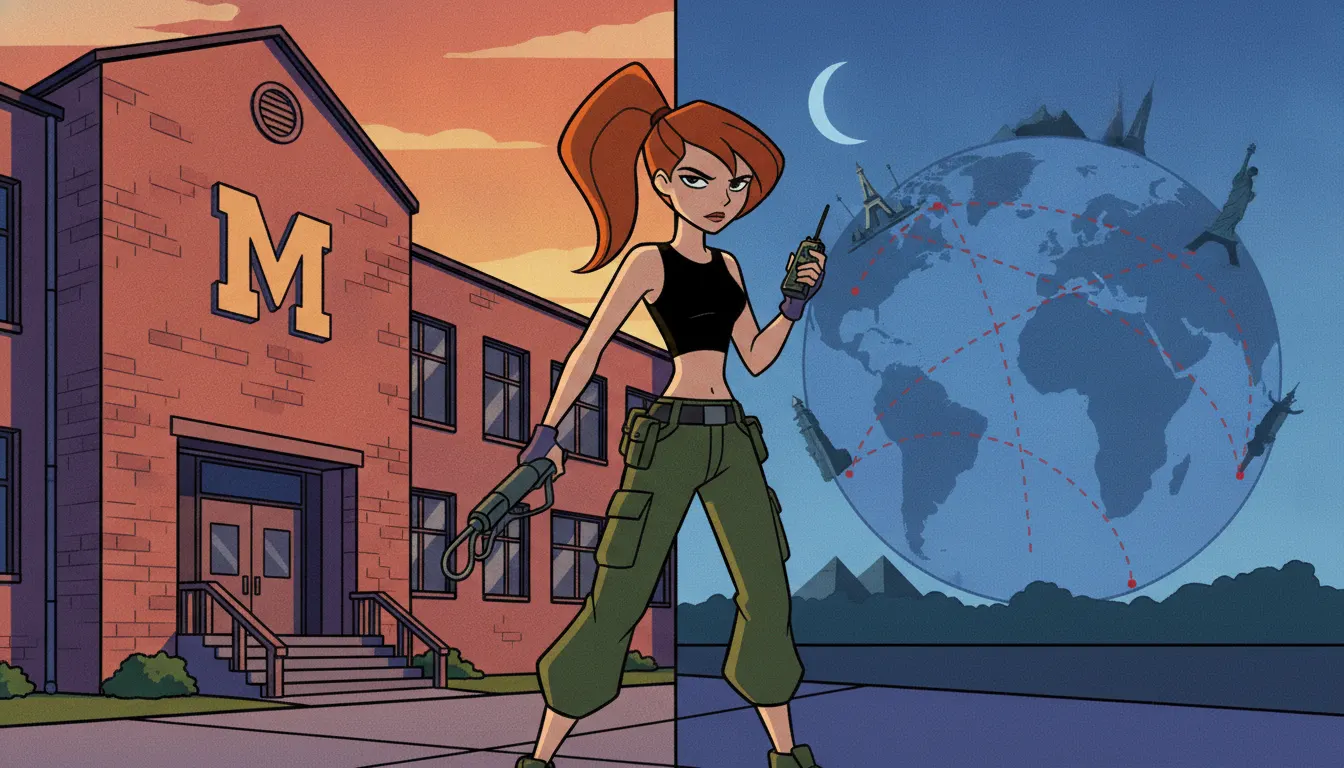
Kim Possible
Bob Schooley & Mark McCorkle · 2002
Disney Channel action-spy series; flat vector aesthetics, manga-influenced female lead
Bob Schooley and Mark McCorkle Disney Channel teen-spy action. Middleton High exteriors plus globe-trotting mission palette, flat clean Western action line.
The moves a human crew would use to get here. Cue applies them for you, and knowing their names is how you ask for a change.
Kim's design emphasizes lean athleticism and physical competence - unusual for 2002 children's animation; long limbs and simplified but present muscle definition.
Consistent-weight ink outlines with minimal variation creating a crisp vector quality - one of the cleaner digital animation looks of early 2000s Disney Channel.
Character fills use one to two levels of highlight shading, suggesting three-dimensional form without abandoning flat animation production efficiency.
Distinct color systems for suburban life (warm domestic), tech facilities (cool teal/gray), jungle missions (earth tones), and villain lairs (purple/dark red).
Large expressive eyes with multiple highlight layers and detailed iris coloring, referencing the manga-to-western-animation translation current in early 2000s TV production.
Fight choreography animated with longer, more fluid arcs than typical TV budget animation - referenced real martial arts technique with input from choreography consultants.
Background environments defined by strong architectural silhouettes and simplified geometry rather than detailed photo-referenced painting.
Kim Possible is an animated television series that aired on Disney Channel from June 7, 2002 to September 7, 2007 (four seasons plus two TV movies). Created by Bob Schooley and Mark McCorkle, the show follows high school student Kim Possible, who moonlights as a global spy and action hero. Its visual style represents a specific synthesis of action-spy aesthetics, manga-influenced character design, and flat digital animation techniques that defined a generation of Disney Channel animation.
Kim Possible's character design is notable for its combination of manga-influenced features with American action-animation proportions. Kim herself has an unusually athletic female protagonist design for early 2000s animation: tall, lean, with large expressive eyes and simplified but readable muscle definition. The design team deliberately avoided the ultra-stylized proportions of older Disney female characters in favor of a character who read as physically capable.
The art style uses clean, consistent ink outlines with minimal weight variation - a flat vector quality that made the show one of the cleaner-looking Disney Channel productions of its era. Character fills use cel shading with one to two highlight levels, giving figures a slightly three-dimensional quality without abandoning the flat animation aesthetic.
The show's global spy premise allowed the art department to design a wider range of environments than most children's animation: jungle temples, arctic bases, underwater facilities, European city rooftops, and suburban Middleton, Colorado. This variety was unified by a consistent graphic treatment: environments use bold architectural silhouettes and simplified background geometry rather than photo-referenced realism.
Action choreography was animated with unusual fluency for a TV budget: Kim's fighting style referenced real martial arts techniques (the show consulted with martial artists) and was animated with longer action arcs than typical Saturday morning TV. Producer Steve Loter's fight direction is central to the show's identity.
The color palette separates contexts clearly: Middleton suburban life uses warm, domestic tones (greens, yellows, suburban blues); mission environments use cool teals and grays for tech facilities, warm earth tones for jungle settings; villain lairs use purples, deep reds, and industrial grays. This context-driven palette makes transitions between slice-of-life and action sequences visually immediate.
Kim Possible emerged during a period when manga-influenced character design was being absorbed into American animation ('anime-influenced western' aesthetic). The show's female action protagonist template influenced subsequent Disney Channel animation and contributed to the broader trend of competent, physically capable female leads in children's television. A live-action Disney Channel movie adaptation aired in 2019.
Bob Schooley & Mark McCorkle · 2002
Disney Channel action-spy series; flat vector aesthetics, manga-influenced female lead
Steve Loter · 2003
TV movie with expanded scope and action set pieces
Steve Loter · 2005
Series finale TV movie; highest-production action sequences of the run
Glen Murakami & Sam Register · 2003
Cartoon Network contemporary using more extreme manga-influenced western animation aesthetic
Vincent Chalvon-Demersay · 2001
French-Canadian contemporary spy-action girls animation sharing similar aesthetic approach
Brad Bird · 2004
Pixar peer exploring spy-action family aesthetics from 3D perspective in same period
A Look is not a filter. It is a set of stored decisions the pipeline reads before it makes a single frame, so two videos in the same Look actually match.
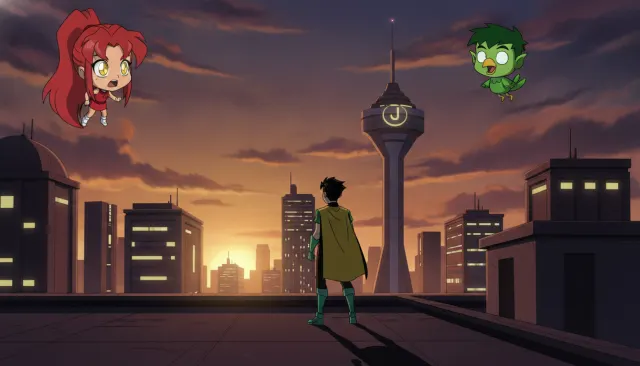 Kids Cn Action ClassicTeen Titans Original Anime-Influenced
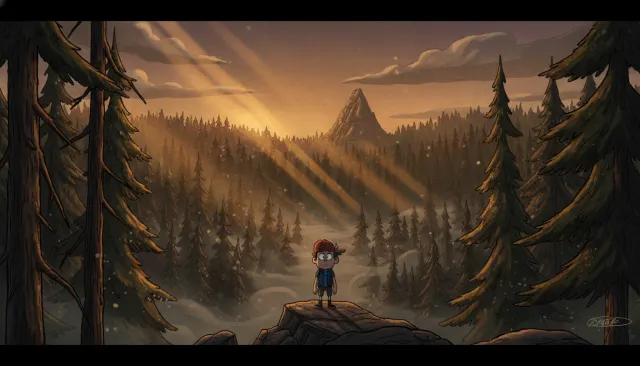 Cn Modern PastelGravity Falls Mystery Line
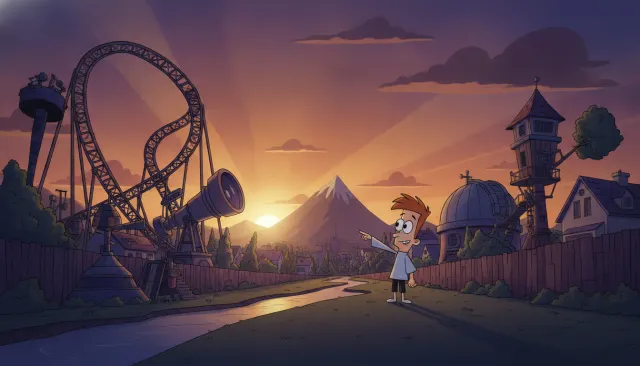 Kids Disney Channel ModernPhineas and Ferb Stylized Suburban
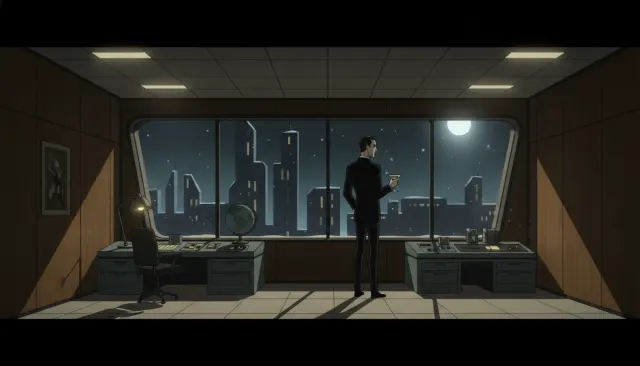 Adult Primetime ExpansionArcher Flat Retro Cold War
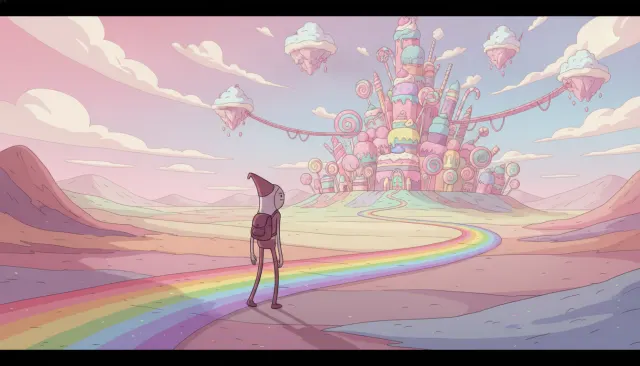 Cn Modern PastelAdventure Time Pastel
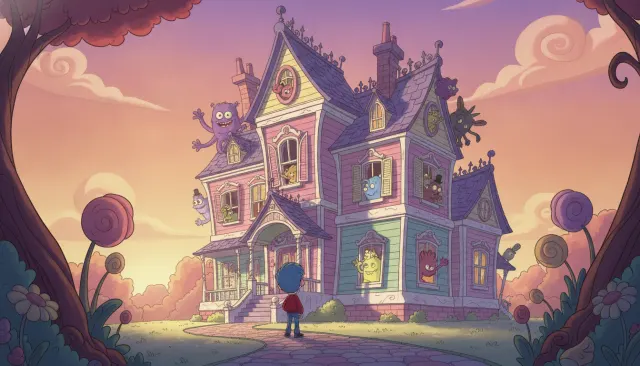 Kids Cn Comedy ClassicFoster's Home Craig McCracken Pastel