Adventure Time
Pendleton Ward / Cartoon Network · 2010
The founding work; defined the pastel-watercolor-background + flat-character aesthetic
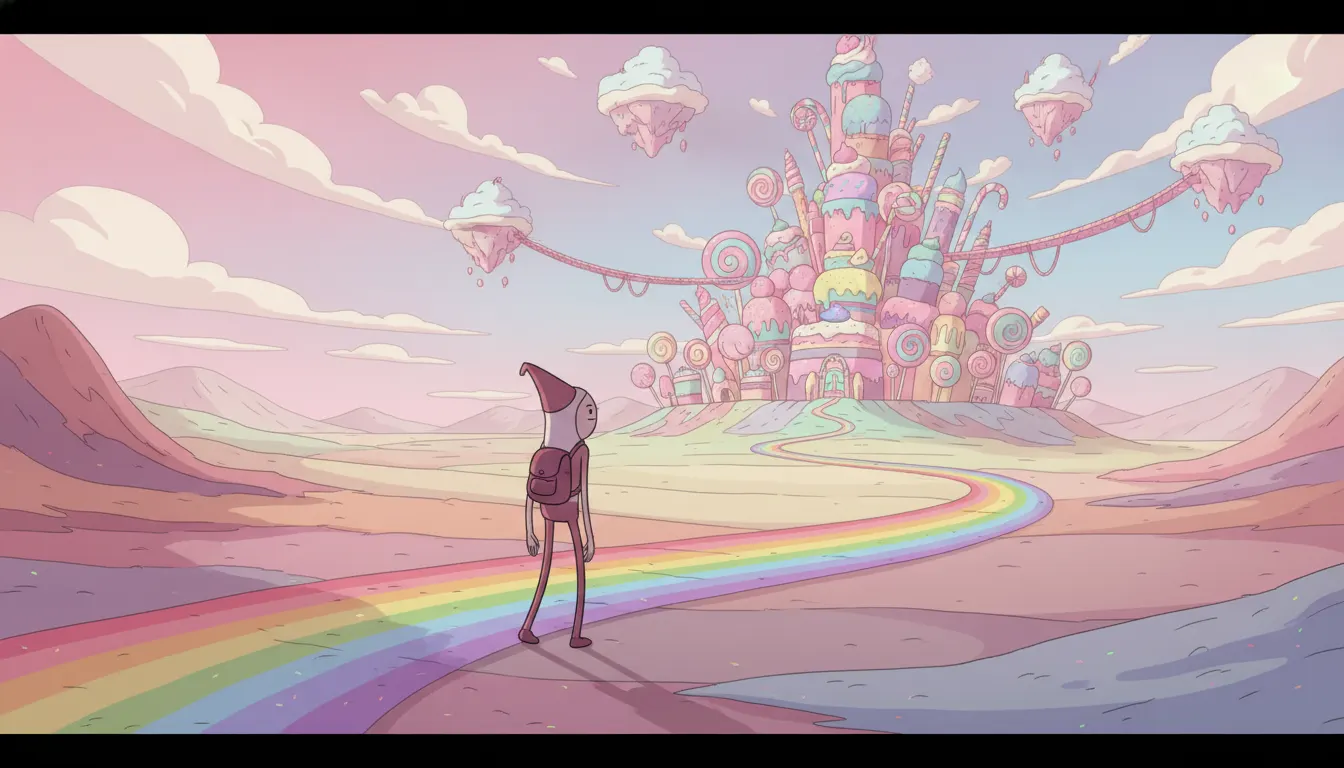
Pendleton Ward rubber-hose Candy Kingdom dreamscape. Pink-bubblegum architecture, noodle-limb heroes, post-apocalyptic Land of Ooo whimsy.
The moves a human crew would use to get here. Cue applies them for you, and knowing their names is how you ask for a change.
Environments use loose, impressionistic watercolor washes in muted pastels, sharply contrasting with flat foreground characters.
Protagonist designs use thick black outlines, simplified anatomy, and fully flat color fills with minimal shading.
Dusty pinks, lavender blues, sage greens, and warm yellows dominate -- avoiding pure primaries for a dreamy, faded quality.
Mountains, trees, hills, and architectural elements use soft, rounded silhouettes that echo the character designs.
Background details embed narrative depth -- crumbled human cities beneath candy kingdoms signal post-apocalyptic lore.
Scenes shift to bold monochromatic color fills to convey emotional states, a technique borrowed from UPA-era cartoons.
Adventure Time premiered on Cartoon Network on April 5, 2010, originally based on a 2007 short film created by Pendleton Ward for the Frederator Studios Random! Cartoons anthology. Ward served as showrunner through Season 5, with the series running until September 3, 2018 -- a defining decade-long run that reshaped animation aesthetics globally.
The show's signature look is defined by its deceptively simple character designs combined with extraordinarily lush, hand-painted background art. Character illustrator Phil Rynda established the flat, graphic foreground characters -- thick outlines, simplified anatomy, rounded forms -- while background painters like Nick Jennings (art director) developed the rich watercolor-style environments of the Land of Ooo.
Background artist Nick Jennings brought a painterly, impressionistic quality to Ooo's landscapes. Grass hills, candy mountains, and ruined cityscapes are rendered with soft color washes, gentle gradients, and loose brushwork that contrasts dynamically with the hard-edged foreground characters. This tension between flat cartoon characters and painterly environments became the show's most-imitated visual trademark.
The pastel color palette -- dusty pinks, muted greens, lavender skies, warm yellows -- was carefully chosen to evoke a post-apocalyptic fairy tale world that feels simultaneously childlike and melancholic. Adventure Time's world is literally built on the ruins of a nuclear war (the Mushroom War), and the soft pastel palette reinforces this bittersweet undertone.
Adventure Time arrived during a creative renaissance at Cartoon Network, alongside Regular Show (J.G. Quintel, 2010) and Gravity Falls (Alex Hirsch, 2012) at Disney. Together these shows pioneered a new sensibility in children's animation: genuine emotional depth, serialized storytelling, and willingness to engage adult themes within a 'kids show' frame.
The Adventure Time style directly influenced Steven Universe (Rebecca Sugar, 2013-2020), Bee and PuppyCat (Natasha Allegri, 2013), and countless indie animations. It popularized pastel-heavy color palettes on social media platforms, particularly Tumblr, where fan art in the Adventure Time aesthetic dominated from 2010 to 2016.
The visual style evolved considerably across the show's run. Early seasons (2010-2012) maintained brighter, more saturated colors. Middle seasons grew more experimental, incorporating lore-heavy episodes with unique art styles (e.g., 'I Remember You' Season 4, the Ice King's tragic backstory). Later seasons pushed into genuine impressionism for Ooo's landscapes. The 2023 Fionna and Cake spinoff on Max updated the aesthetic with slightly more detailed character designs while maintaining the pastel palette.
The Adventure Time look has become a shorthand in motion design for 'approachable whimsy with emotional depth.' It informs the visual language of apps targeting Gen Z, indie game concept art (games like A Short Hike cite it as an influence), and children's educational content. Animation studios frequently cite Adventure Time backgrounds as reference for 'painterly background + flat character' hybrid approaches.
Pendleton Ward / Cartoon Network · 2010
The founding work; defined the pastel-watercolor-background + flat-character aesthetic
Adam Muto / Max · 2023
Spinoff that updated the visual grammar with slightly more detailed designs
Rebecca Sugar / Cartoon Network · 2013
Direct stylistic descendant, carried the soft-pastel palette into magical-girl territory
Natasha Allegri / Frederator · 2013
Web series by Adventure Time crew member; pushed the pastel aesthetic toward anime-influence
Luke Pearson / Netflix · 2018
British-Scandinavian children's series with clear Adventure Time painterly-background DNA
Patrick McHale / Cartoon Network · 2014
Miniseries by Adventure Time writer; combined the pastel sensibility with autumnal melancholy
Adam Robinson-Yu · 2019
Indie game cited Adventure Time backgrounds as direct influence for its pixel-watercolor landscapes
Owen Dennis / Cartoon Network · 2019
Adventure Time aesthetic lineage applied to serialized mystery storytelling
A Look is not a filter. It is a set of stored decisions the pipeline reads before it makes a single frame, so two videos in the same Look actually match.
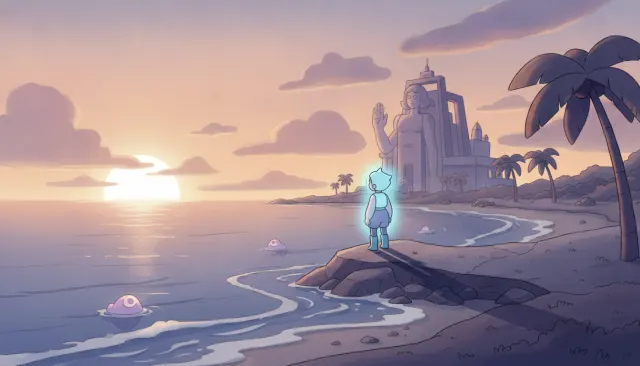 Cn Modern PastelSteven Universe Soft Magic
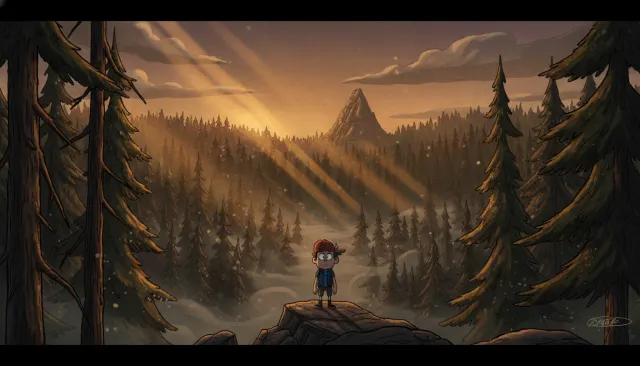 Cn Modern PastelGravity Falls Mystery Line
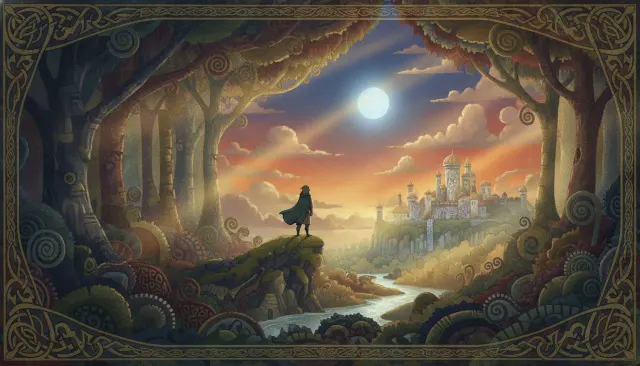 Indie Art AnimationCartoon Saloon Celtic Illuminated
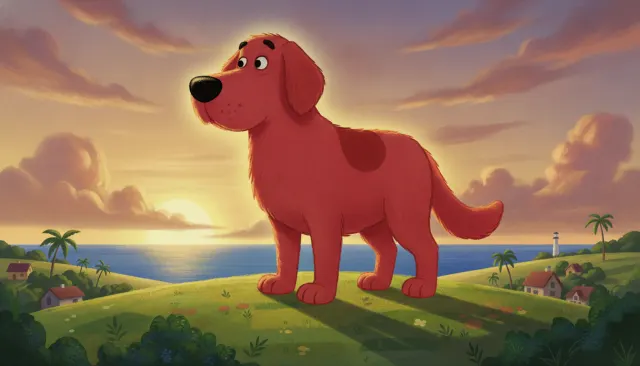 Pbs Kids EducationalClifford the Big Red Dog Painterly
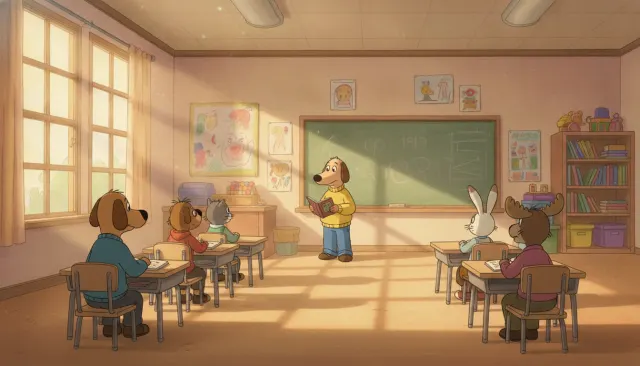 Pbs Kids EducationalArthur PBS Warm Watercolor
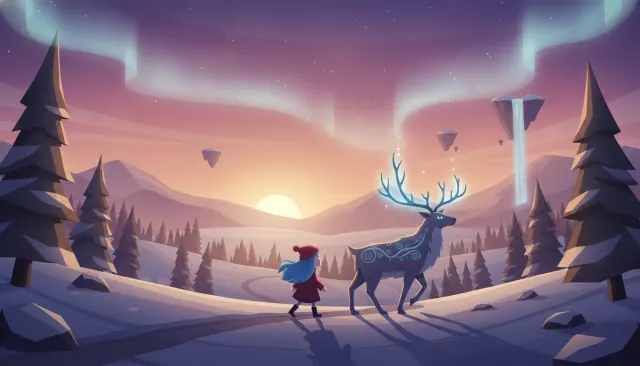 Indie 3DHilda Storybook Flat Shaded
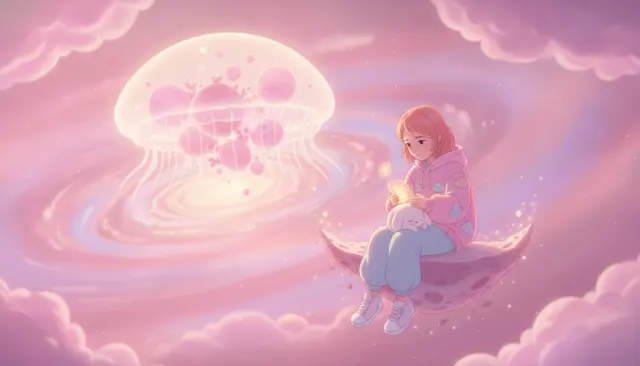 Indie 3DBee and Puppycat Soft