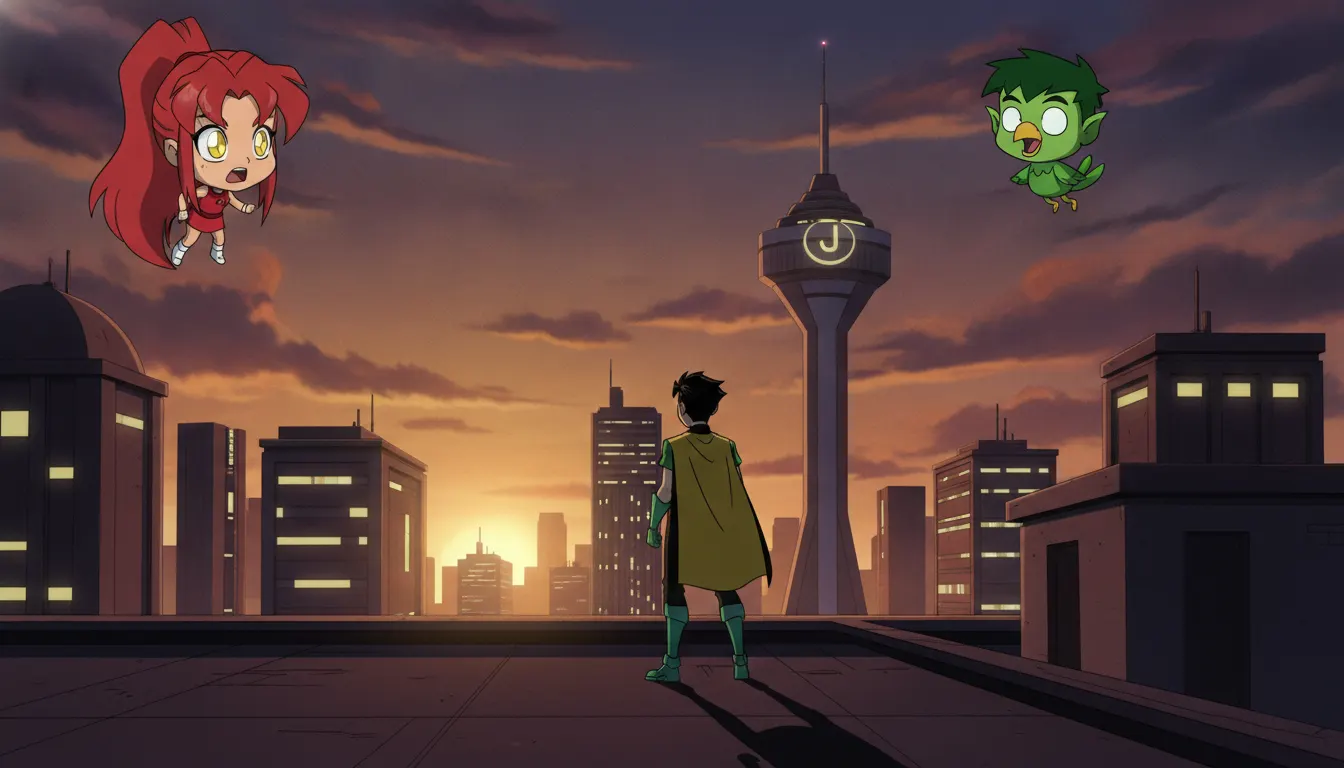
Teen Titans Season 1-5
Glen Murakami + Sam Register / Warner Bros. Animation · 2003
Original series - Season 4 'Trigon' arc as emotional dramatic peak, Season 5 'Brotherhood of Evil' as action peak
Glen Murakami Cartoon Network DC superhero team series. Anime-influenced action with chibi reaction inserts, Jump City skyline, candy-action palette.
The moves a human crew would use to get here. Cue applies them for you, and knowing their names is how you ask for a change.
Characters shrink to round, simplified super-deformed forms for comedic sequences, switching back to full dramatic design for action - a direct anime convention
Japanese sweat drop ^^; and anime reaction symbols appearing on characters as comedic emotional shorthand - pure anime vocabulary in Western superhero context
Raven's power activations and Starfire's emotional moments using anime magical-transformation visual grammar: energy auras, color field washes, transformation framing
Fast movement conveyed through radial speed lines and held pose-cuts rather than fully animated movement - anime production economy in Western superhero drama
Vivid, high-contrast character colors (Starfire orange, Raven purple) combining American superhero color coding with anime's high-saturation visual language
Original superhero city design combining American comics city architecture with anime-influenced stylization - neither Gotham nor Tokyo but a designed hybrid
Teen Titans premiered on Cartoon Network on July 19, 2003, produced by DC Entertainment and Warner Bros. Animation. Created for television by Glen Murakami and Sam Register, with Michael Chang as a key director, the series ran for five seasons through 2006. The show was directly co-produced with Japanese animation studio Mushi Productions and later Studio 4°C for select sequences, creating an unusually direct US-Japan production hybrid.
Teen Titans occupies a unique position in Western animation history: it is not merely 'anime-influenced' in the way that Avatar: The Last Airbender studied Japanese technique, but was actually in part produced with Japanese animation input. The result is a genuine East-West synthesis with specific anime visual conventions appearing alongside American superhero design.
Key anime borrowings: the sweat drop (^^;) character expression appearing on characters' foreheads; the 'super deformed' or chibi mode that characters switch into for comedic sequences - a direct J-anime convention where dramatic action characters shrink to round, simplified forms for humor; elaborate transformation sequences particularly for Starfire and Raven that echo magical girl anime; action sequence compositions with speed lines, impact frames, and energy auras.
But the base design language is American superhero comics: Robin's costume has Dick Grayson's green-domino-mask lineage, Cyborg's tech design references DC continuity, Raven's cloak honors the comics character. The synthesis creates a visual space where both traditions are recognizable but neither fully dominates.
The color palette uses higher contrast and more saturated hues than either pure American superhero animation or typical anime: Starfire's vivid orange, Raven's deep purple, Cyborg's blue-steel and flesh. Jump City is a stylized metropolis with art deco influences in its architecture, different from both DC's Gotham/Metropolis tradition and anime's Tokyo-derived cityscapes.
Action sequences use anime-influenced frame economy: held poses, speed lines, motion blur achieved through limited frames, and impact flashes. These Japanese-derived techniques coexist with the show's American action-drama story structure.
Crucially for its cultural impact, the original Teen Titans was willing to sustain genuine dramatic emotion - Season 4's 'The End' arc featuring Raven's apocalyptic destiny is full dramatic tragedy, executed with the visual seriousness that the later Teen Titans Go! abandoned. This tonal willingness to honor both comedy (the chibi sequences) and drama (Raven's arc) made the show's visual range genuinely hybrid.
Glen Murakami + Sam Register / Warner Bros. Animation · 2003
Original series - Season 4 'Trigon' arc as emotional dramatic peak, Season 5 'Brotherhood of Evil' as action peak
Michael Chang / Warner Bros. Animation · 2006
Series finale theatrical film set in Japan - a visual celebration of the show's anime influences in their source country
Michael DiMartino + Bryan Konietzko / Nickelodeon · 2005
Contemporary Western anime-influenced series taking a different approach - more studied than produced
Duane Capizzi / CN / Warner Bros. · 2004
Parallel Warner Bros. Animation project using similar anime-western synthesis for Batman
Michael DiMartino + Bryan Konietzko · 2012
Later development in the Western anime-influenced superhero action tradition
A Look is not a filter. It is a set of stored decisions the pipeline reads before it makes a single frame, so two videos in the same Look actually match.
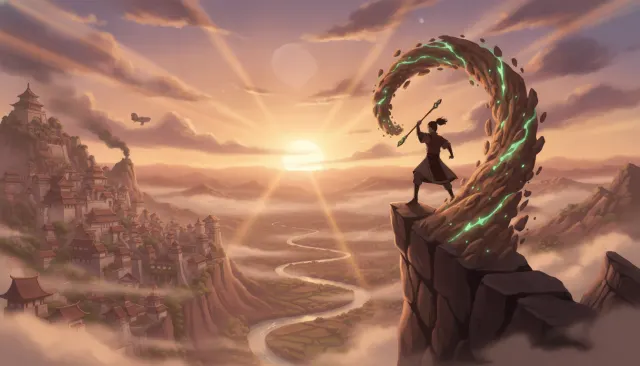 Kids Cn Action ClassicAvatar The Last Airbender Anime-Influenced Western
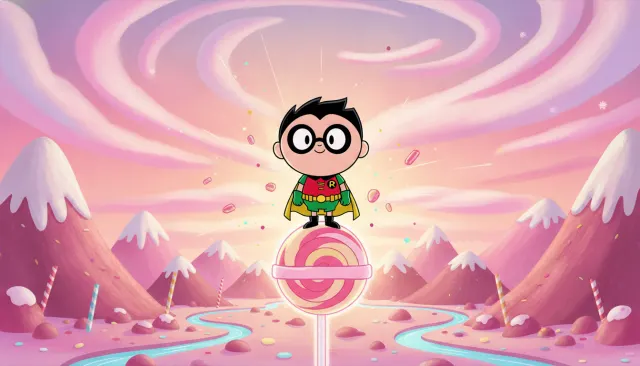 Kids Cn Action ClassicTeen Titans Go Modern Flat
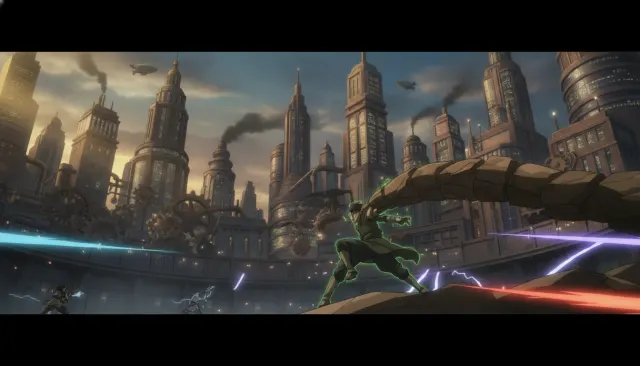 Kids Cn Action ClassicLegend of Korra Art Deco Bending
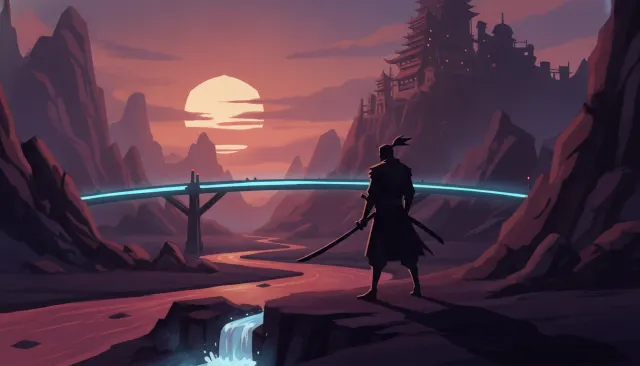 Cn 90S RevivalSamurai Jack Bold Action
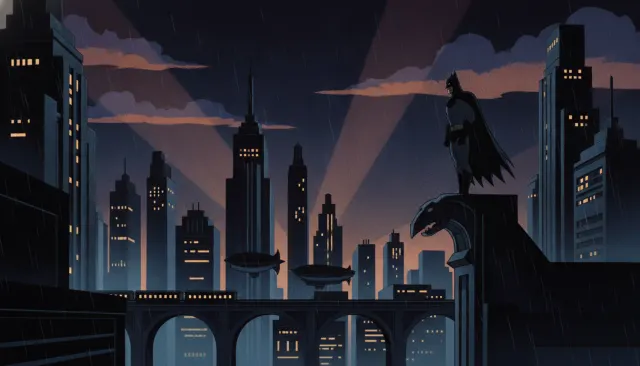 Superhero ActionBruce Timm Batman TAS
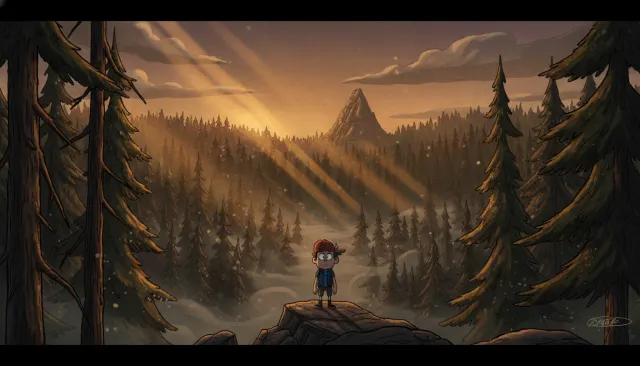 Cn Modern PastelGravity Falls Mystery Line
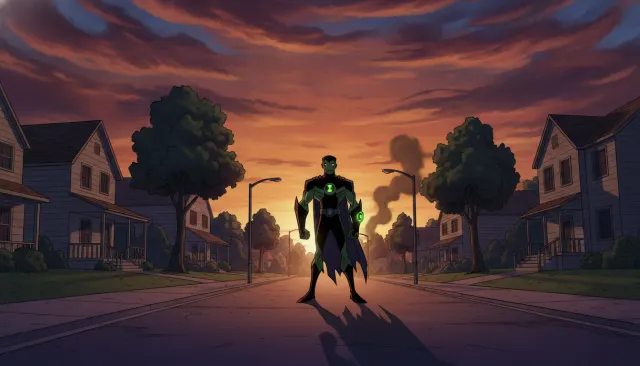 Kids Cn Action ClassicBen 10 Classic McGrath Line