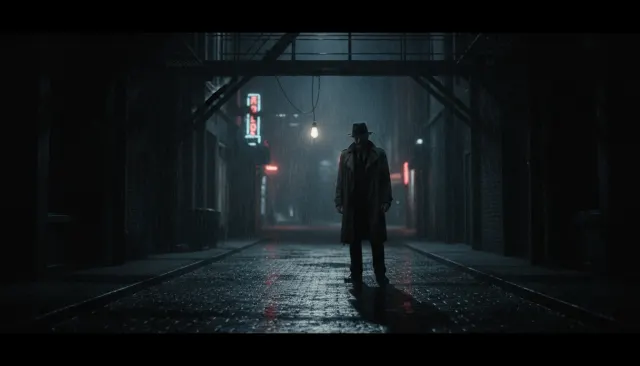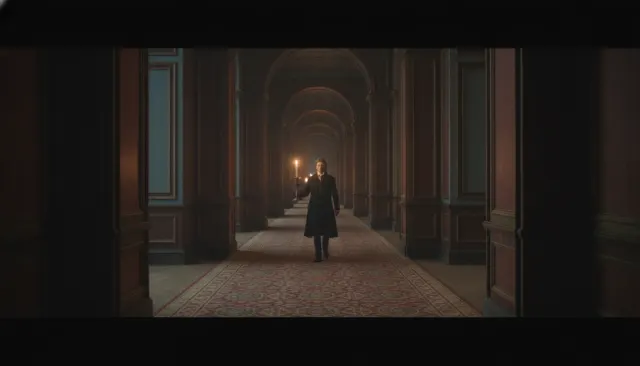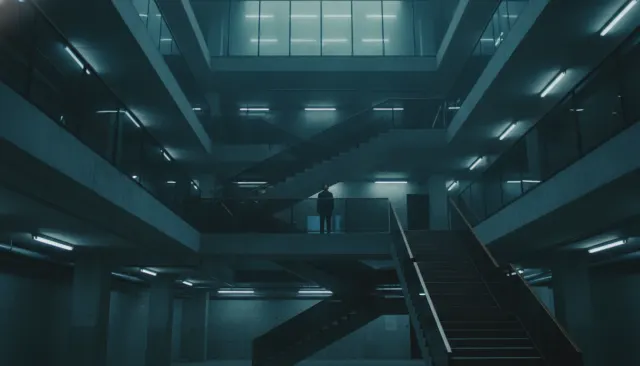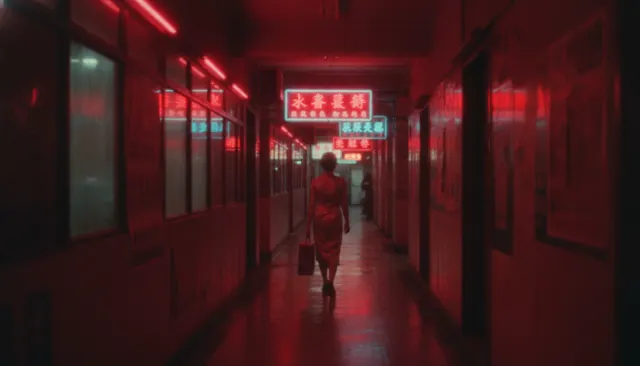
Oldboy
Park Chan-wook / Chung Chung-hoon · 2003
Cannes Grand Prix winner with the corridor tracking sequence as the defining image of the revenge cinema visual grammar
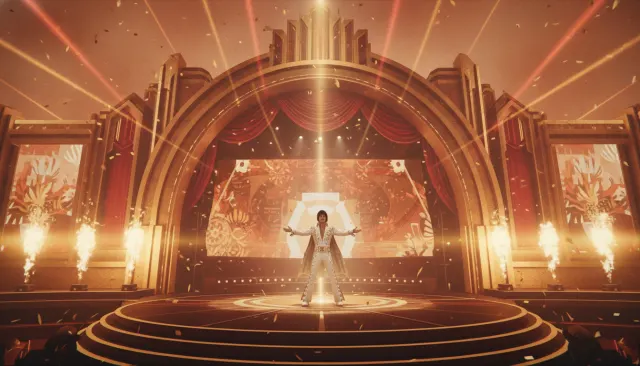
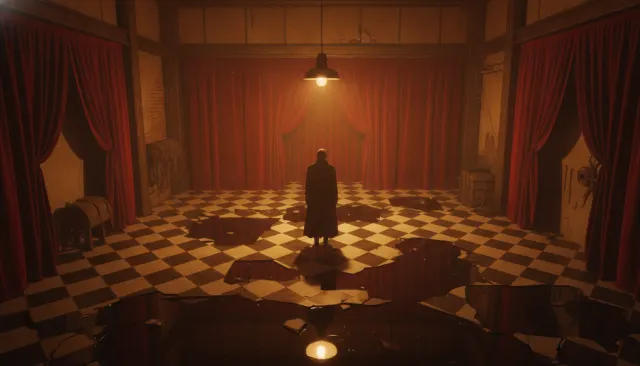
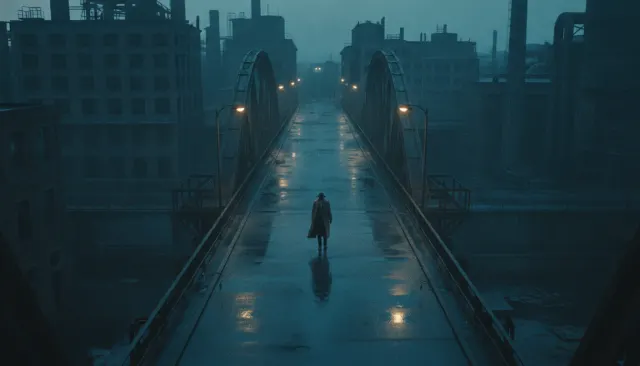
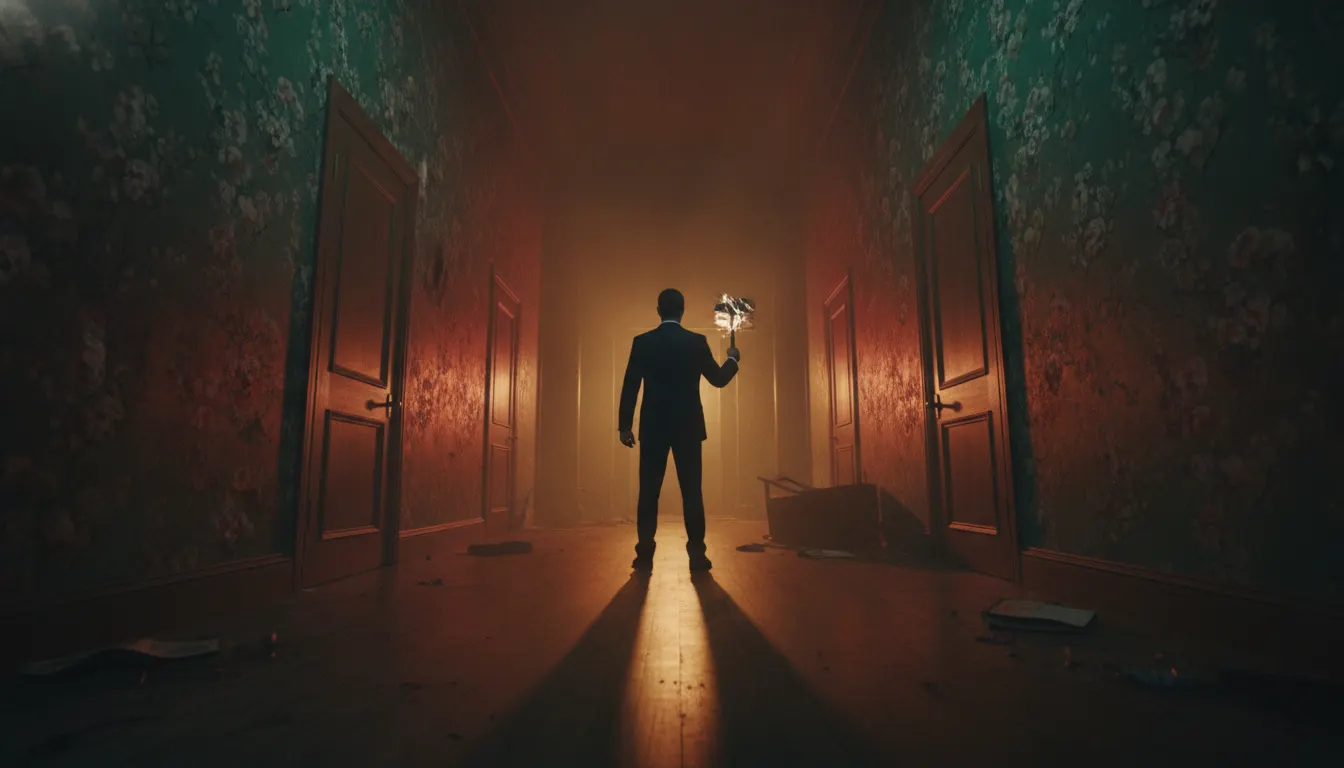
Park Chan-wook revenge cinema. Oldboy corridor hammer fight, Handmaiden lush green wallpaper, Chung Chung-hoon saturated symmetric violence.
The moves a human crew would use to get here. Cue applies them for you, and knowing their names is how you ask for a change.
Deep, oversaturated greens in wallpaper, foliage, and fabric that push the color beyond naturalism into emotional expression.
Action sequences arranged within symmetrical or geometrically precise compositions, transforming violence into formal visual argument.
Extended lateral tracking shots through corridors or rooms that maintain sustained action over time within a single, contained visual space.
Period-appropriate interiors with dense visual texture - wallpaper, fabric, wood, tile - that create rich backgrounds for human drama.
Warm amber practical lighting in dark interiors contrasting with the cold or saturated green of architectural elements.
Top-down overhead shots that create formal patterns from human figures, furniture, or objects as geometric arrangements.
Camera distance and stillness that regards violence or transgression without flinching, maintaining formal composure throughout.
South Korean director Park Chan-wook is among the most formally sophisticated filmmakers of his generation, and his Vengeance Trilogy - Sympathy for Mr. Vengeance (2002), Oldboy (2003), and Lady Vengeance (2005) - established a visual vocabulary for morally complex, aesthetically lush revenge cinema that influenced a generation of international genre filmmakers. His collaboration with cinematographer Chung Chung-hoon has produced images of extraordinary precision: saturated colors, symmetrical compositions, and a willingness to make violence as beautiful as it is disturbing.
Oldboy (2003) is the trilogy's most iconic film and its visual centerpiece. The famous corridor fight sequence - Oh Dae-su versus a hallway full of men, filmed in a single extended lateral tracking shot with minimal cuts - is simultaneously choreographed as action and composed as a painting: the long horizontal frame, the bodies falling and rising, the symmetrical arrangement of the fight geometry. Chung's camera observes the violence with a clinical detachment that prevents exploitation while acknowledging that beauty and horror can coexist in a single image.
The color palette of the trilogy moves from the cold, grey-green industrial palette of Sympathy for Mr. Vengeance through the saturated browns and ambers of Oldboy to the lush, oversaturated greens and reds of Lady Vengeance. This chromatic progression tracks the moral arc of the trilogy: the further into the cycle of revenge the characters descend, the more intense and saturated the visual world becomes.
Chung Chung-hoon has been Park's cinematographer on Oldboy, Lady Vengeance, Stoker (2013), The Handmaiden (2016), and Decision to Leave (2022). Across this body of work, he has developed a recognizable visual signature: a tendency toward deep, oversaturated colors - particularly greens and reds - that push past naturalism into an expressionistic register. His interiors are rich with textural detail: wallpaper patterns, fabric surfaces, architectural ornament.
The Handmaiden (2016) represents the fullest realization of this aesthetic. Set in Japanese-occupied Korea, the film uses two narrative registers - the servant's story and the Lady's story - with subtly different visual treatments that maintain the overall lush-green-and-amber palette while distinguishing the perspectives. The estate interiors are among the most precisely designed in recent cinema, with every surface chosen for its contribution to the saturated visual field.
Park's most recent work, shot by Chung, represents a refinement rather than a departure. The grey-blue coastal police environment of Busan contrasts with the warm interior scenes, and the visual vocabulary extends to include the contemporary technology (smartphones, surveillance cameras) through which the detective-protagonist observes his suspect. The film won Park the Best Director award at Cannes 2022.
Park Chan-wook / Chung Chung-hoon · 2003
Cannes Grand Prix winner with the corridor tracking sequence as the defining image of the revenge cinema visual grammar
Park Chan-wook / Chung Chung-hoon · 2005
Trilogy conclusion using the most intensely saturated palette to externalize the moral complexity of the vengeance cycle
Park Chan-wook / Chung Chung-hoon · 2013
English-language debut using the saturated-gothic visual grammar in an American South Gothic setting
Park Chan-wook / Chung Chung-hoon · 2016
Cannes competition film representing the fullest realization of the lush, textured interior aesthetic with two-perspective narrative structure
Park Chan-wook / Chung Chung-hoon · 2022
Cannes Best Director winner refining the aesthetic into a contemporary detective noir with smartphone surveillance integration
Park Chan-wook / Kim Byung-il · 2002
Trilogy opener using a cold, desaturated industrial palette that establishes the chromatic baseline the following films depart from
A Look is not a filter. It is a set of stored decisions the pipeline reads before it makes a single frame, so two videos in the same Look actually match.