Se7en
David Fincher · 1995
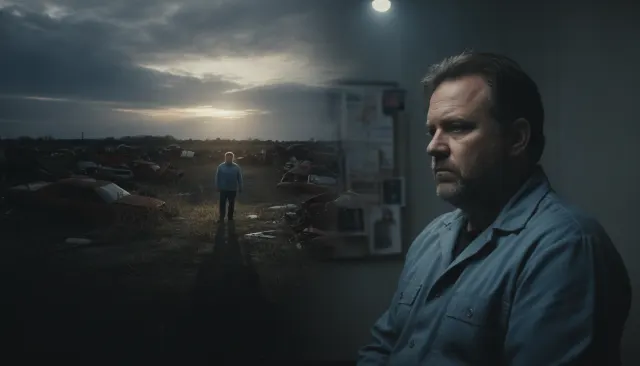
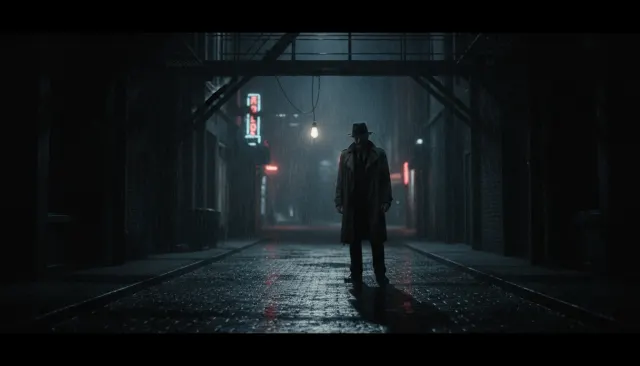
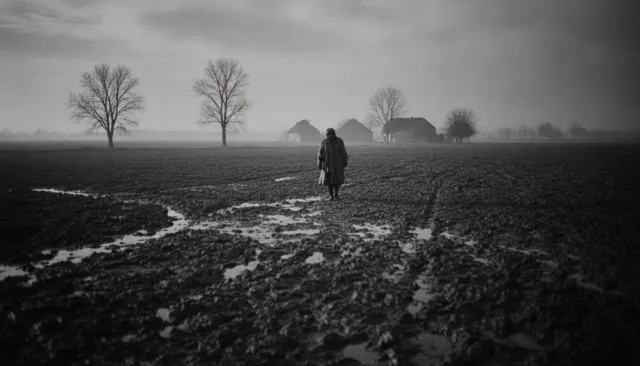
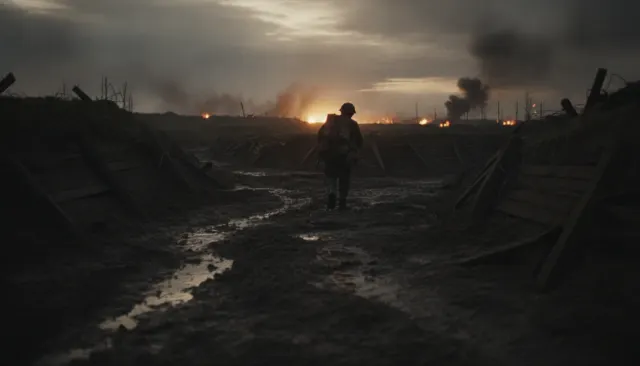
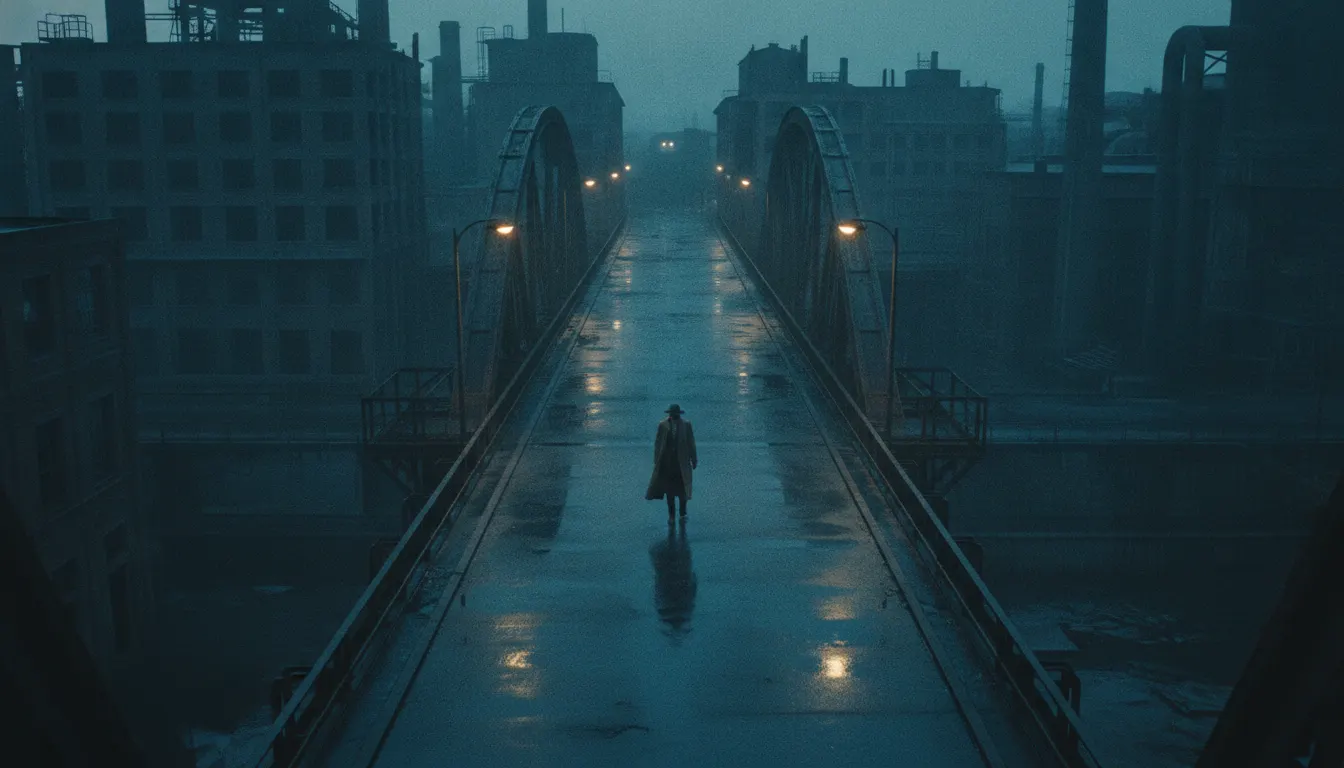
Jeff Cronenweth establishing the bleach-bypass cyan-shadow grammar; rain, grime, and institutional menace
David Fincher procedural thriller. Cyan-shadow desaturation, locked-off precision, Zodiac and Mindhunter clinical realism.
The moves a human crew would use to get here. Cue applies them for you, and knowing their names is how you ask for a change.
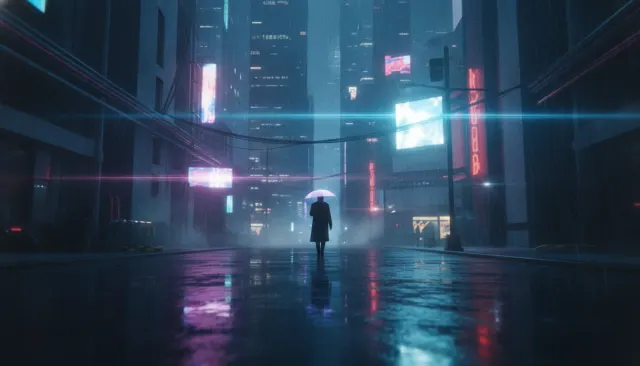
Shadows pulled hard toward blue-green with drained midtone warmth, creating a clinical, forensic quality across the full frame.
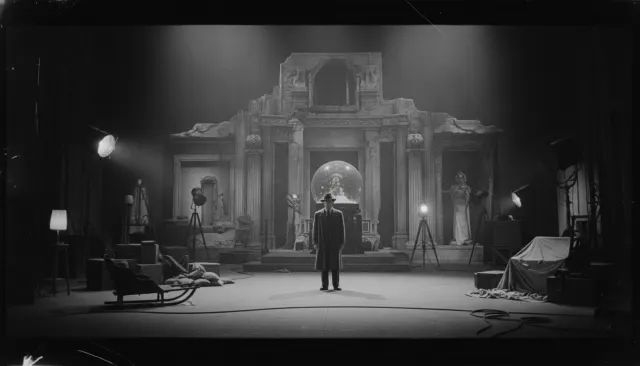
Camera operates largely stationary; movements are rare, motivated, and deliberately informational rather than expressive.
40-75mm lenses create a slightly watched, surveilled quality without the exaggerated distortion of wide angles.
Frames are tightly organized around significant details; negative space is not decorative but pointed.
Fluorescent, overhead, and motivated practicals replace beauty lighting; environments feel real and unglamorized.
Contrast boost with desaturation, referencing the silver-retention process used on Se7en's original print.
David Fincher's procedural thriller aesthetic is one of the most precisely defined visual systems in contemporary cinema. Developed across Se7en (1995), Zodiac (2007), The Social Network (2010), The Girl with the Dragon Tattoo (2011), and extended to television via Mindhunter (2017-2019), the look communicates institutional menace, rational evil, and the cold beauty of obsessive investigation.
Fincher's palette is characterized by aggressive cyan-shadow desaturation. Shadows pull blue-green; midtones are drained of warmth; highlights hold the only significant luminance information. The overall effect - achieved through bleach-bypass simulation in Se7en and digital grading in later work - makes the world feel like evidence: catalogued, joyless, precise. Cinematographer Jeff Cronenweth (son of Jordan Cronenweth, who shot Blade Runner) established this grammar on Se7en and returned for Fight Club (1999), The Social Network, and The Girl with the Dragon Tattoo. Erik Messerschmidt, Fincher's DP on Mank (2020) and Mindhunter, extends the approach to near-monochrome.
Fincher's camera is essentially locked. Pan-and-tilt moves are rare; Steadicam or unmotivated handheld are almost absent. When the camera moves, it is in service of precise information delivery: a slow push-in on a detail, a carefully motivated dolly that reveals. Lens choice tends toward the longer end of the normal range (40-75mm), creating slight compression that feels watched-and-clinical rather than immersed. The camera becomes an investigative eye: methodical, patient, unemotional.
Zodiac (2007), shot by Harris Savides, represents the Fincher procedural at its most sustained. The film's 158 minutes of obsessive research - newspaper archives, payphone logs, witness descriptions - gave Fincher the opportunity to build a visual grammar of investigation. Savides' work is slightly warmer than Cronenweth's, with amber-tinged 1970s period color, but the locked-off precision and information-dense framing remain constant. Mindhunter refined this further: Jonathan Demme-style interview compositions, institutional fluorescent lighting, interview subjects filmed with shallow focus that keeps the investigator sharp while the subject blurs.
Though a visual grammar guide, it is impossible to separate Fincher's look from Trent Reznor and Atticus Ross's contribution - industrial drones, metallic percussion, low-frequency bass tones that make images feel dangerous. The visual look anticipates a soundtrack that treats music as forensic texture.
The Fincher procedural look is widely applied in true-crime documentary, corporate investigation narrative, tech-sector editorial, and any content requiring a tone of cold intelligence. It signals competence, danger, and the presence of systems larger than any individual.
David Fincher · 1995
Jeff Cronenweth establishing the bleach-bypass cyan-shadow grammar; rain, grime, and institutional menace
David Fincher · 2007
Harris Savides; 1970s amber warmth modified through the procedural locked-off grammar
David Fincher · 2010
Cronenweth; corporate procedural applied to tech-sector origin story with precision framing
David Fincher · 2011
Nordic cold pushed to extremes; desaturated winter palette and institutional Swedish architecture
David Fincher · 2017
Erik Messerschmidt; FBI procedural grammar in near-monochrome with forensic interview compositions
David Fincher · 2020
Messerschmidt; black-and-white procedural applied to 1930s Hollywood with period-accurate grain
David Fincher · 2014
Jeff Cronenweth; suburban procedural where domestic spaces are as surveilled as crime scenes
A Look is not a filter. It is a set of stored decisions the pipeline reads before it makes a single frame, so two videos in the same Look actually match.