Eraserhead
David Lynch · 1977
Five-year production that established Lynch's industrial-surrealist visual grammar in an abandoned factory in Los Angeles
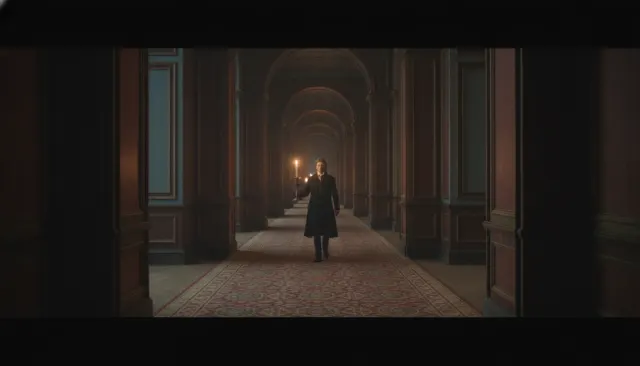
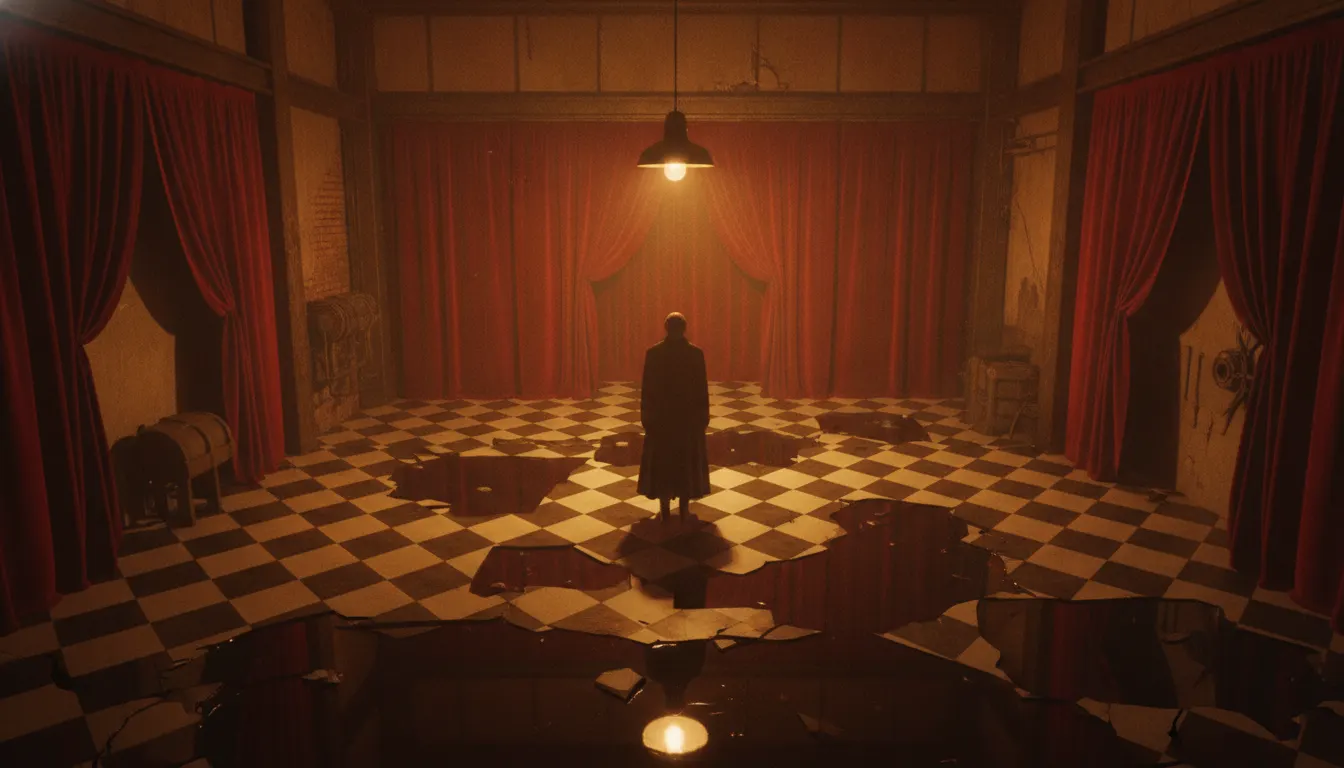
David Lynch dream-logic surrealism. Twin Peaks red-curtain room, Mulholland Drive amber-and-shadow, industrial drone, unsettling stillness.
The moves a human crew would use to get here. Cue applies them for you, and knowing their names is how you ask for a change.
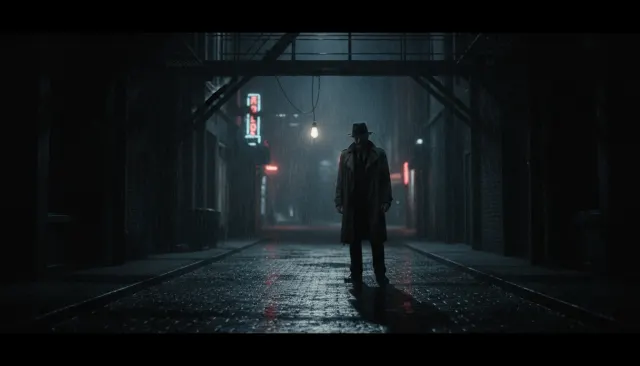
Large areas of pure or near-black that objects emerge from rather than sit against, creating a sense of spatial uncertainty.
Deep red - curtains, upholstery, lips, blood - appearing as sudden danger color against dark environments.
Persistent low-frequency sound design that blurs the boundary between musical score and environmental noise.
Macro shots of velvet, skin, or mechanical surfaces that make the familiar tactile world feel alien and threatening.
Brief shots of figures or objects moving in reverse, signaling a breach of physical law and entrance into dream space.
Warm amber-yellow lighting applied to domestic spaces or 1950s settings to signal false safety and surface normality.
Heavy drapes that part to reveal performance spaces or spaces behind reality, a recurring Lynch motif for crossing thresholds.
David Lynch occupies a unique position in cinema history: a filmmaker who created a recognizable visual and tonal universe so coherent that it became an adjective. "Lynchian" denotes a specific quality of dread - suburban normalcy cracking to reveal industrial darkness beneath, industrial sounds bleeding into scenes of domestic quiet, the dream-logic of a narrative that refuses to explain itself.
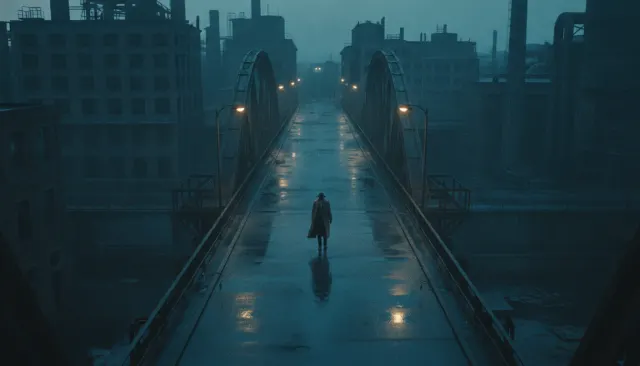
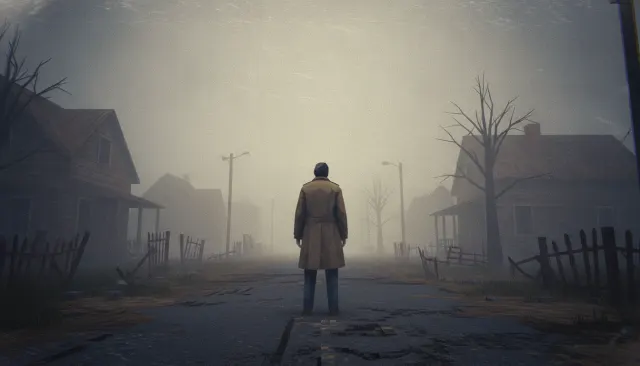
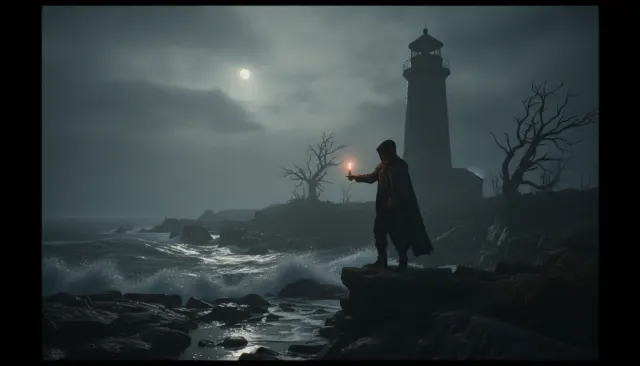
Lynch's visual language was established in Eraserhead (1977), shot over five years on a shoestring budget in the ruins of a Los Angeles industrial site. The film's texture - deep black, industrial fog, surrealist imagery drawn from Lynch's own nightmares - established a grammar that he would refine across five decades. Key elements: deep shadow that consumes large portions of the frame; red as a danger color that appears suddenly against dark environments; extreme close-up on textures (velvet, skin, machinery); and a persistent industrial drone on the soundtrack that blurs the line between score and ambient sound.
The Twin Peaks Red Room (introduced in Twin Peaks (1990) and expanded in Twin Peaks: The Return (2017)) is Lynch's most iconic spatial invention: a red-curtained room with a chevron floor and characters who speak in reverse. The space operates entirely outside normal physics and logic, and its visual grammar - the specific deep wine red of the curtains, the monochrome zigzag floor, the figures who move in stuttering reverse-motion - became the defining image of the dream-logic aesthetic.
Lynch uses darkness not as absence but as presence. Large areas of his frame are pure black, and objects emerge from that darkness rather than existing against a background. This approach, influenced by the chiaroscuro of Edward Hopper's paintings and Francis Bacon's distorted figures, gives Lynch's images a quality of emergence and threat: the frame is never settled, never fully knowable.
When color appears in Lynch's work, it operates symbolically. Red means danger, desire, death. Yellow and amber mean nostalgia and the falseness of safety. Industrial blue-green tints the liminal spaces - the curtain behind the stage in Mulholland Drive (2001), the Club Silencio performance sequence - where reality and dream intersect.
Lynch's partnership with composer Angelo Badalamenti and sound designer Alan Splet created a sonic environment inseparable from his visual grammar. The industrial drone, the reversed speech, the sudden intrusion of 1950s pop songs into scenes of violence - these are not accompaniments to the image but part of the image itself. Contemporary creators working in the Lynch aesthetic must account for sound design as a visual tool.
Lynch died in January 2025, having completed Twin Peaks: The Return (2017), widely considered the most ambitious work in the history of television drama. His influence on horror, arthouse cinema, music video, and advertising aesthetics is incalculable.
David Lynch · 1977
Five-year production that established Lynch's industrial-surrealist visual grammar in an abandoned factory in Los Angeles
David Lynch · 1986
Suburban normality cracking to reveal sadomasochistic darkness beneath, establishing Lynch's signature surface-versus-depth structure
David Lynch / Mark Frost · 1990
Television series that introduced the Red Room and brought Lynch's visual language to a mainstream audience
David Lynch · 1997
Identity-fracturing noir with industrial darkness and Patricia Arquette's dual role as the definitive lost-highway protagonist
David Lynch · 2001
Widely considered Lynch's masterpiece - a Hollywood dream-logic nightmare dissecting ambition, identity, and the gap between fantasy and reality
David Lynch · 2006
Three-hour DV meditation shot in handheld digital, extending dream-logic into fully non-narrative territory
David Lynch / Mark Frost · 2017
Eighteen-hour television event considered by critics the fullest realization of Lynch's formal ambitions across any medium
A Look is not a filter. It is a set of stored decisions the pipeline reads before it makes a single frame, so two videos in the same Look actually match.