Funny Ha Ha
Andrew Bujalski · 2002
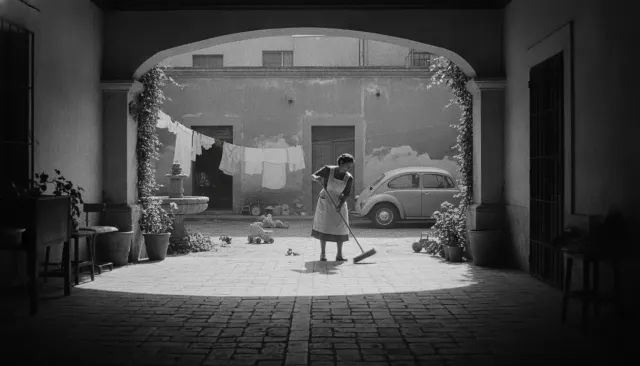
16mm Cambridge feature that established mumblecore's aesthetic principles and served as the movement's founding text
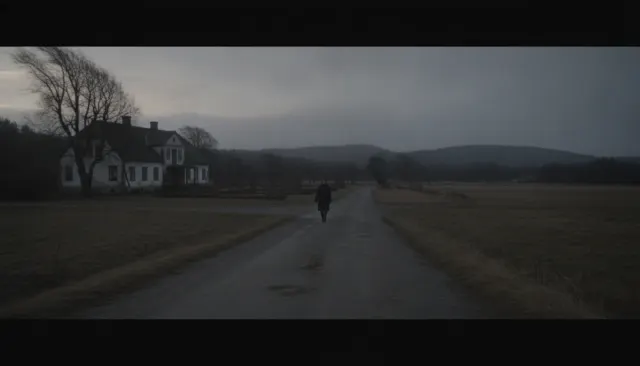
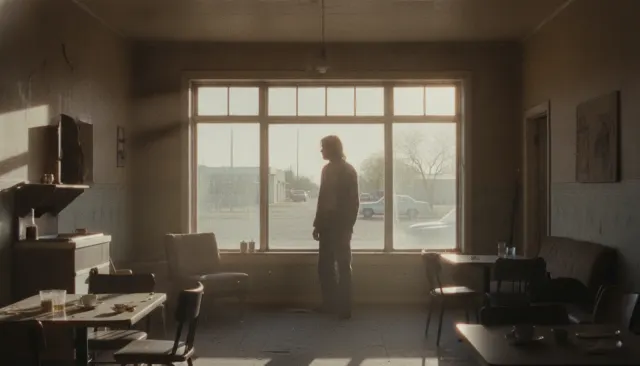
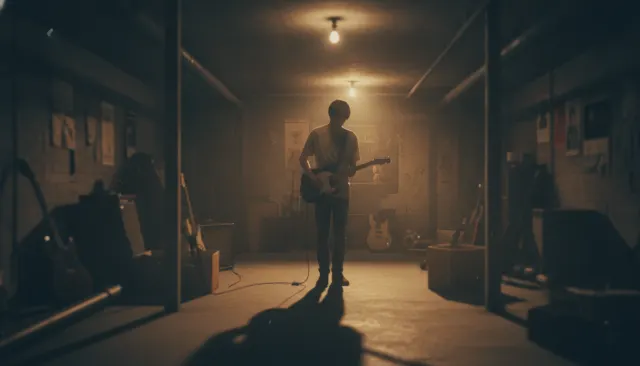
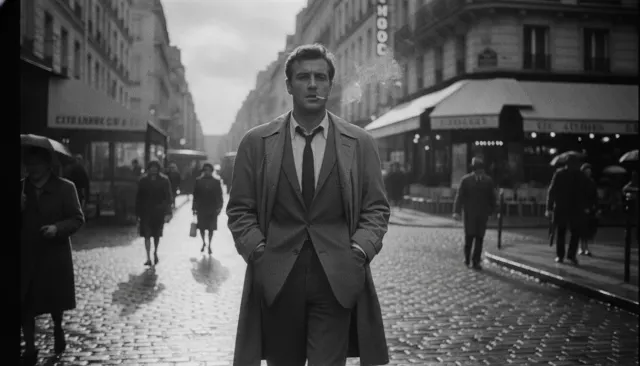
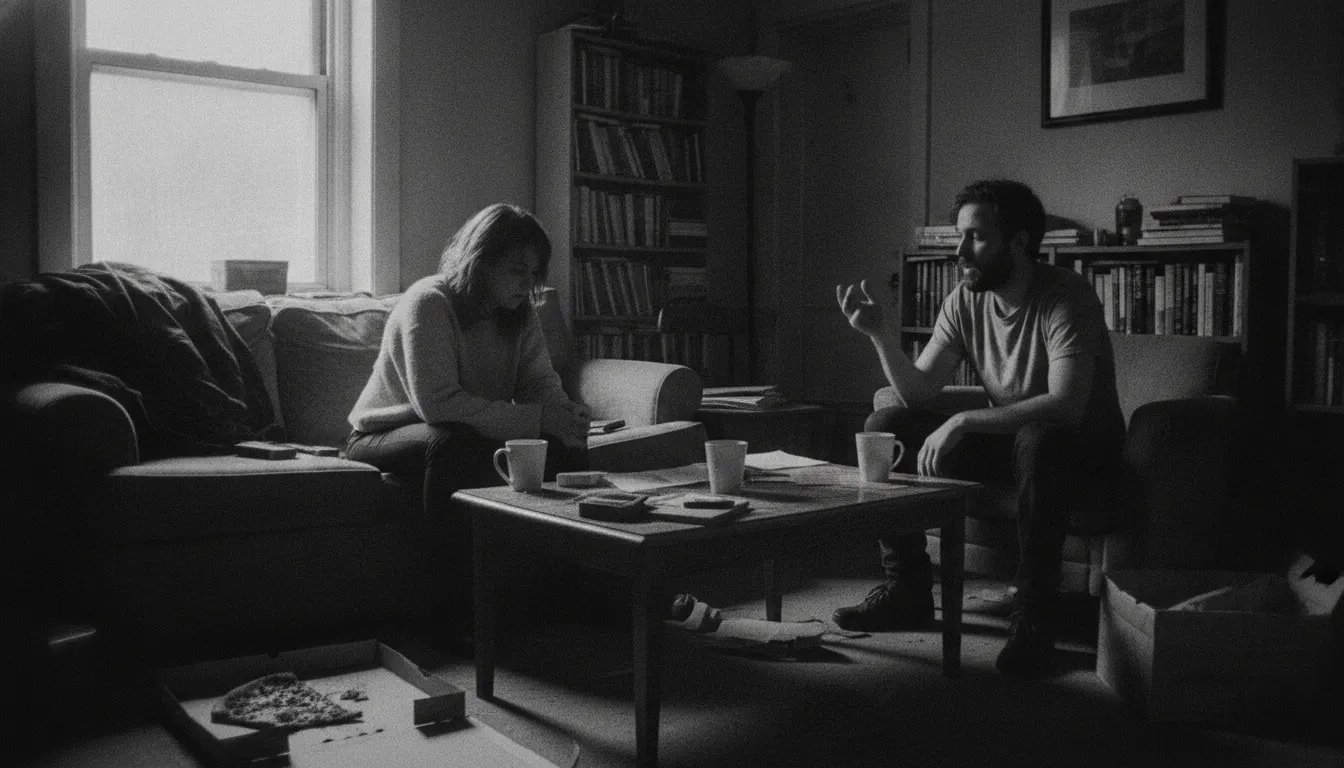
Mumblecore black-and-white naturalism. Andrew Bujalski Funny Ha Ha era, Joe Swanberg Hannah Takes the Stairs, available-light apartment, improvised dialogue.
The moves a human crew would use to get here. Cue applies them for you, and knowing their names is how you ask for a change.
Shooting interiors with only existing practical lights - table lamps, overhead fixtures, window light - without any augmentation.
Film grain structure from actual 16mm stock, or digital emulation of it, that adds the organic texture distinguishing mumblecore from clean digital.
Camera held in hand at the height of seated conversation, moving with the natural attention of a participant rather than an observer.
Camera position that responds to where actors naturally move rather than directing actors to marked positions.
Black and white with generous shadow and highlight spread, accepting the contrast variations that available light creates.
Interiors showing the actual detritus of lived-in apartments - dishes, books, clothing - as naturalistic production design.
Camera height consistently at seated or standing human eye level, reinforcing the presence of a peer rather than an observer.
Mumblecore is an American independent cinema movement that emerged in the early 2000s, characterized by micro-budgets, non-professional or semi-professional actors, improvised or semi-improvised dialogue, and a deliberate rejection of narrative polish. The term was coined by sound editor Eric Masunaga at the 2005 SXSW Film Festival to describe a cluster of films by directors including Andrew Bujalski, Joe Swanberg, Mark and Jay Duplass, Aaron Katz, and Lynn Shelton.
Andrew Bujalski's Funny Ha Ha (2002), shot on 16mm over several years with a cast of friends in Cambridge, Massachusetts, is generally identified as the founding mumblecore text. Shot on actual film stock - an unusual choice that gave the image a grain and softness distinguishing it from the digital video that most micro-budget filmmakers were using at the time - the film featured non-actors delivering dialogue that sounded genuinely unpolished: hesitations, half-sentences, verbal backtracking. The camera was handheld and responsive, sitting in apartments and at house parties without the controlled compositions of conventional indie cinema.
Bujalski followed Funny Ha Ha with Mutual Appreciation (2005), shot in 16mm black and white, which deepened the aesthetic: available light, often barely adequate, created images that looked like actual documentary footage of actual people in actual spaces. The commitment to formal roughness as an expression of emotional honesty was the movement's core proposition.
Mumblecore's adoption of black and white cinematography was both practical and aesthetic. Black and white film stock is more forgiving of inconsistent lighting than color - exposure errors that would create color casts on color film simply register as contrast variations in monochrome. More practically, shooting in available light in domestic interiors, particularly at night, produces images that work better in black and white, where the grain structure reads as texture rather than noise.
Joe Swanberg's Hannah Takes the Stairs (2007), Aaron Katz's Dance Party USA (2006), and numerous Duplass brothers films extended the movement while varying between color and black and white depending on available resources and aesthetic intent.
Mumblecore fed directly into the 2010s indie cinema movement, and several of its practitioners graduated to mainstream success: the Duplass brothers created The One I Love (2014) and numerous television projects; Lynn Shelton directed television episodes; Greta Gerwig, who appeared in several mumblecore films as an actor, became one of the most significant directors of her generation. The aesthetic's influence is visible in contemporary low-budget digital filmmaking, where the prioritization of performance naturalism over technical polish is a baseline assumption rather than a provocative choice.
Andrew Bujalski · 2002
16mm Cambridge feature that established mumblecore's aesthetic principles and served as the movement's founding text
Andrew Bujalski · 2005
16mm black and white continuation deepening the available-light naturalism and improvised dialogue approach
Aaron Katz · 2006
Portland-set mumblecore film that applied the aesthetic to teenage party culture with extreme naturalism
Joe Swanberg · 2007
Prolific mumblecore director Swanberg's breakthrough featuring Greta Gerwig in a loose romance across Chicago
Jay and Mark Duplass · 2008
The Duplass brothers' mumblecore entry combining the naturalistic style with genre horror conventions
Aaron Katz · 2007
Extended aesthetic refinement of the movement with two-character New York story shot in compressed available light
A Look is not a filter. It is a set of stored decisions the pipeline reads before it makes a single frame, so two videos in the same Look actually match.