Irving Penn's cigarettes and flowers for Vogue
the art photography parallel
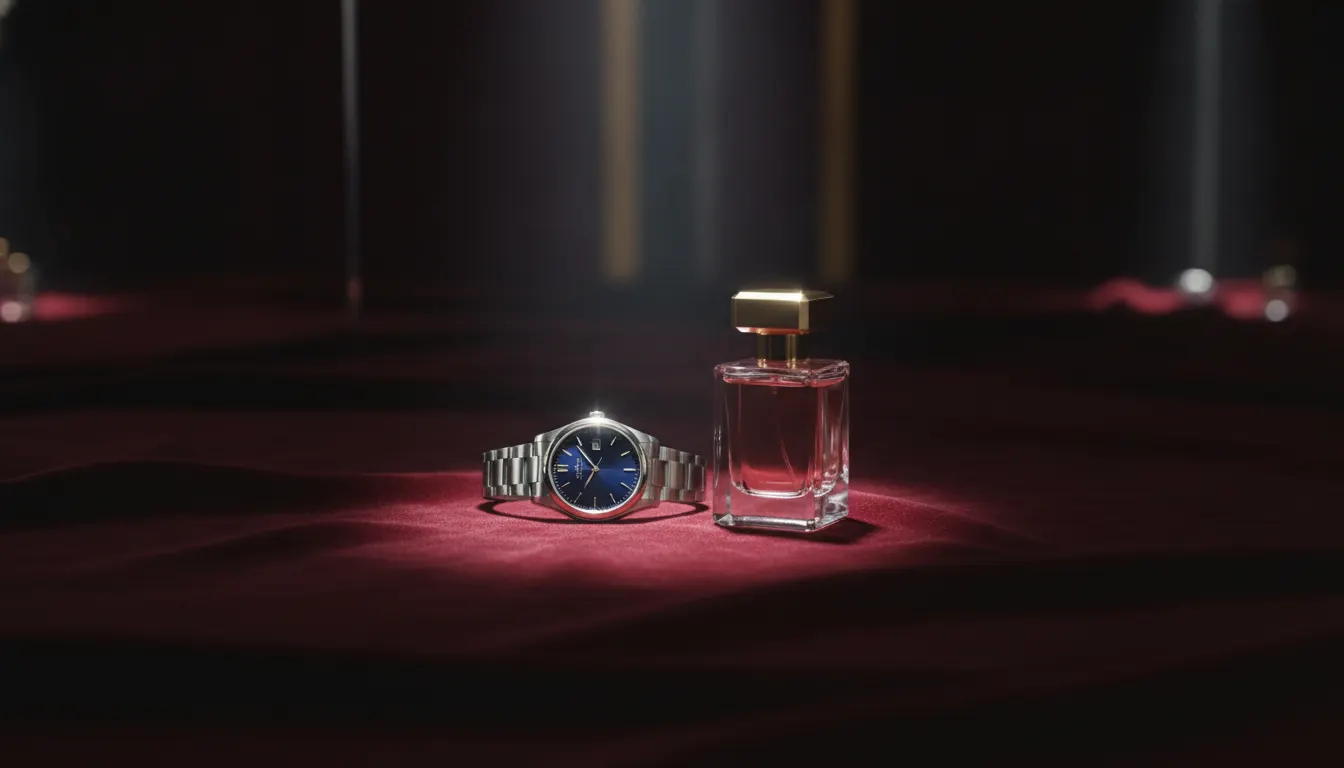
Luxury product still life. Watch and perfume bottle on velvet, single hard pinpoint key, deep shadow drama, Hasselblad commercial polish.
The moves a human crew would use to get here. Cue applies them for you, and knowing their names is how you ask for a change.
fill, highlight, rim, fiber optic detail lights
white sweep, black glass, marble, or minimal textured material
dust removal, reflection management, color calibration
cleaning, warming to prevent condensation, prop styling
Luxury product still life photography is the most technically demanding form of commercial photography. Its goal is to make a physical object - a watch, a perfume bottle, a handbag - appear simultaneously real and idealized: recognizable as the specific object the viewer can buy, but more beautiful, more textured, and more luminous than they would encounter it in a shop window.
Luxury product photography is built on total control of light. Unlike portrait or lifestyle photography where ambient light or a single large source can produce excellent results, luxury product work typically requires multiple precisely positioned light sources: a primary soft fill, one or more directional highlights to reveal three-dimensionality, a backlight or rim light to separate the object from the background, and in many cases small pencil lights or fiber optics to illuminate specific surface details.
The camera is almost always a medium or large format body - Phase One, Hasselblad, or large-format technical cameras - mounted on a heavy tripod with mirror lockup. Lenses are selected for minimal distortion and maximum sharpness at middle apertures (f/11-f/16). The camera position is determined with geometric precision; a millimeter of movement changes which surface reflections appear in the frame.
The central technical challenge in luxury product photography is managing surface reflection. High-end watches, jewelry, and perfume bottles are often made of highly reflective glass, metal, or lacquer. These surfaces reflect their environment, including the camera and the photographer. The solution is the reflection management technique: the product is placed inside a 'light tent' (a white diffusion material surrounding the product) that provides a clean, controlled reflection environment, or the reflections are removed and replaced in post-production.
Luxury product photography universally employs minimal backgrounds. The object floats in negative space - pure white, pure black, or a neutral material like marble, brushed metal, or concrete that reads as refined material without being specific to a location. This negative space communicates the object's value by giving it room to breathe and by removing all contextual information that might undercut the aspirational register.
High-end product photography retouching is extensive: dust and fingerprints removed, surface reflections managed, color calibrated to match the physical product under controlled lighting, shadows added or removed, and compositing of multiple captures at different focus distances (focus stacking) for maximum depth of field.
the art photography parallel
A Look is not a filter. It is a set of stored decisions the pipeline reads before it makes a single frame, so two videos in the same Look actually match.
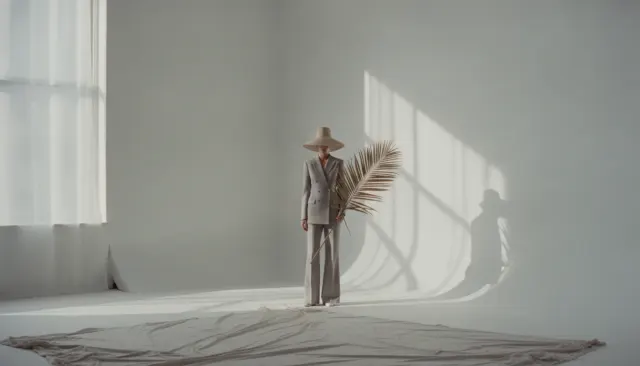 Fashion EditorialIrving Penn Still Life Fashion
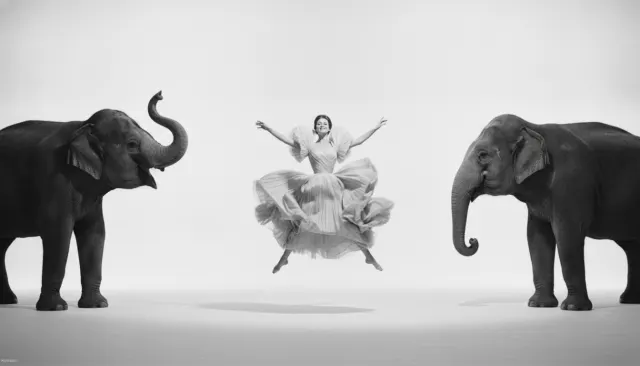 Fashion EditorialHarpers Bazaar Richard Avedon
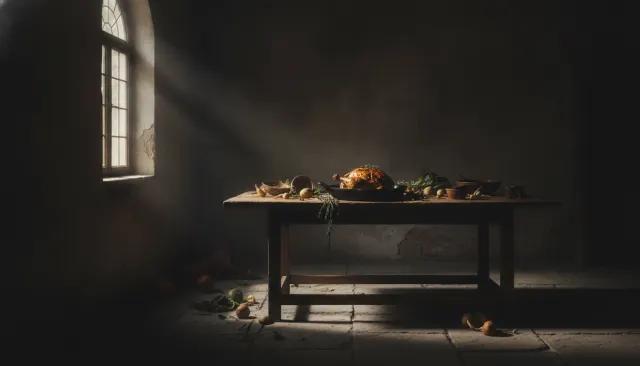 Food Product StillDark Moody Food Photography
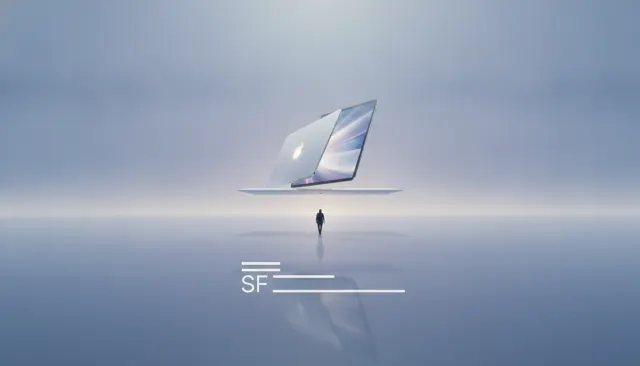 Brand Identity ExtendedApple Product Minimal Modern
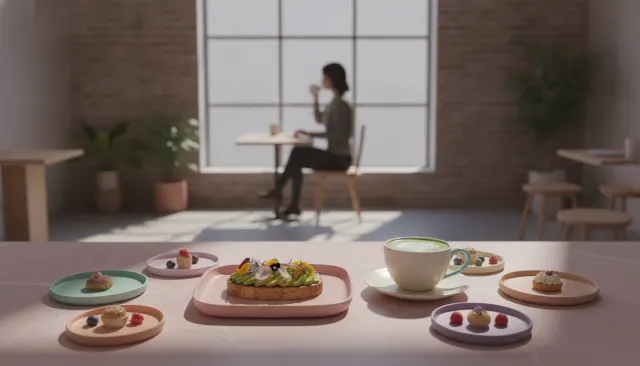 Food Product StillInstagram Flat Lay Pastel Food
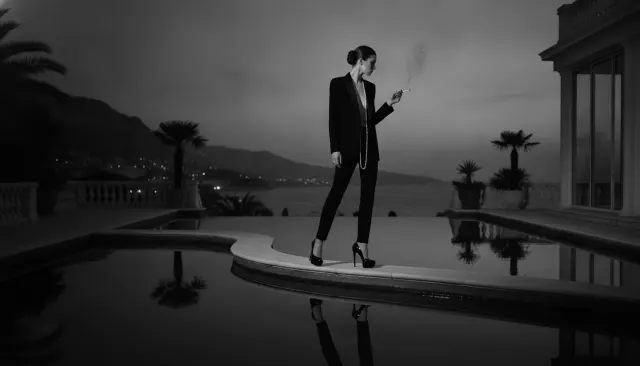 Fashion EditorialHelmut Newton Noir Glamour
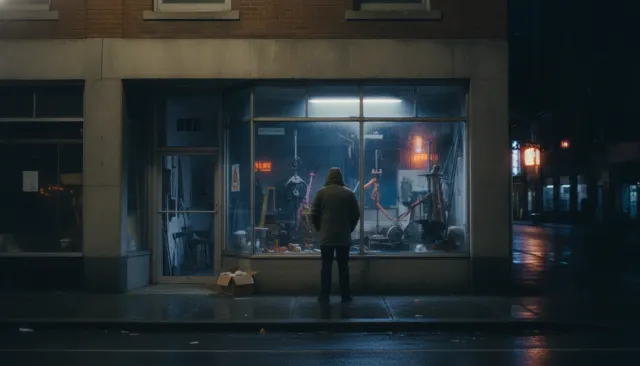 Photographers Fine ArtJeff Wall Staged Tableau Narrative