PHOTOGRAPHERS COLOR MODERN · 2000S · MOROCCO
Lalla Essaydi Arab Women Calligraphy
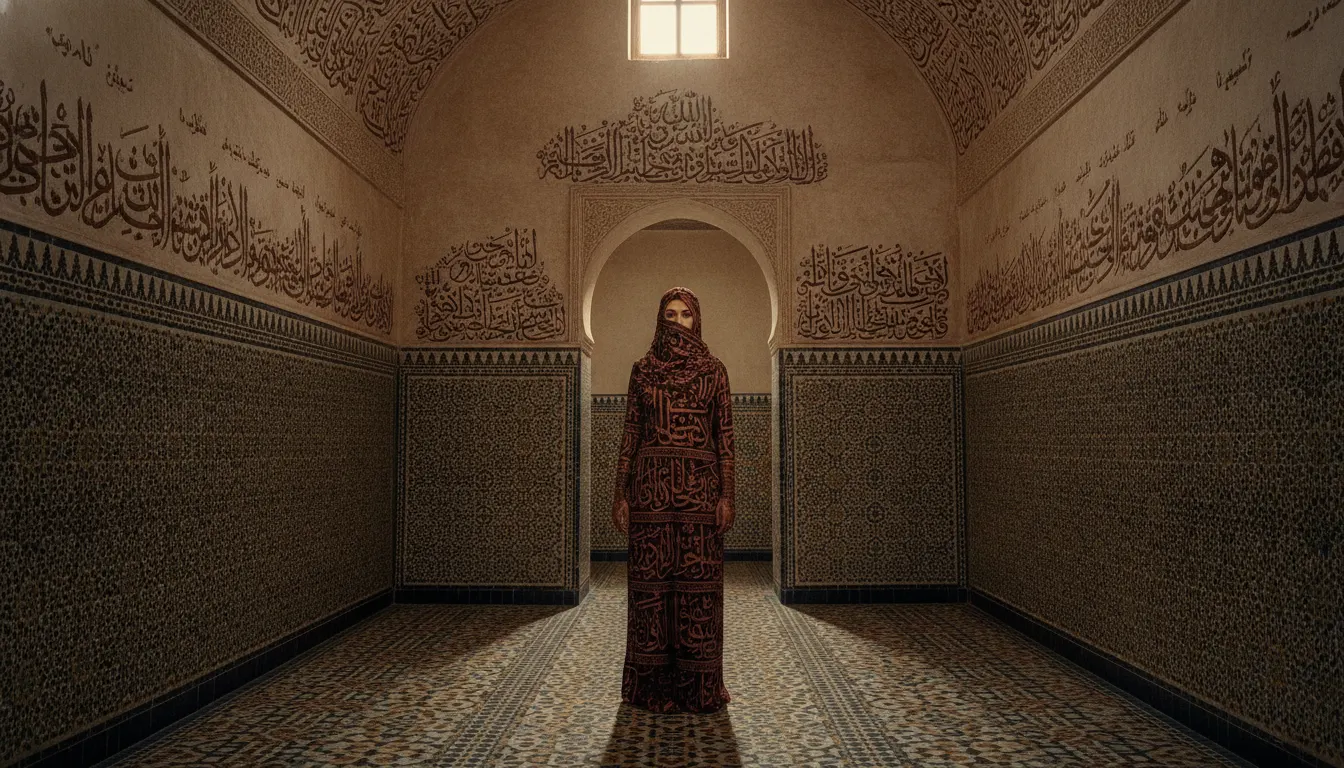
Lalla Essaydi Les Femmes du Maroc. Henna calligraphy covering subject and surround, ornate tiled Moroccan interior, Orientalist trope reclaimed.
color-modernorientalist-reclaimhennatableau
LUT essaydi-henna-warm
WHEN TO USE
- Art photography and fine art projects engaging cultural identity and representation
- Editorial content about Middle Eastern or North African culture with sophistication and specificity
- Fashion or beauty editorial work that embeds text or pattern into skin and fabric simultaneously
- Documentary or portrait projects about women, cultural identity, and self-representation
- Gallery or museum content for institutions programming post-colonial or feminist art
WHEN NOT TO USE
- Commercial photography that would reduce the calligraphy to surface decoration without meaning
- Quick-turnaround commercial work - the henna application alone takes days
- Content that would appropriate the cultural reference without engaging its meaning
- Action or documentary photography requiring fast response
SIGNATURE TECHNIQUES
How the look is made.
The moves a human crew would use to get here. Cue applies them for you, and knowing their names is how you ask for a change.
- 01Full
body henna calligraphy applied to skin, hair, and clothing before photographing
- 02Calligraphy extended to all architectural surfaces
walls, floor, textiles, pillows
- 03Text in classical Arabic drawn from the artist's own writing
not decorative
- 04Large
format camera (4x5 or 8x10) for maximum resolution at large print scales
- 05Restrained color palette
cream, ivory, ochre, brown (Orientalist palette reclaimed)
- 06Soft diffused interior daylight consistent with traditional Moroccan architecture
- 07Deliberate compositional reference to specific Orientalist paintings
HISTORY & CONTEXT
Where it comes from.
Lalla Essaydi: Arab Women and Calligraphy
Lalla Essaydi (born 1956, Morocco, based New York) is among the most significant photographers working at the intersection of Islamic visual tradition, feminist theory, and the history of Orientalist painting. Her large-scale photographs - women reclining in architectural spaces, their skin and garments covered in dense henna calligraphy - constitute one of the most original bodies of photographic work produced in the early 21st century.
Les Femmes du Maroc (2003-2007)
Essaydi's breakthrough series, begun in 2003, directly confronts the Orientalist tradition in Western painting - Delacroix's Women of Algiers (1834), Ingres's odalisques, Matisse's Moroccan interiors. She returns to Morocco and stages her photographs in spaces she lived in as a child, placing Arab women in the architectural positions that Orientalist painters assigned to their imaginary subjects.
The transformative element is the calligraphy. Before each shoot, Essaydi and her subjects spend days applying henna calligraphy text to the women's skin, hair, and clothing, and to the architectural surfaces of the room itself - walls, floors, textiles, pillows. The text, written in classical Arabic, is drawn from her own writing about memory, identity, and the representation of Arab women. By the time the camera records the image, every surface in the frame carries meaning in a language that the Western Orientalist tradition could not read.
Technical and Formal Approach
Essaydi works with a large-format 4x5 or 8x10 camera on a tripod, producing images at scales of 40x50 inches or larger. The light is soft and diffused - consistent with the filtered daylight of traditional Moroccan interior architecture. Color palette is deliberately restrained: cream, ivory, brown, the ochre of old henna - the exact palette of Delacroix and Ingres, subverted from within.
Her later series Converging Territories (2004), Harem (2009), and Bullets Revisited (2012-2013) extend the calligraphy methodology. Bullets Revisited applies henna calligraphy to a surface of spent bullet casings, addressing violence against women and the female body in conflict zones.
Intellectual Framework
Essaydi's work is in direct dialogue with Edward Said's Orientalism (1978), the feminist photography theory of Laura Mulvey, and the tradition of Moroccan literary women who historically wrote in Arabic - an act that was itself subversive in a culture that restricted women's literacy. By making the text visible on the body, she forces the Western viewer to confront what they cannot read and what they have always projected onto Arab women's bodies.
NOTABLE WORKS
Where you have seen it.
Converging Territories series, 2004
Harem series, 2009
Bullets Revisited series, 2012-2013 (henna on spent bullet casings)
Harem Revisited series, 2012-2013
Her photographs are in the collections of the Smithsonian, MFA Boston, and the Brooklyn Museum
THE RECIPE
The exact knobs
the renderer turns.
A Look is not a filter. It is a set of stored decisions the pipeline reads before it makes a single frame, so two videos in the same Look actually match.
SettingValue
GradeColour LUT applied to every frame
essaydi-henna-warmTransitionHow one shot becomes the next
dissolve cuts · 640ms · ease-in-outKen BurnsCamera move applied to stills
Slow push · 0.018 · centerTypographyDisplay / body / mono pairing
Cormorant · Lora · CourierMusic moodWhat the bed under the voice sounds like
oud-solo · andalusian-stringsPrompt suffixAppended to every shot prompt in this Look
Lalla Essaydi Les Femmes du Maroc 2000s, henna calligraphy covering subject and surround, ornate tiled Moroccan interior, Orientalist trope reclaimedPALETTE
Primary
#A88860
Secondary
#7A5A3E
Accent
#7A2030
Text/Light
#1F1208
Text/Dark
#F5E0C8
BG 900
#150E08
BG 800
#2A1F10
RELATED LOOKS
Next to it on the shelf.
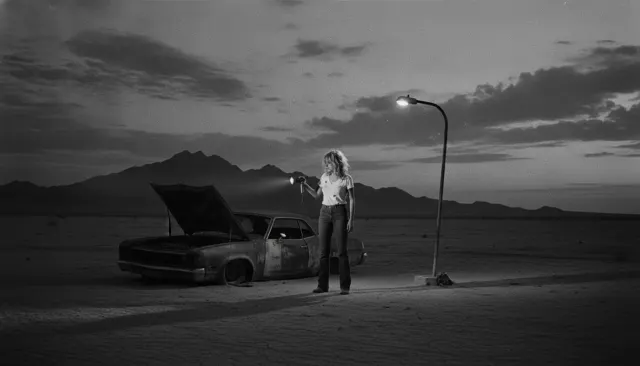 Photographers Fine ArtCindy Sherman Conceptual Portraiture
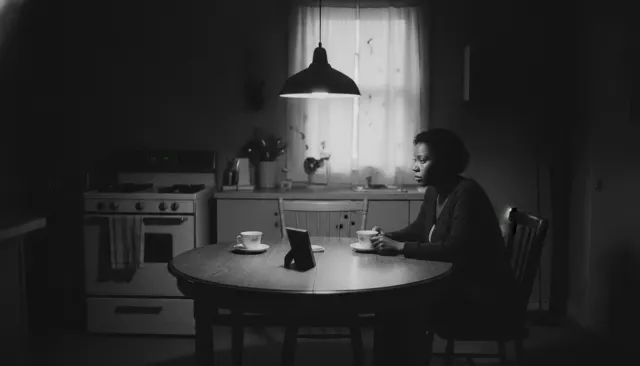 Photographers Color ModernCarrie Mae Weems Narrative BW
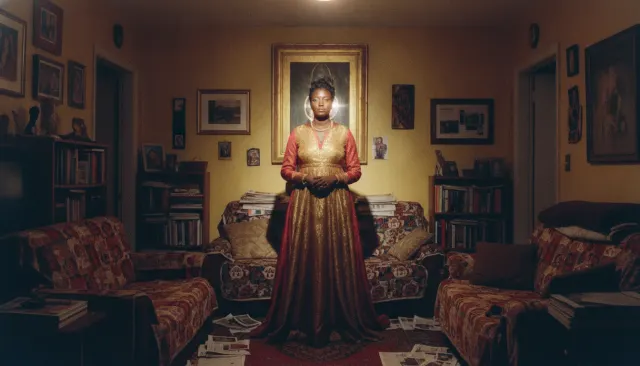 Photographers Color ModernDeana Lawson Staged Color Portrait
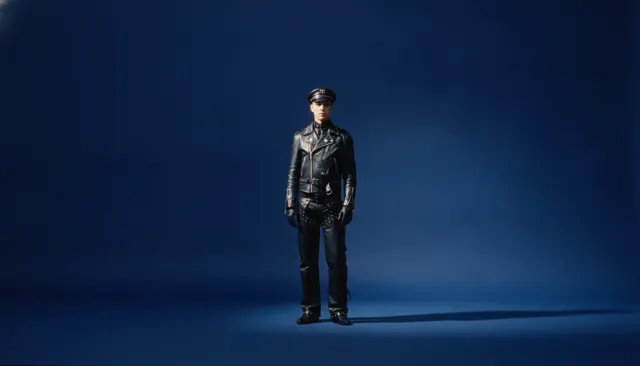 Photographers Fine ArtCatherine Opie Portrait Formal
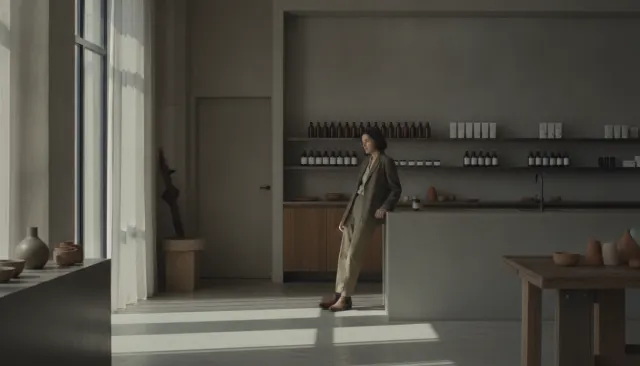 Portrait TraditionsLifestyle Editorial Portrait
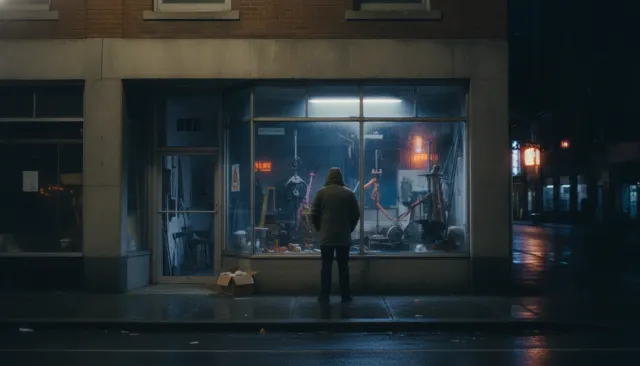 Photographers Fine ArtJeff Wall Staged Tableau Narrative
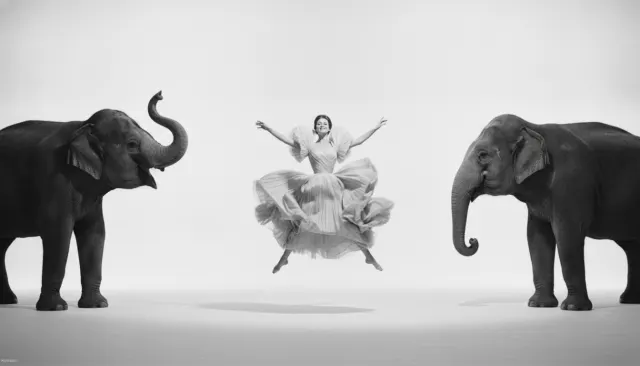 Fashion EditorialHarpers Bazaar Richard Avedon
Your first cut
is on us.
+ New videoFree plan · no card · 1080p export