The Act of Killing
Joshua Oppenheimer / Carlos Arango de Montis · 2012
BAFTA winner - Indonesian perpetrators restage mass killings as musicals, Westerns, and gangster films
Joshua Oppenheimer Act of Killing perpetrator-restages. Indonesian death-squad performing own crimes as musical, surreal saturated tableau, indictment through pageant.
The moves a human crew would use to get here. Cue applies them for you, and knowing their names is how you ask for a change.
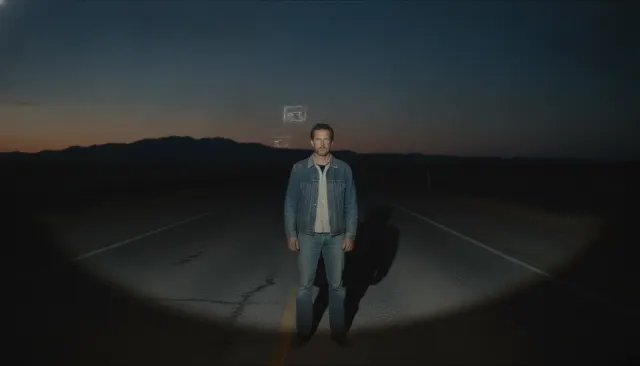
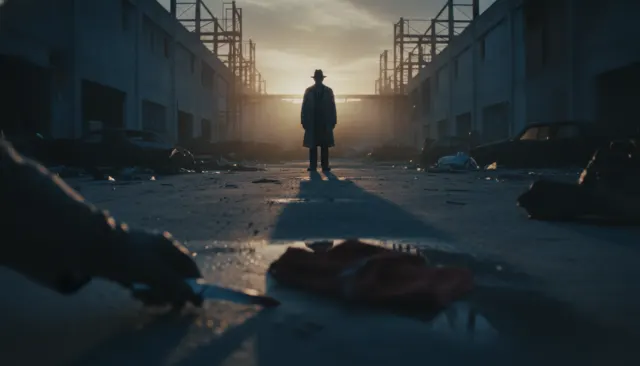
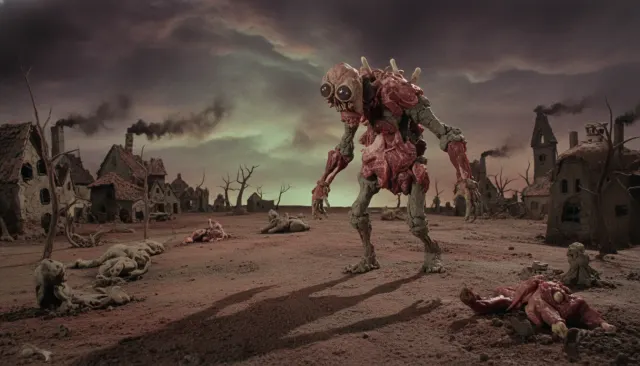
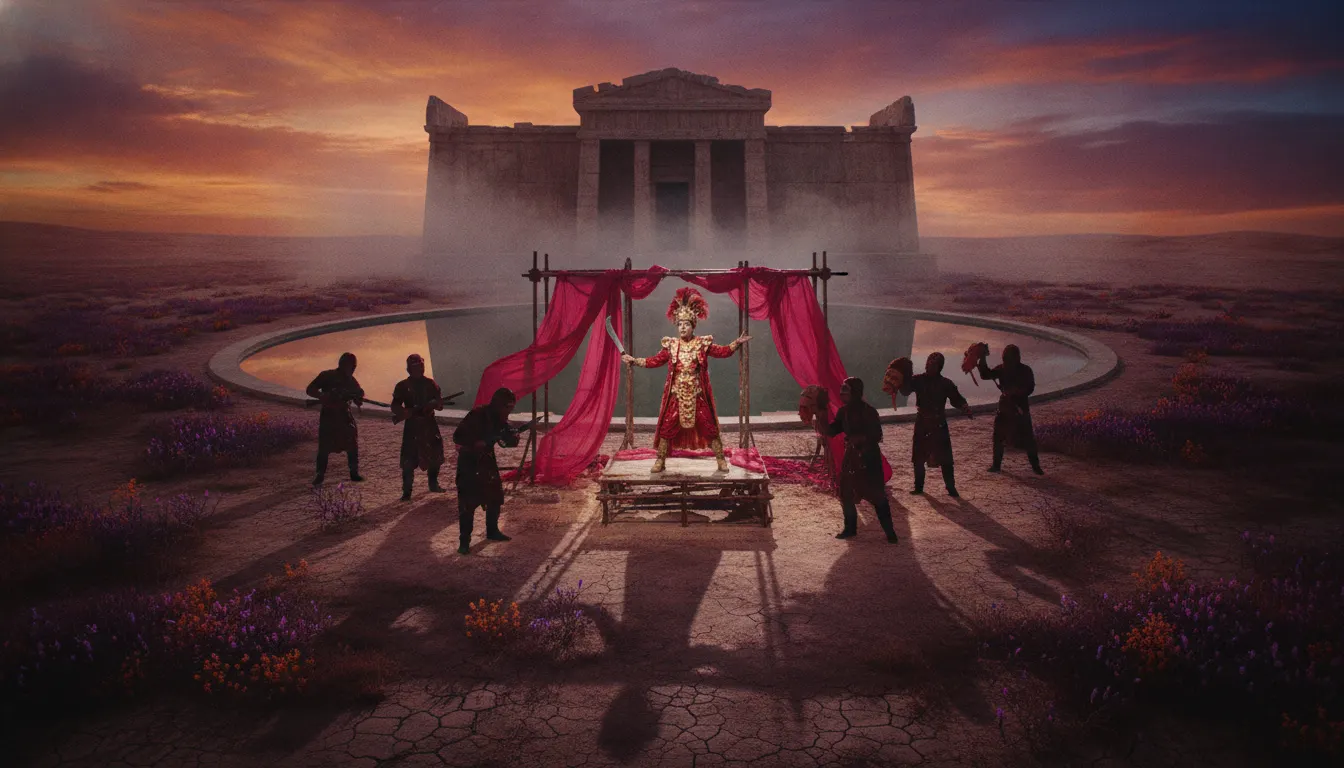
Perpetrators' self-staged re-enactments are photographed in oversaturated gel colors and formal static compositions - making evil beautiful.
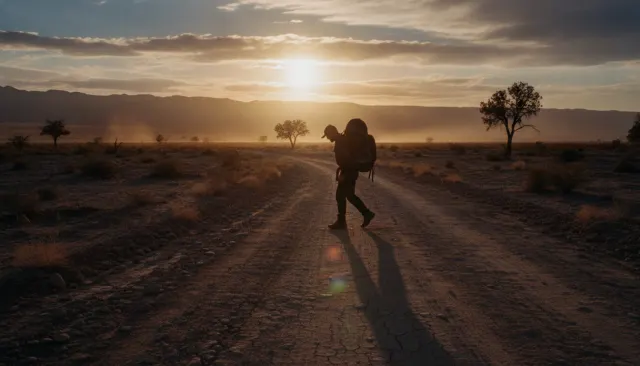
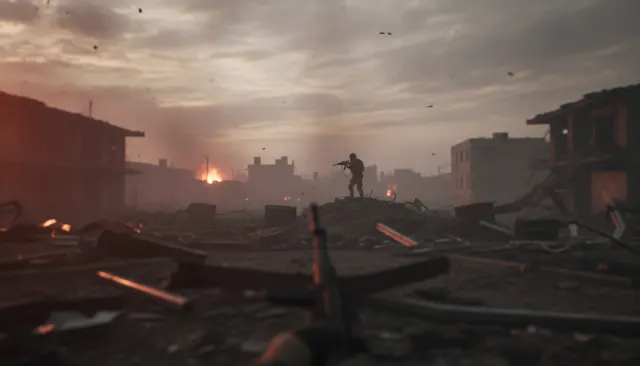
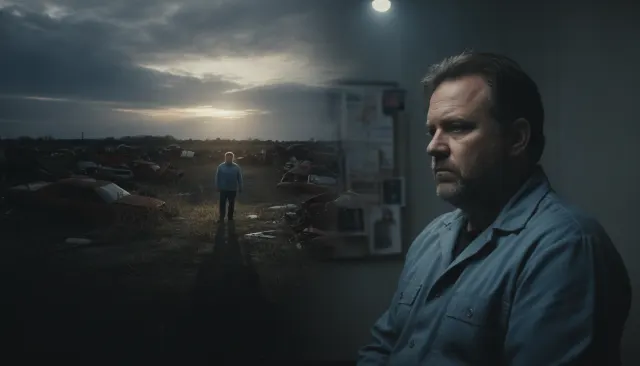
Unguarded behind-the-scenes moments shot in naturalistic handheld, creating sharp contrast with the perpetrators' staged self-glorification.
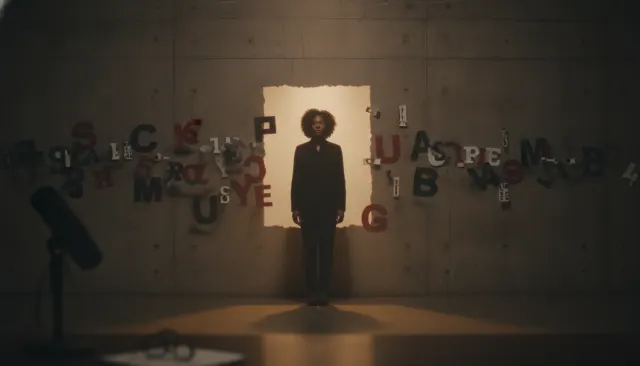
Theatrical costume and performance spotlights illuminate the re-enacted scenes, making the killers look like the movie stars they wish to be.
Oversaturated green jungle and red costume accents create a surreal tropical pageant palette that makes atrocity look festive.
Camera adopts the documentary grammar of subjects' chosen frame - accepting their self-presentation before revealing its horror.
Victims thanking their killers in stylized golden-gate tableaux - the most surreal formal choice, accepting the perpetrators' fantasy logic.
Joshua Oppenheimer's The Act of Killing (2012) is the most formally radical and morally complex documentary made in the 21st century. Its premise is unprecedented: the men responsible for the mass killings of 1965-1966 in Indonesia - in which the Suharto military regime murdered between 500,000 and 1,000,000 people - are still alive, still living in the communities where they killed, and are celebrated as national heroes. Oppenheimer asked them to restage their killings on camera, in any genre they chose. They chose musicals, Westerns, and gangster films.
The film's visual logic is inseparable from its ethical argument. By photographing the perpetrators - primarily Anwar Congo and his colleague Herman Koto - in the full pageant of their self-glorification, Oppenheimer creates an indictment more powerful than any conventional documentary accusation could achieve. The perpetrators indict themselves. Their cheerful re-enactments of mass murder, their elaborate costume-and-set-piece staging, and their visible pride reveal the psychology of impunity more directly than any tribunal testimony could.
Cinematographer Carlos Arango de Montis shot the Indonesian vignettes and the backstage moments with two very different visual strategies: the pageant sequences are oversaturated, frontally lit, and formally composed - they are photographed as the perpetrators want to be seen, as movie stars and heroes. The backstage and reflective moments are shot with a more naturalistic handheld approach that contrasts with the pageant artificiality.
Anwar Congo - who personally strangled at least 1,000 people with a steel wire in the Medan killings - choreographed an elaborate musical sequence set at a waterfall, in which victims emerge from a golden gate to thank him for liberating them from communism. This sequence is photographed with saturated gel lighting, formal static compositions, and the visual grammar of a 1970s Bollywood number. Its horror is absolute, and it is achieved through beauty rather than ugliness.
Oppenheimer's companion film The Look of Silence (2014) follows Adi Rukun, the brother of a 1965 massacre victim, as he confronts the men responsible for his brother's death while they are still living freely in his community. The visual grammar shifts: less pageant, more intimate confrontation. The film's key scene - Adi confronting his brother's killer in the killer's own living room - is shot with an agonizing proximity. The killer's casual comfort, his family's presence, and Adi's barely controlled devastation are all photographed in the available light of a suburban Indonesian home.
The Act of Killing screened in competition at the Berlin Film Festival, won the BAFTA for Best Documentary, and was nominated for the Academy Award for Best Documentary Feature. Its influence is visible in the expansion of hybrid documentary forms that place documentary subjects in fictional or staged contexts - from One Child Nation (2019) to collaborative multimedia works that blur the line between testimony and performance.
Joshua Oppenheimer / Carlos Arango de Montis · 2012
BAFTA winner - Indonesian perpetrators restage mass killings as musicals, Westerns, and gangster films
Joshua Oppenheimer · 2014
Companion film - survivor's brother confronts killers in their homes, intimate naturalistic counterpoint
Rithy Panh · 2003
Cambodian precursor - perpetrators and survivors in the same space, reenactment in a different key
Claude Lanzmann · 1985
9-hour foundational Holocaust testimony documentary - no archival footage, only present-day witness address
Joshua Oppenheimer · 2021
Oppenheimer's continued investigation into Indonesia's 1965 perpetrator culture
Nanfu Wang / Jialing Zhang · 2019
Oppenheimer-influenced hybrid documentary confronting Chinese government officials with the consequences of the one-child policy
Werner Herzog · 1999
Precursor performative documentary - director and former collaborator, performance and reality indistinguishable
A Look is not a filter. It is a set of stored decisions the pipeline reads before it makes a single frame, so two videos in the same Look actually match.