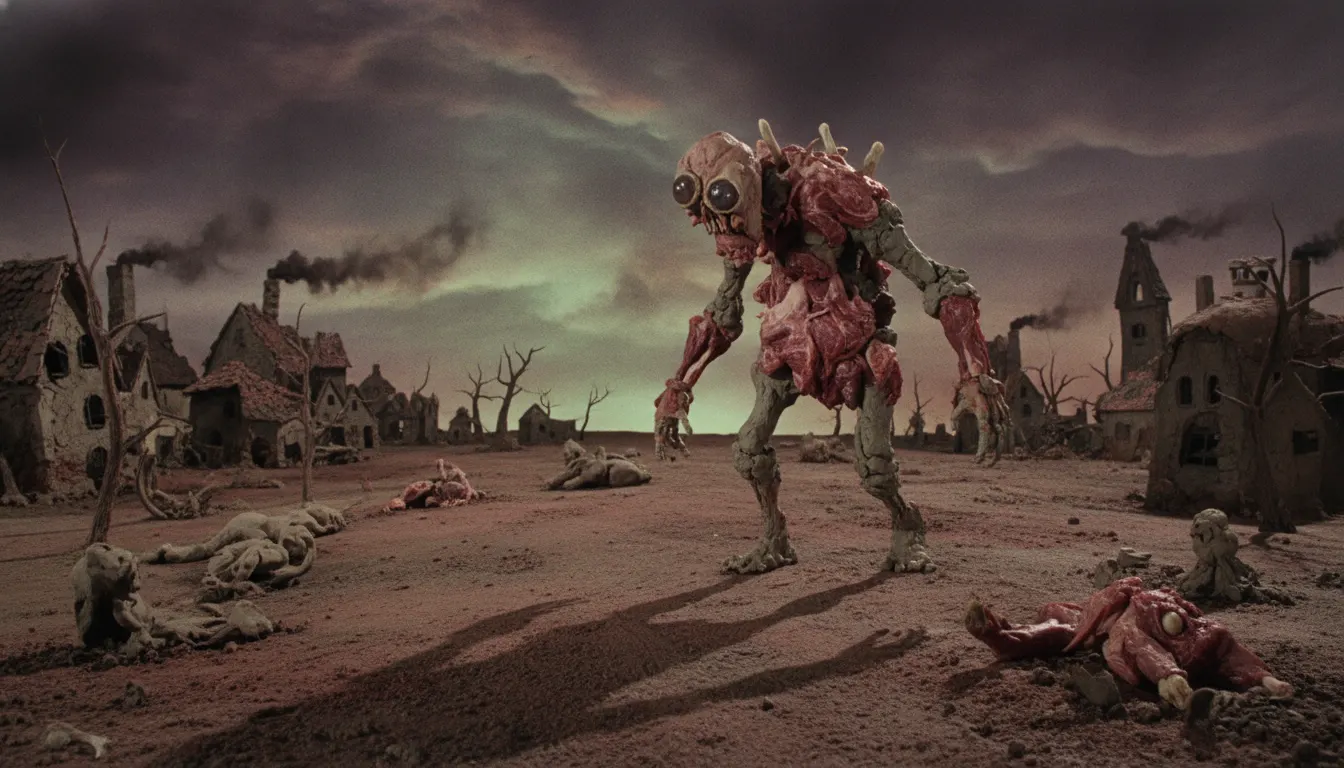
PIXILATION PEOPLE · 1980S · CZECH-REPUBLIC
Jan Svankmajer Surreal Pixilation
Jan Svankmajer Czech surrealist pixilation. Meat-and-clay grotesquerie, tactile object animation, dreamlike unease, Eastern European art-horror.
stop-motionsurrealgrotesqueart-horror
LUT svankmajer-meat-amber
WHEN TO USE
- Experimental or art film content exploring the boundary between the human body and objects
- Surrealist, uncanny, or psychologically unsettling content where human movement should appear unnatural
- Music videos where distorted human movement is a visual metaphor for psychological states
- Horror or dark fantasy content where the dehumanising quality of pixilation creates dread
- Fashion or art editorial content willing to engage with transgressive body imagery
- Animation history or film education content about avant-garde technique
WHEN NOT TO USE
- Family, children's, or general audience content -- Svankmajer's pixilation is disturbing by design
- Commercial or reassuring brand content where distorted human movement creates trust problems
- Comedy content expecting broad, accessible humour -- this look is severe and intellectually demanding
- Content requiring legible, natural human performance -- pixilation deliberately breaks naturalism
SIGNATURE TECHNIQUES
How the look is made.
The moves a human crew would use to get here. Cue applies them for you, and knowing their names is how you ask for a change.
- 01Frame
by-frame photography of human actors in slightly shifted positions creating unnatural movement rhythms
- 02Direct equivalence between human pixilation and object animation within the same scene
- 03Dehumanising or mechanical quality of pixilated movement as a philosophical statement
- 04Combination of pixilation with Czech puppet tradition, clay animation, and found-object animation
- 05Extreme close
ups of human bodies treated as textures and surfaces equivalent to objects
- 06Non
narrative image logic driven by Surrealist association rather than plot
- 07Sound design that amplifies physical material sounds over music or dialogue
HISTORY & CONTEXT
Where it comes from.
Jan Svankmajer Surreal Pixilation Look
Pixilation is a stop-motion technique in which human actors -- rather than puppets or objects -- are photographed frame by frame in slightly changed positions, creating movement that is impossible, jerky, or uncanny when played back. Jan Svankmajer (born 1934, Prague) is the most celebrated practitioner of pixilation in film history, using the technique throughout his career as one tool within his broader Surrealist-object animation practice.
Pixilation in Context
Svankmajer uses pixilation not as a gimmick but as a philosophical statement: the same stop-motion logic that animates dead objects in his work also 'animates' living humans, reducing them to the same status as the clay, food, and puppet materials around them. This equivalence -- between the animate and inanimate, the living and the object -- is central to Svankmajer's Surrealist worldview.
Dimensions of Dialogue (1982)
One of the greatest works in short animation history, Dimensions of Dialogue combines pixilation of human actors with clay animation across three thematic sequences exploring communication failure. The film was banned by Czechoslovak authorities after its completion and won numerous international festival awards. The third section, 'Passionate Discourse,' uses pixilation of human bodies in explicit combination with object animation in sequences of profound strangeness.
Punch and Judy (1966) and Early Work
Svankmajer's early work, including Punch and Judy (Rakvickarna, 1966) and Historia Naturae (Suita) (1967), establishes his approach to pixilation as part of a broader formal experiment with the boundaries between stop-motion and live action.
Alice and Feature Films
In Alice (1988) and subsequent features, Svankmajer uses pixilation selectively, primarily for moments where a live actor needs to move with the same uncanny quality as the stop-motion puppets and objects surrounding them. Alice herself is pixilated in certain sequences, making her appear to participate in the dream logic of the stop-motion world rather than occupying a separate physical register.
NOTABLE WORKS
Where you have seen it.
Punch and Judy / Rakvickarna (1966, dir. Jan Svankmajer, early pixilation work)
Historia Naturae (Suita) (1967, dir. Jan Svankmajer)
Alice / Neco z Alenky (1988, dir. Jan Svankmajer, pixilation of lead actor)
Faust / Lekce Faust (1994, dir. Jan Svankmajer, live-action/puppet/pixilation hybrid)
The Garden / Zahrada (1968, dir. Jan Svankmajer, live-action horror with pixilation elements)
THE RECIPE
The exact knobs
the renderer turns.
A Look is not a filter. It is a set of stored decisions the pipeline reads before it makes a single frame, so two videos in the same Look actually match.
SettingValue
GradeColour LUT applied to every frame
svankmajer-meat-amberTransitionHow one shot becomes the next
hard cuts · 120ms · linearKen BurnsCamera move applied to stills
Static framesTypographyDisplay / body / mono pairing
Playfair Display · Lora · CourierMusic moodWhat the bed under the voice sounds like
musique-concrete · detuned-piano-dronePrompt suffixAppended to every shot prompt in this Look
Jan Svankmajer Czech surrealist pixilation, meat and clay grotesquerie, tactile object animation, dreamlike unease, Eastern European art horrorPALETTE
Primary
#7A2A2A
Secondary
#3A1A1A
Accent
#5C5040
Text/Light
#1F0808
Text/Dark
#E0D8C5
BG 900
#0A0505
BG 800
#1A0808
RELATED LOOKS
Next to it on the shelf.
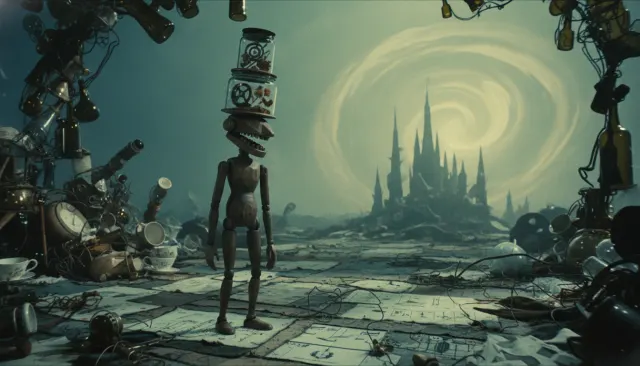 Traditional Puppet ExtendedCzech Svankmajer Surreal Puppet
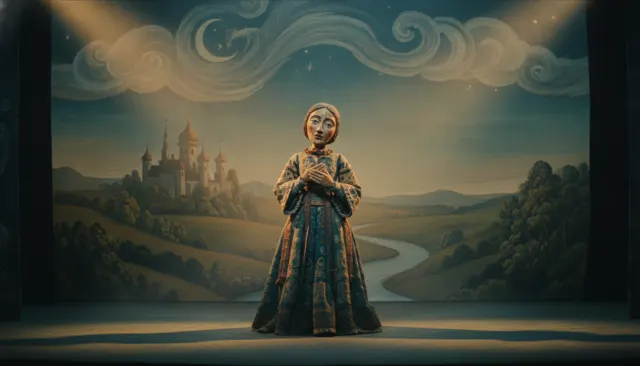 Puppet Stop MotionJiri Trnka Czech Puppet Classic
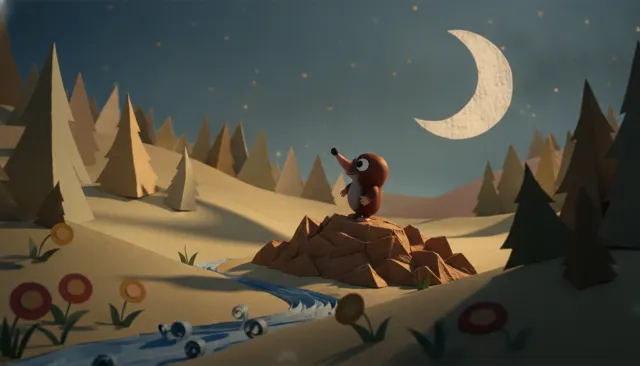 Traditional Puppet ExtendedCzech Bratri v Triku Classic
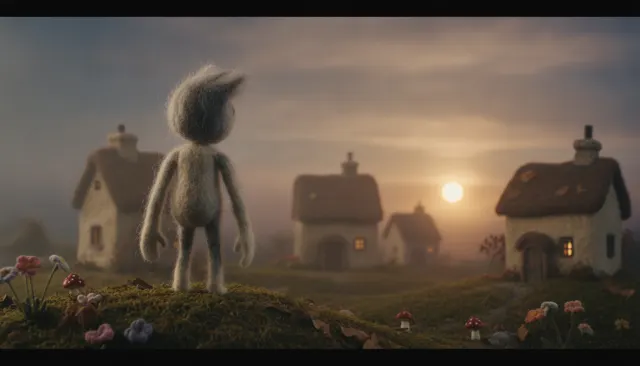 Felted Knitted TextileIn Shadow Felted Puppet
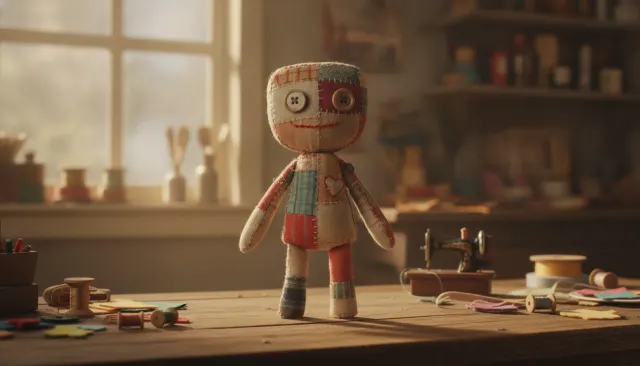 Felted Knitted TextileFabric Rag Doll Stop Motion
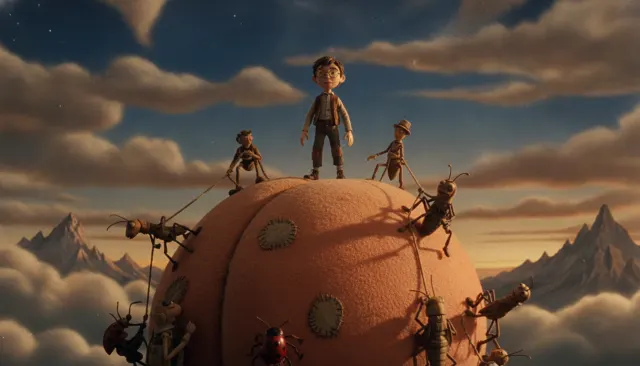 Puppet Stop MotionHenry Selick James and the Giant Peach
Your first cut
is on us.
+ New videoFree plan · no card · 1080p export