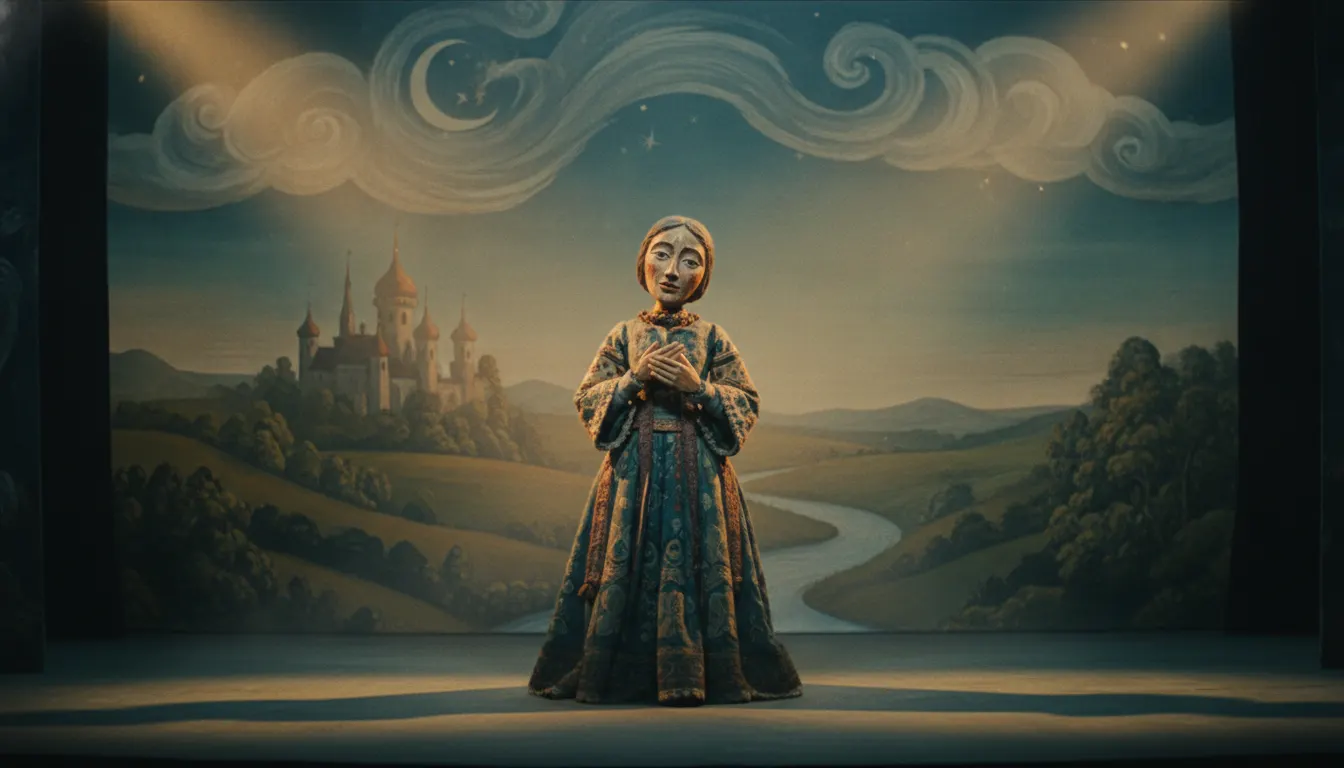
PUPPET STOP MOTION · 1950S · CZECH-REPUBLIC
Jiri Trnka Czech Puppet Classic
Jiri Trnka Czech wood-and-fabric puppet film. Soft-focus painterly stage, carved-face puppets, lyrical Eastern European art-cinema heritage.
stop-motionczechpainterlyart-cinema
LUT trnka-painterly-stage
WHEN TO USE
- Literary adaptation content that wants a European puppet theatre aesthetic rather than mainstream animation
- Adult dramatic animation where fixed-expression puppets create emotional depth through direction and light
- Content referencing Central European folk art, Romantic landscape painting, or Czech cultural heritage
- Artisan or cultural institution content where the history of craft animation is a value
- Political or allegorical content where puppet theatre's tradition of indirect commentary is appropriate
- Film festival or arts organisation content where the tradition of animation as serious art is the context
WHEN NOT TO USE
- Children's entertainment expecting bright colours and broad physical comedy -- Trnka is painterly and slow
- Commercial or brand content where the formal, grave aesthetic creates distance from consumer warmth
- Action or kinetic content -- Trnka's visual language is meditative, composed, and painterly
- Content requiring modern character expressiveness -- the fixed-expression wooden face is a very specific aesthetic choice
SIGNATURE TECHNIQUES
How the look is made.
The moves a human crew would use to get here. Cue applies them for you, and knowing their names is how you ask for a change.
- 01Carved and painted wooden puppet heads with fixed facial expressions
- 02Emotional communication entirely through body posture, camera angle, lighting, and narrative context
- 03Chiaroscuro lighting drawing on Dutch Golden Age painting traditions
- 04Central European folk art and Romantic landscape colour palette: ochre, deep blue, forest green
- 05Graphic artist's compositional eye applied to three
dimensional puppet staging
- 06Dreamlike atmospheric lighting for forest and fantastical environments
- 07Literary and poetic narrative structures adapted from Shakespeare, folk tales, and Czech literature
HISTORY & CONTEXT
Where it comes from.
Jiri Trnka Czech Puppet Classic Look
Jiri Trnka (1912-1969), working at Bratri v Triku in Prague, is the greatest figure in the history of Czech animation and one of the most important puppet animators in world cinema. Trained as a graphic artist and puppet theatre practitioner, Trnka created a body of work between 1946 and 1965 that established Czech puppet animation as a serious art form capable of carrying adult literary and political content.
Visual Philosophy
Trnka's puppets are carved from wood and painted rather than moulded from clay or cast in latex. Their faces are fixed in expression -- unlike Aardman's replacement-mouth system -- which means all emotional communication must occur through body posture, lighting, camera angle, and contextual narrative. This constraint became Trnka's central aesthetic achievement: his ability to convey complex emotional states through a puppet with a fixed wooden face is a masterclass in cinematic storytelling.
Painterly Visual Style
Trnka was also a celebrated illustrator and book designer, and his films carry a graphic artist's eye for composition. The colour palette of his 1950s works draws on the warm ochres, deep blues, and forest greens of Central European folk art and Romantic landscape painting. His use of light is closer to the chiaroscuro of 17th-century Dutch painting than to conventional animation lighting.
A Midsummer Night's Dream (1959)
Trnka's A Midsummer Night's Dream (Sen noci svatojanske) is his masterwork: a feature-length puppet film adaptation of Shakespeare's comedy that transforms the play into a visual poem of extraordinary beauty. The forest sequences, lit with a dreamlike amber-green light, remain among the most beautiful images in animation history.
The Hand (1965)
Trnka's final film, The Hand (Ruka), is a direct political allegory about artistic freedom under state control. A hand -- representing the Communist state -- repeatedly attempts to force a potter to create its image rather than his own work. The film's final image is among the most powerful in short animation history. It was banned after Trnka's death and is now considered a masterwork.
NOTABLE WORKS
Where you have seen it.
The Hand / Ruka (1965, dir. Jiri Trnka, Bratri v Triku, short, banned under Communism)
Prince Bayaya / Bajaja (1950, dir. Jiri Trnka, Bratri v Triku, feature)
The Czech Year / Spalicek (1947, dir. Jiri Trnka, Bratri v Triku, anthology feature)
Old Czech Legends / Stare povesti ceske (1953, dir. Jiri Trnka, Bratri v Triku, feature)
The Good Soldier Svejk / Osudy dobreho vojaka Svejka (1955, dir. Jiri Trnka, cel animation)
THE RECIPE
The exact knobs
the renderer turns.
A Look is not a filter. It is a set of stored decisions the pipeline reads before it makes a single frame, so two videos in the same Look actually match.
SettingValue
GradeColour LUT applied to every frame
trnka-painterly-stageTransitionHow one shot becomes the next
dissolve cuts · 420ms · ease-in-outKen BurnsCamera move applied to stills
Slow push · 0.025 · rule-of-thirdsTypographyDisplay / body / mono pairing
Cormorant · Lora · CourierMusic moodWhat the bed under the voice sounds like
eastern-european-folk · string-quartet-lyricPrompt suffixAppended to every shot prompt in this Look
Jiri Trnka Czech puppet film stop motion, carved wood face puppet, fabric costume, painterly stage backdrop, lyrical Eastern European art cinemaPALETTE
Primary
#5C3A2A
Secondary
#3A2418
Accent
#D4A574
Text/Light
#1F1208
Text/Dark
#F0DCB0
BG 900
#0F0805
BG 800
#1F1408
RELATED LOOKS
Next to it on the shelf.
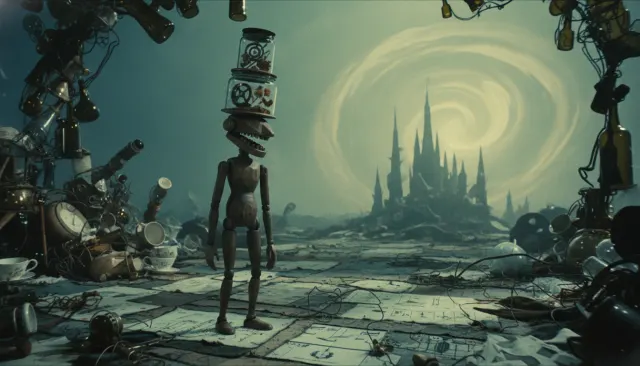 Traditional Puppet ExtendedCzech Svankmajer Surreal Puppet
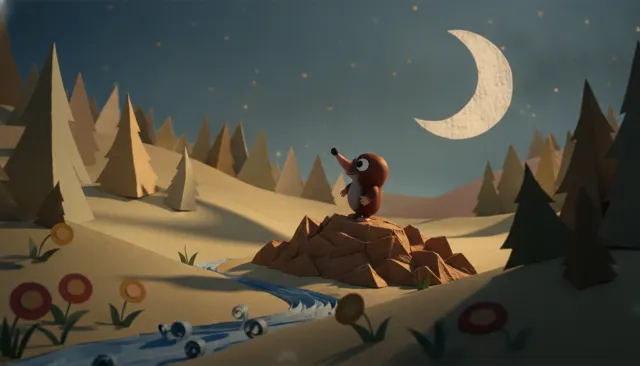 Traditional Puppet ExtendedCzech Bratri v Triku Classic
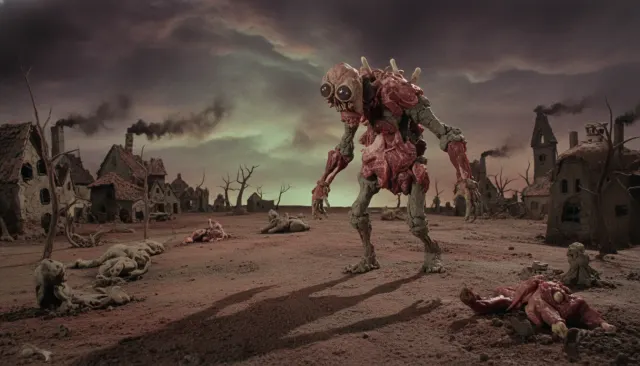 Pixilation PeopleJan Svankmajer Surreal Pixilation
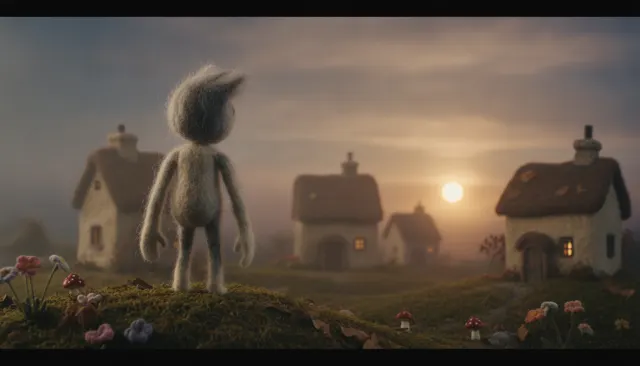 Felted Knitted TextileIn Shadow Felted Puppet
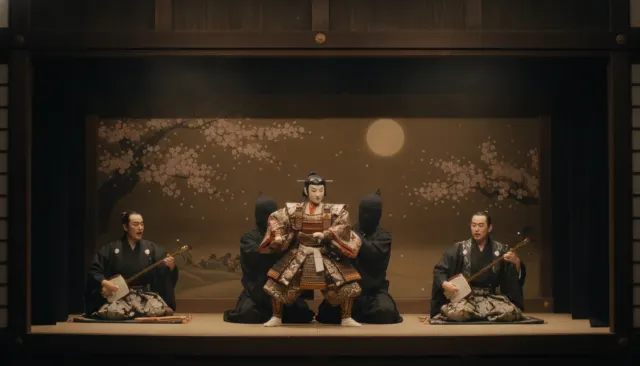 Traditional Puppet ExtendedJapanese Bunraku Puppet Tradition
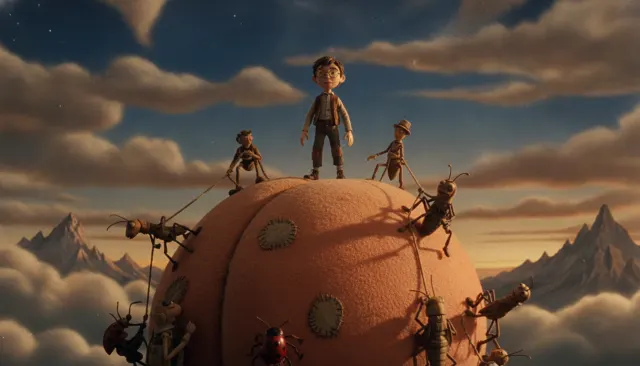 Puppet Stop MotionHenry Selick James and the Giant Peach
Your first cut
is on us.
+ New videoFree plan · no card · 1080p export