TRADITIONAL PUPPET EXTENDED · HISTORICAL · JAPAN
Japanese Bunraku Puppet Tradition
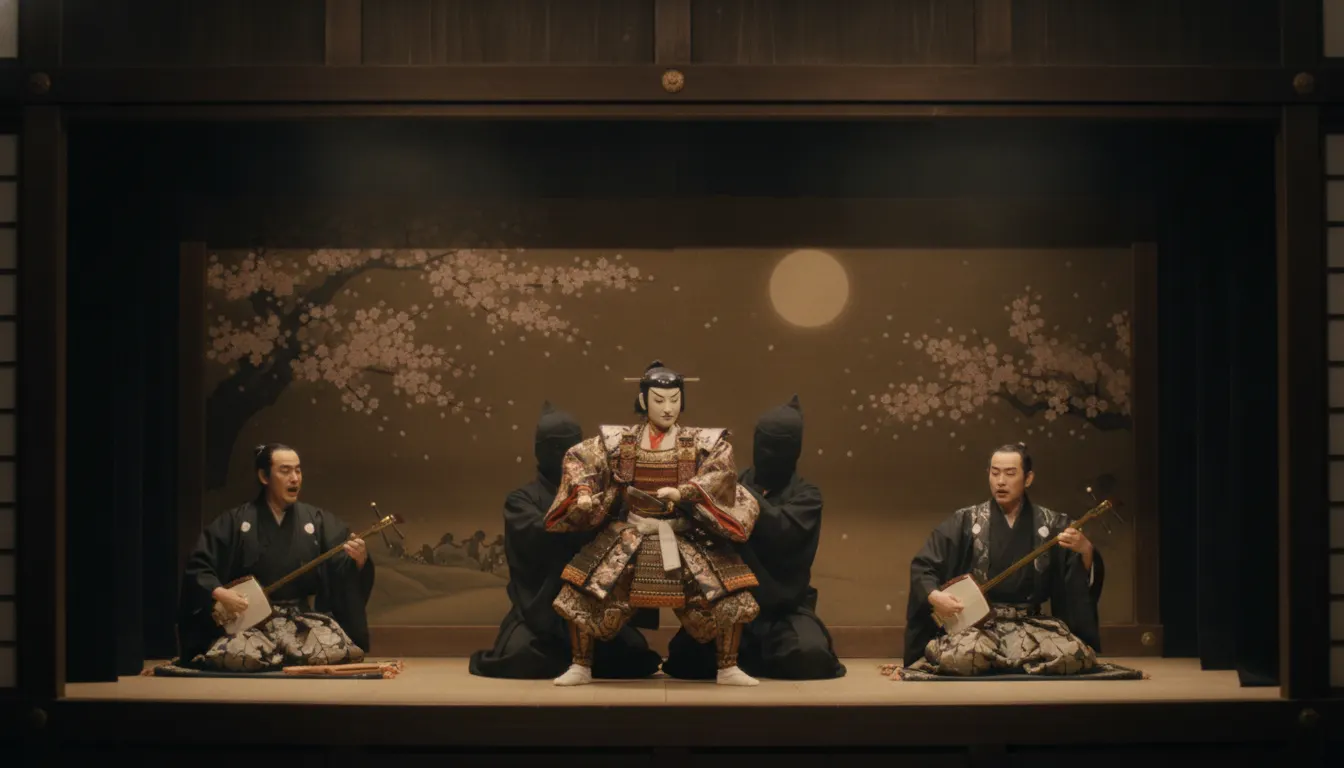
Japanese Bunraku traditional puppet theatre adapted to stop motion. Three-operator wood-and-silk puppet, kuroko black-clad puppeteers, shamisen-and-chanter tradition translated to frame-by-frame craft.
stop-motionjapanesetraditionaltheatrical
LUT bunraku-stage-crimson
WHEN TO USE
- Japanese cultural content, film or theatre festival material, or traditional art documentation
- High-concept theatrical or operatic content where the visible operator as performer convention is embraced
- Luxury fashion or editorial content referencing Japanese aesthetic traditions
- Museum, gallery, or performing arts content where historical depth is a value
- Brand content for Japanese products or brands where cultural heritage is a positioning asset
- Experimental performance content that wants to incorporate visible mechanism as aesthetic feature
WHEN NOT TO USE
- Mass-market entertainment content where the formal theatrical conventions require cultural context to read correctly
- Comedic or light-hearted content where Bunraku's grave, classical register creates tonal mismatch
- Children's content where the ornate and formal visual language is inappropriate for the audience
- Fast-paced content -- Bunraku's movement vocabulary is slow, formal, and deliberate
SIGNATURE TECHNIQUES
How the look is made.
The moves a human crew would use to get here. Cue applies them for you, and knowing their names is how you ask for a change.
- 01Three
operator visible puppet system: omozukai (head/right hand), hidarizukai (left hand), ashizukai (feet)
- 02Black
clad operators (kuroko) whose visible presence is a formal theatrical convention
- 03Highly detailed puppet heads (kashira) with lacquered faces, inlaid glass eyes, and human hair wigs
- 04Character type standardisation
distinct visual codes for class, gender, and moral role
- 05Three
level stage elevation system indicating character status
- 06Joruri narrative chanting and shamisen accompaniment as inseparable sonic context
- 07Classical Japanese landscape backdrop painting as environmental framing
HISTORY & CONTEXT
Where it comes from.
Japanese Bunraku Puppet Tradition Look
Bunraku is Japan's classical puppet theatre tradition, originating in Osaka in the late 17th century and reaching its mature form through the collaboration of playwright Chikamatsu Monzaemon (1653-1725) and the puppet theatre master Takemoto Gidayu (1651-1714). Recognised by UNESCO as an Intangible Cultural Heritage of Humanity since 2003, Bunraku combines three art forms: joruri (chanted narrative and song performed by a tayuu narrator), shamisen music, and the physical puppet performance itself.
The Three-Operator System
Bunraku's most visually distinctive characteristic is the visible operation system. Major characters require three operators working in precise coordination: the omozukai, who controls the head and right hand; the hidarizukai, who operates the left hand; and the ashizukai, who controls the feet. The operators dress in black (kuroko), and in classical performance the lead operator (omozukai) performs without a hood, their visible face becoming part of the performance's formal vocabulary.
Character Types and Costume
Bunraku characters are divided into distinct types -- male leads (tachiyaku), female leads (musume), villains (akuyaku), and comic characters -- each with standardised head designs, costume conventions, and movement vocabularies that have been refined over three centuries. Female character heads (kashira) are among the most beautiful objects in Japanese craft history, with lacquered faces, inlaid glass eyes, and wigs of human hair.
Stage Design
The Bunraku stage uses three-level staging: characters move at slightly different elevations according to class and narrative role. Painted backdrop scenery draws from classical Japanese landscape painting traditions. Seasonal imagery -- cherry blossom, autumn leaves, snow -- recurs as both decoration and narrative indicator.
Contemporary and Film Applications
Bunraku aesthetic has influenced puppet theatre globally and has been directly referenced in films, fashion, and performance art. The 2011 film Bunraku (dir. Guy Moshe) uses a heightened theatrical aesthetic referencing the tradition. Various contemporary performance artists, including theatre directors like Tadashi Suzuki, have incorporated Bunraku visual language into contemporary practice.
NOTABLE WORKS
Where you have seen it.
Chushingura / The Treasury of Loyal Retainers (1748, classic Bunraku programme)
National Bunraku Theatre, Osaka (est. 1984, primary venue for contemporary classical performance)
NHK Bunraku Broadcasts (television documentation of major productions, 1970s-present)
Bunraku (2011 film, dir. Guy Moshe, using Bunraku-influenced theatrical aesthetic)
THE RECIPE
The exact knobs
the renderer turns.
A Look is not a filter. It is a set of stored decisions the pipeline reads before it makes a single frame, so two videos in the same Look actually match.
SettingValue
GradeColour LUT applied to every frame
bunraku-stage-crimsonTransitionHow one shot becomes the next
soft cuts · 380ms · ease-in-outKen BurnsCamera move applied to stills
Slow push · 0.02 · centerTypographyDisplay / body / mono pairing
Cormorant · Lora · JetBrains MonoMusic moodWhat the bed under the voice sounds like
shamisen-and-chanter · gidayubushi-vocalPrompt suffixAppended to every shot prompt in this Look
Japanese Bunraku traditional puppet theatre stop motion, three operator wood silk puppet, kuroko black clad puppeteer, shamisen chanter tradition frame by framePALETTE
Primary
#A82A2A
Secondary
#5A1018
Accent
#1A1A1A
Text/Light
#2A0808
Text/Dark
#F5DCB8
BG 900
#0A0408
BG 800
#1A0810
RELATED LOOKS
Next to it on the shelf.
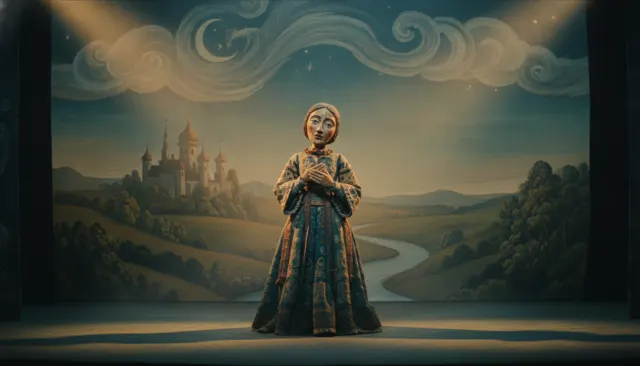 Puppet Stop MotionJiri Trnka Czech Puppet Classic
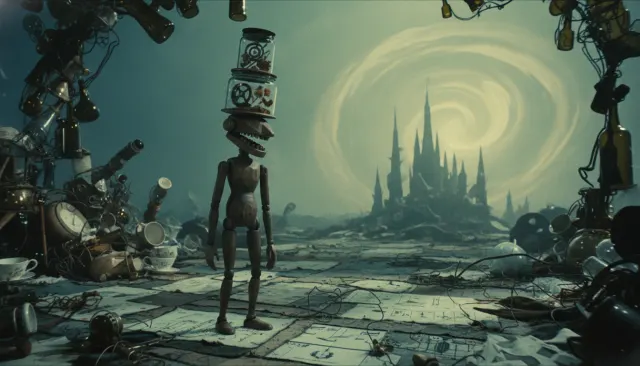 Traditional Puppet ExtendedCzech Svankmajer Surreal Puppet
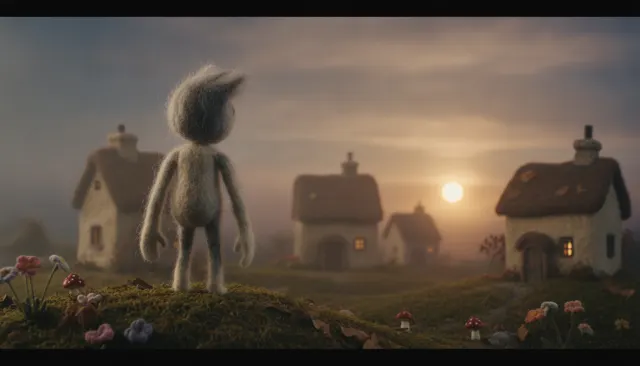 Felted Knitted TextileIn Shadow Felted Puppet
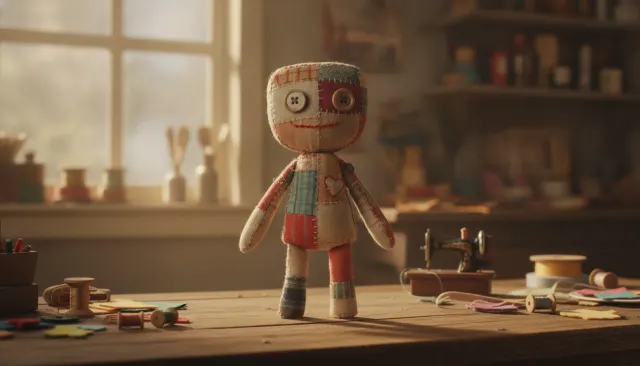 Felted Knitted TextileFabric Rag Doll Stop Motion
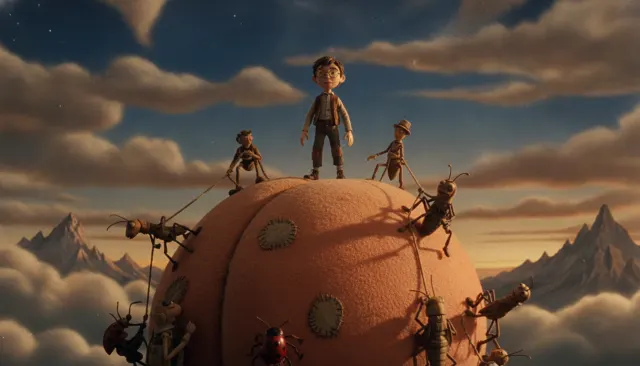 Puppet Stop MotionHenry Selick James and the Giant Peach
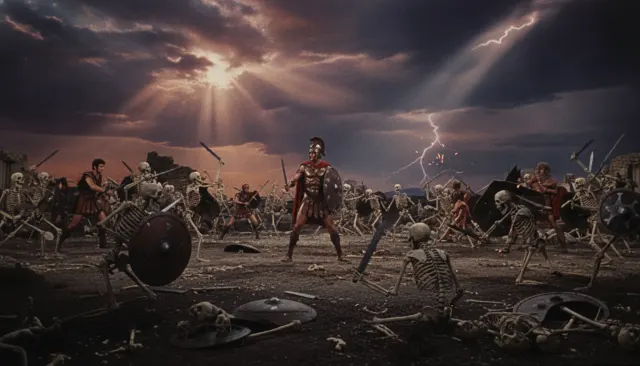 Harryhausen DynamationJason and the Argonauts Skeleton
Your first cut
is on us.
+ New videoFree plan · no card · 1080p export