Fire Emblem: Three Houses (Intelligent Systems / Koei Tecmo, 2019)
the defining reference
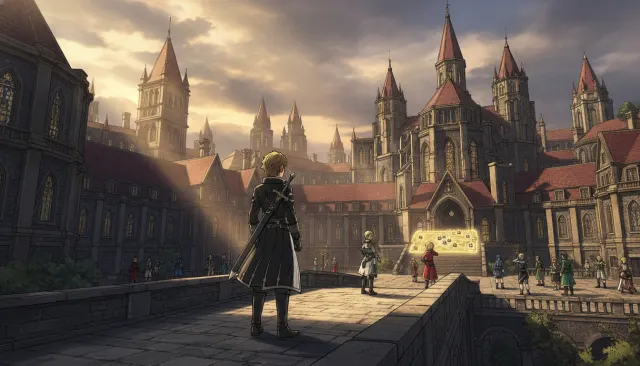
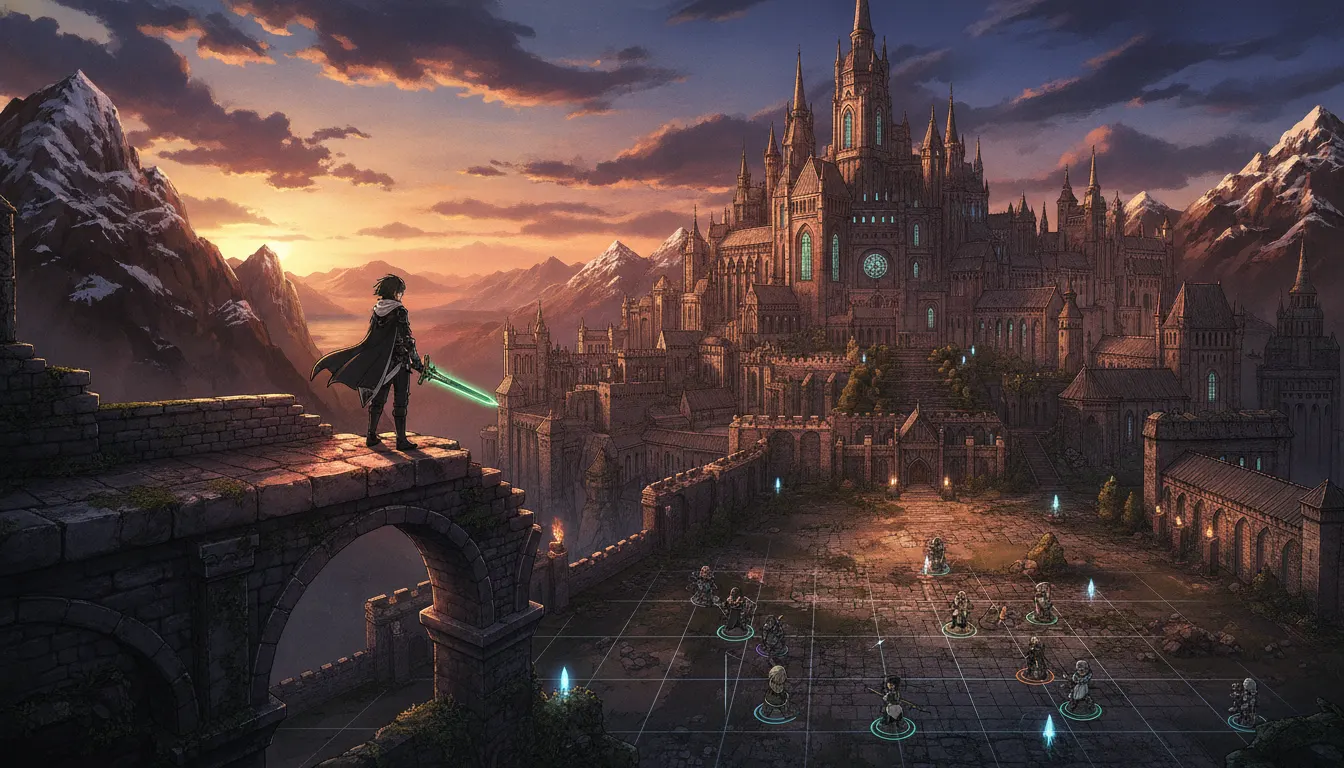
Fire Emblem Three Houses Intelligent Systems cel-shaded tactical aesthetic. Monastery Garreg Mach social-link scenes, Chinatsu Kurahana anime portraits, medieval house tactics.
The moves a human crew would use to get here. Cue applies them for you, and knowing their names is how you ask for a change.
shaded 3D characters with clean flat color areas and minimal shadow steps - typically 2 shade levels
faction color coding: crimson/black, royal blue/gold, amber/white as systematic visual identity
tall slender characters with distinctive hair-color personality signifiers
2D portraits, cel-shaded 3D gameplay, anime-studio cinematics in one experience
warm stone, stained glass, candlelight - fantasy European academic aesthetic
Fire Emblem: Three Houses (Intelligent Systems / Koei Tecmo, Nintendo Switch, 2019) represents a significant visual evolution for the long-running tactical RPG series, bringing cel-shaded 3D characters into a fully realized academy setting with social simulation elements that expanded the franchise's audience substantially. Character design was handled by Chinatsu Kurahana, known for her work on the Uta no Prince-sama visual novel series, bringing a distinctive shoujo-influenced sensibility to what had previously been a more traditionally masculine war-game franchise.
Kurahana's designs are defined by elegant, refined proportions - tall, slender characters with distinctive hair colors used as faction/personality signifiers, and large luminous eyes. Her influence shifted the series toward a more fashion-forward aesthetic: each student character has a distinct design identity that communicates personality, house affiliation, and narrative role simultaneously. This is character design as visual storytelling shorthand, maximized for an ensemble cast of over thirty recruitable students.
The Black Eagles (Edelgard's house) use crimson and black; the Blue Lions (Dimitri's house) use royal blue and gold; the Golden Deer (Claude's house) use amber and white. These three color identities permeate every aspect of the game's visual design - classroom interiors, unit uniforms, route-specific menu colors. The systematic color-faction mapping is one of the most effective examples of color as structural navigation in games.
The game's visual division between highly stylized anime-influenced character rendering and more realistically rendered environments creates a layered visual register common in Japanese games of this era. Character portraits in dialogue are 2D illustrations; in-game models are cel-shaded 3D; cinematic cutscenes use anime studio Polygon Pictures for fully animated sequences.
the defining reference
sequel with more saturated character designs
Kurahana's source visual novel work
parallel anime-influenced social simulation JRPG aesthetic
direct predecessor on 3DS
long-running anime cel-shaded JRPG parallel tradition
parallel Nintendo Switch anime JRPG
A Look is not a filter. It is a set of stored decisions the pipeline reads before it makes a single frame, so two videos in the same Look actually match.