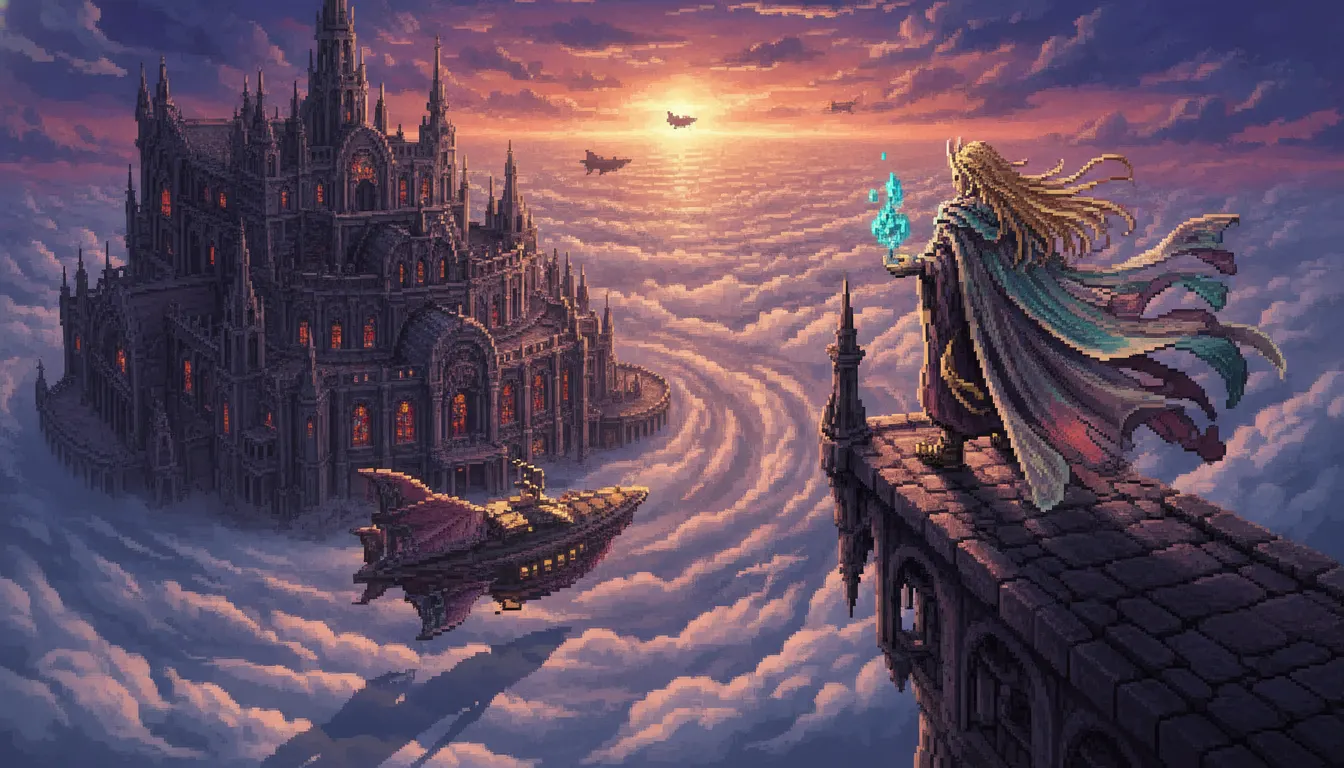
Final Fantasy VI (Square, 1994)
the defining reference
Final Fantasy VI SNES 16-bit pixel JRPG aesthetic. Yoshitaka Amano illustration influence, Mode 7 airship overworld, Kefka opera-house dramatic Square pixel peak.
The moves a human crew would use to get here. Cue applies them for you, and knowing their names is how you ask for a change.
artist pipeline: Amano watercolor-ink concept art to Shibuya pixel translation, each with full artistic integrity
color sub-palette sprites with deliberate hue selection emphasizing harmony over saturation
4 independent depth layers in towns and dungeons
world ends, empire arrives - color changes signal narrative escalation
Final Fantasy VI (Square, 1994) - released in North America as Final Fantasy III - represents the absolute peak of 16-bit JRPG art direction and remains one of the most visually accomplished pixel art games ever made. Two artists define its visual identity: Yoshitaka Amano, whose ethereal watercolor-influenced concept art established the game's character and world aesthetic, and Kazuko Shibuya, the pixel artist responsible for translating Amano's impressionistic illustrations into playable sprite form.
Amano's illustration style - flowing, delicate, using thin ink lines and watercolor washes with rich symbolic color - had been the visual DNA of Final Fantasy since the original 1987 NES game. For FFVI, his work reached full artistic maturity: Terra's iconic magicite-transformed form, the opera scene illustration, Kefka's clown-villain design. These illustrations are among the finest fantasy art of the 20th century regardless of their game context, and their translation to pixel form is a remarkable bridge between fine art and functional game design.
Shibuya faced the challenge of making Amano's fluid, line-free, organic illustrations into functional pixel sprites that could animate, convey emotion, and be readable in both the main game view and larger battle sprites. The solutions she developed - selective pixel antialiasing, careful shadow placement within a 16-color palette, deliberate animation priorities - are studied by pixel artists to this day. Character sprites in battle are roughly 48x48 pixels; field sprites much smaller; each required entirely different design strategies.
The game used Mode 7 texture mapping for the overworld map sequences, creating the illusion of 3D perspective on the SNES's 2D hardware. This technique - rotating and scaling a flat texture plane - was a defining visual of the SNES era. The FFVI overworld's Mode 7 presentation, combined with the dramatic Magitek Armor opening, constituted one of the most impressive technical displays on the hardware.
Uniquely among Final Fantasy titles, FFVI's world has an industrial-era aesthetic - the Empire uses Magitek machinery, trains, and factories. Pixel artist Tetsuya Nomura (later character designer for FFVII and Kingdom Hearts) contributed to designing this mechanical aesthetic, creating a distinct visual fusion of high fantasy and industrial revolution that influenced the entire steampunk fantasy subgenre.
the defining reference
SNES JRPG foundation preceding FFVI
parallel SNES JRPG peak same studio same year
PS1 successor transitioning to 3D
HD-2D revival explicitly honoring this aesthetic
tactical RPG HD-2D continuation
official aesthetic revisit
A Look is not a filter. It is a set of stored decisions the pipeline reads before it makes a single frame, so two videos in the same Look actually match.
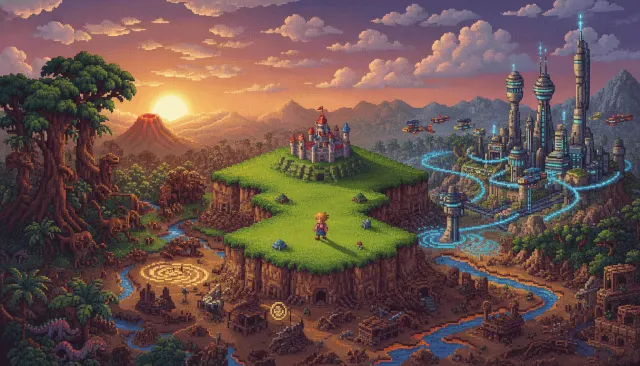 Pixel Era 8Bit 16BitChrono Trigger JRPG Pixel
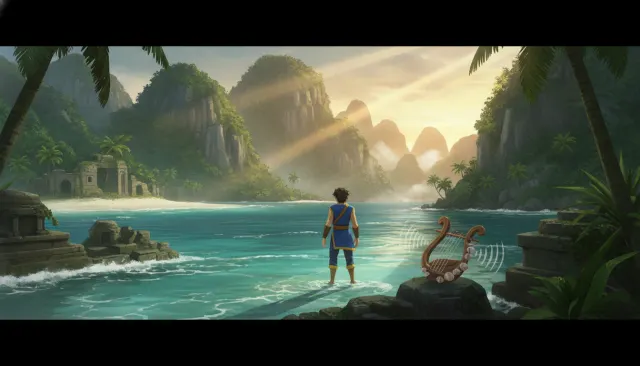 Jrpg ExtendedChrono Cross PS1 Mid-Poly
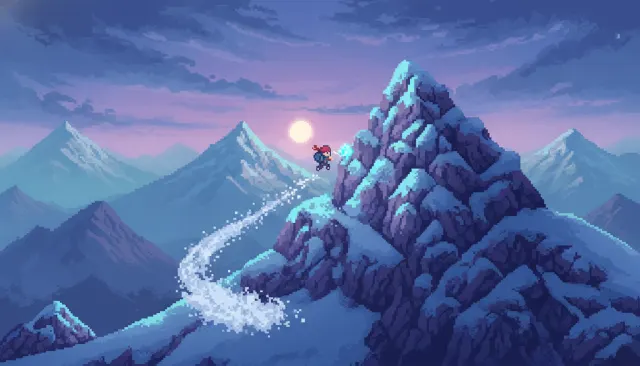 Pixel Modern IndieCeleste Mountain Pixel
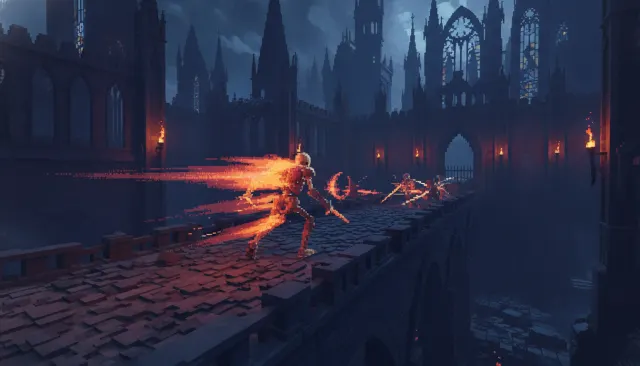 Pixel Modern IndieDead Cells Pixel Roguelike
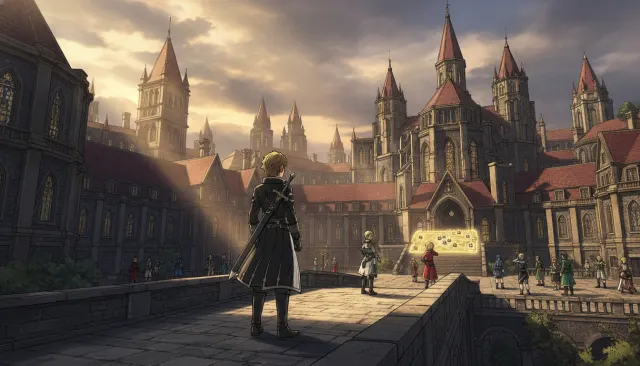 Jrpg ExtendedFire Emblem Three Houses Cel-Shaded JRPG
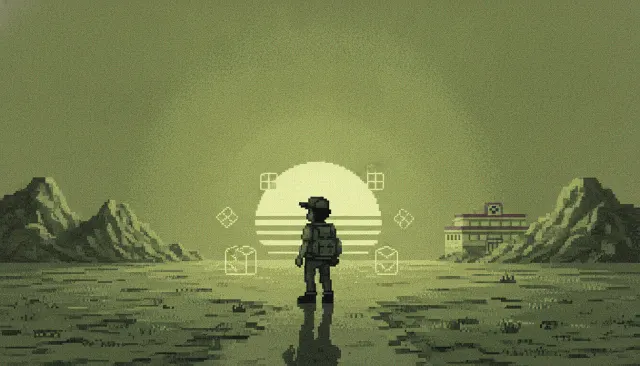 Pixel Era 8Bit 16BitGame Boy Monochrome 4-Color
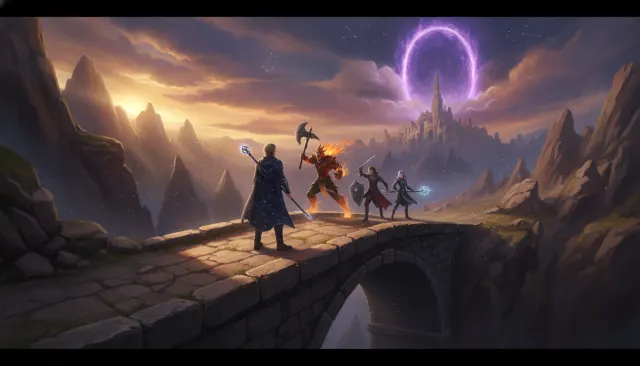 Aaa Cinematic ExtendedBaldurs Gate 3 Cinematic RPG