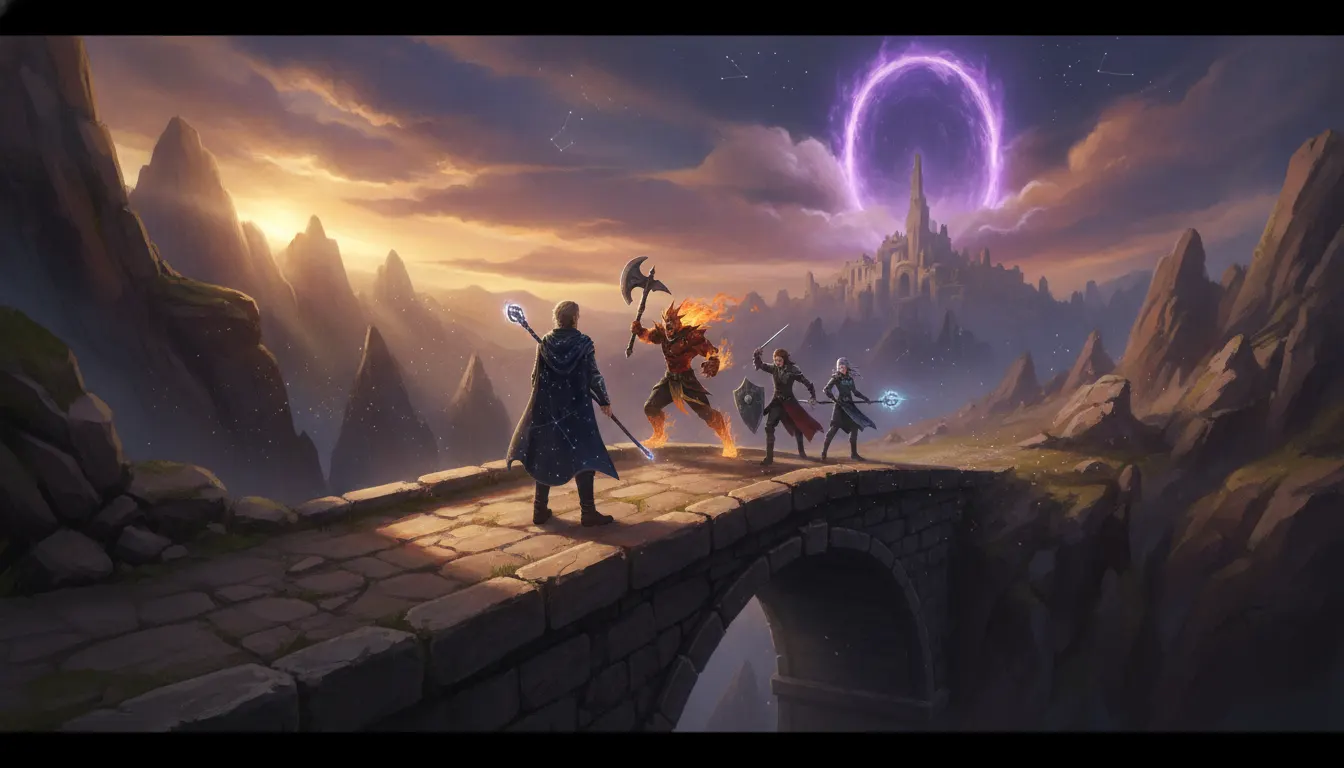
Baldur's Gate 3 (Larian Studios, 2023)
the defining reference
Baldurs Gate 3 Larian Studios cinematic RPG aesthetic. D&D 5e Forgotten Realms, full-VO cinematic dialog camera, painterly fantasy with party companion choreography.
The moves a human crew would use to get here. Cue applies them for you, and knowing their names is how you ask for a change.
based environmental color grading with each region having a dominant cinematic hue identity
campfires, magical auras, torches as key lights
angle hero shots borrowed directly from film cinematography
capture facial performance with subsurface skin scattering for emotional authenticity
of-field for intimacy - shallow focus pulls in conversation scenes to direct emotional attention
Larian Studios' Baldur's Gate 3 (2023) represents the culmination of a decade-long push toward cinematic presentation in isometric and hybrid-camera RPGs. Where the original Baldur's Gate (BioWare, 1998) used pre-rendered backgrounds and top-down perspective, Larian's interpretation draws on the full toolkit of contemporary game cinematography - dynamic cameras, motion-captured facial performance, painterly naturalistic environments, and theatrical lighting design borrowed from prestige television.
Environments in BG3 occupy a specific territory between photorealism and fantasy illustration. Textures are rich and detailed but run through artistic filters that emphasize brushwork and intentional color grading. The Underdark glows with bioluminescent blues and purples; the Emerald Grove uses dappled forest greens and warm amber firelight; the Shadow-Cursed Lands drain to near-monochromatic purple-grey. Each region has a dominant color identity that reads cinematically rather than naturalistically.
The game's Cinematic Director Gregory Louden oversaw thousands of individual cutscene setups, applying real film framing principles: Dutch angles for unease, low angles to convey power, intimate close-ups during emotional beats. Characters are lit with practical light sources supplemented by motivated fill - a campfire might be the key light for a conversation scene. This is closer to prestige HBO drama production design than traditional game cutscenes.
Race and class designs honor D&D 5th edition visual canon while pushing toward movie-quality facial fidelity. Mo-cap performances from actors including Neil Newbon (Astarion) and Jennifer English (Shadowheart) ground the fantasy character designs in naturalistic emotional expression, creating the 'uncanny authenticity' that made the game's companion relationships culturally resonant.
Gold, deep crimson, arcane purple, and candlelit amber are the palette pillars, with corruption and evil signaled by sickly green-black ichor tones. This color vocabulary is deeply embedded in D&D's forty-year visual tradition and immediately readable to the genre's audience.
the defining reference
originating series
Larian's preceding cinematic RPG
parallel prestige RPG cinematics
dark fantasy RPG visual lineage
parallel dark fantasy world-building
CRPG cinematic adjacent
A Look is not a filter. It is a set of stored decisions the pipeline reads before it makes a single frame, so two videos in the same Look actually match.
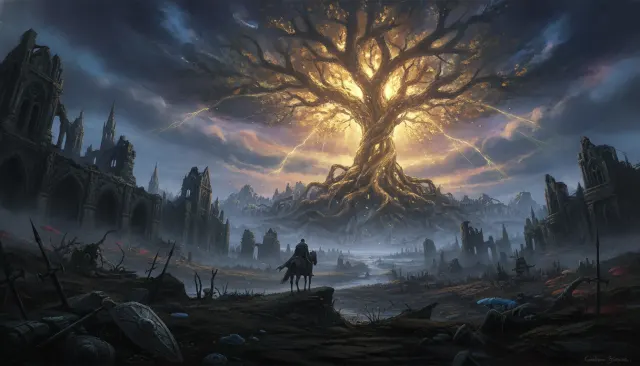 Aaa Cinematic ExtendedElden Ring Dark Souls Painterly Fantasy
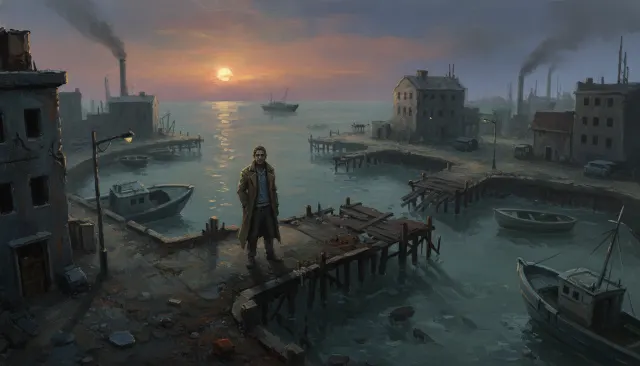 Indie StylizedDisco Elysium Painted RPG
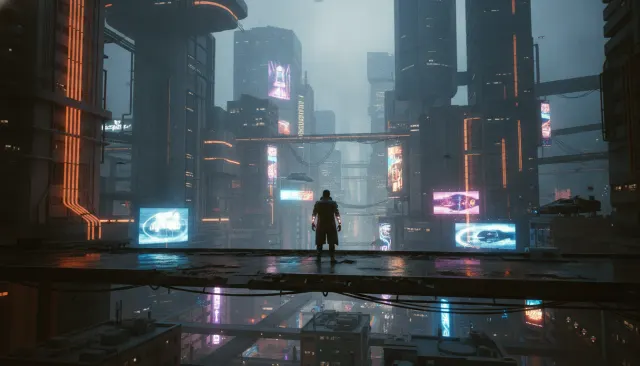 Aaa CinematicCyberpunk 2077 Neon Night City
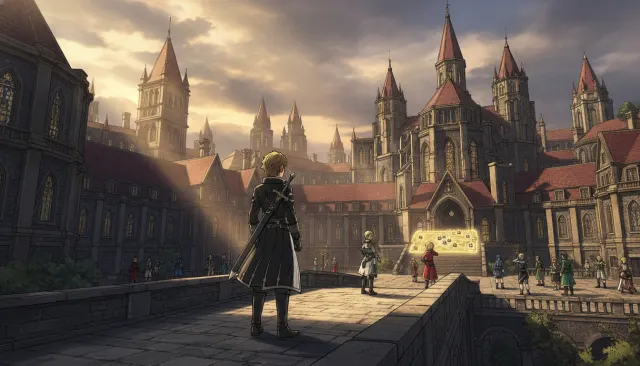 Jrpg ExtendedFire Emblem Three Houses Cel-Shaded JRPG
 Pixel Era 8Bit 16BitChrono Trigger JRPG Pixel
 Illustrators NamedBoris Vallejo Fantasy Heroic
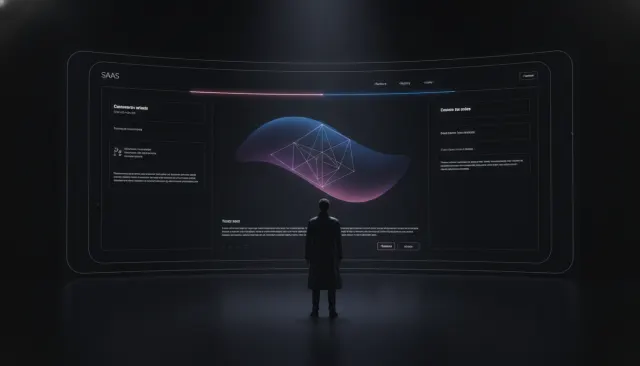 Web EraDark Mode SaaS 2024