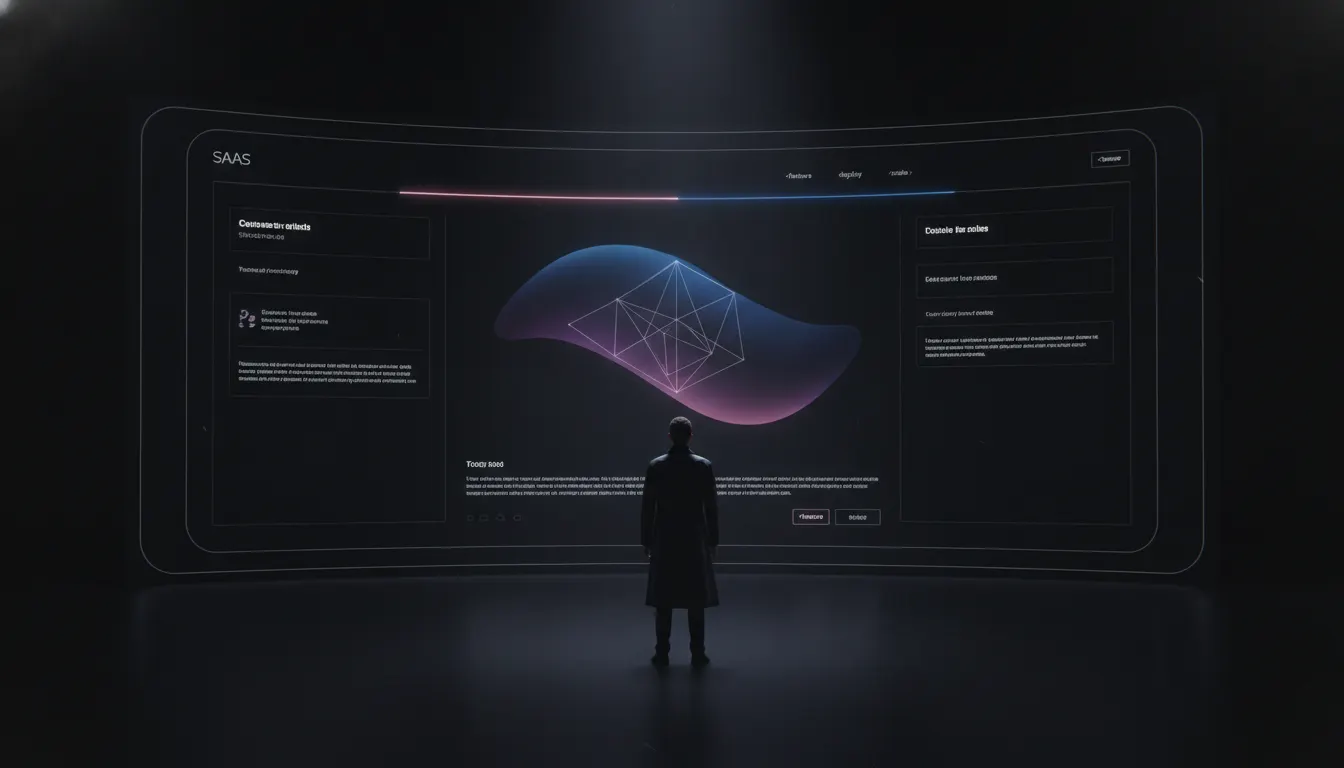
WEB ERA · CONTEMPORARY · GLOBAL
Dark Mode SaaS 2024
Modern dark-mode SaaS landing. Linear and Vercel aesthetic, near-black bg, hairline borders, gradient brand accent, monospace tags, geometric sans.
dark-modemodern-saaslinear-vercelgradient-accent
LUT dark-mode-saas-2024
WHEN TO USE
- SaaS, developer tool, or infrastructure product marketing and launch content
- AI product demos and promotional videos where dark backgrounds make UI elements pop
- Tech startup pitch decks and investor presentations positioning for the 2024 market
- Tutorial content for developer tools where the dark IDE aesthetic is expected
- Brand identity for B2B products targeting software engineers and technical teams
- Any product in the data, AI, or infrastructure space wanting to signal technical credibility
WHEN NOT TO USE
- Consumer products targeting non-technical audiences where the dark aesthetic reads as intimidating
- Health, wellness, or lifestyle brands where darkness undercuts warmth
- Any context requiring maximum legibility, particularly print or presentations in bright rooms
- Brands that need to differentiate from the crowded SaaS dark-mode space in 2024+
SIGNATURE TECHNIQUES
How the look is made.
The moves a human crew would use to get here. Cue applies them for you, and knowing their names is how you ask for a change.
- 01Near
black base (#0a0a0a to #1c1c1e) with elevated surface layers in lighter grays
- 02Electric purple, blue, or teal as the primary accent color on dark fields
- 03Gradient mesh blob backgrounds
soft radiating color pools at low opacity
- 04Glassmorphism cards
translucent panels with blur, border, and inner glow
- 05Inter or geometric sans
serif in white/gray text on dark fields
- 06Particle field or grid
line overlays suggesting technical precision
- 07UI screenshot presentations with glowing borders on dark floating panels
HISTORY & CONTEXT
Where it comes from.
Dark Mode SaaS 2024
The dark mode SaaS aesthetic of the mid-2020s represents the maturation of the dark interface trend that began gaining mainstream adoption with macOS Mojave's dark mode option in 2018. What had been a developer preference and accessibility accommodation became a primary design direction for a generation of B2B and developer-tool products - then migrated into the visual language of startup landing pages and marketing materials.
From Utility to Identity
The shift from functional dark mode (reduced eye strain, better in low-light environments) to aesthetic dark mode happened between 2020 and 2022. Products like Linear (project management, 2019), Vercel (deployment platform, 2019), and Raycast (productivity tool, 2020) built dark-first interfaces where the dark palette was the premium, thoughtful choice - the light mode was the legacy fallback. Framer, the design tool, rebuilt its entire product around a dark interface in 2021.
These products developed a shared vocabulary: near-black gray as the base (#0a0a0a to #1a1a1a range, warmer or cooler depending on brand), elevated surfaces in lighter grays with subtle borders, and electric accent colors - typically purple (Vercel, Loom), electric blue (Linear, Raycast), or neon green (for developer-terminal associations). Typography was typically Inter or a custom geometric sans-serif in white and gray scale.
Gradient Mesh and Glassmorphism
By 2022-2023, landing pages for dark-mode SaaS products added gradient mesh backgrounds - soft blobs of purple, blue, and teal color radiating from behind product screenshots in a style that suggested ambient light without literal light sources. The technique created visual depth while maintaining the dark base. Glassmorphism elements (see the separate look) - translucent frosted-glass panels over gradient backgrounds - layered on top.
Particle fields, grid line backgrounds, and 'aurora borealis' gradient effects became almost universal on the landing pages of developer tools, AI products, and infrastructure companies by 2024. Products like Stripe, GitHub's newer features, and the wave of AI-infrastructure startups (Replicate, Modal, Baseten) all deployed variations of this vocabulary.
The Saturation Point
By 2024, the aesthetic has become so associated with a particular kind of VC-backed developer tool that it risks reading as generic. Design-forward products are beginning to differentiate through warmer palettes, more distinctive illustration styles, or deliberately light interfaces as counterpoint.
NOTABLE WORKS
Where you have seen it.
Vercel.com landing page design evolution (2020-present)
Raycast productivity tool interface design (2020-present)
Framer dark-first redesign
2021
Stripe dark dashboard and API documentation
GitHub Copilot and GitHub Universe 2022-2023 marketing materials
Replicate.com and Modal.com AI infrastructure landing pages (2023-2024)
THE RECIPE
The exact knobs
the renderer turns.
A Look is not a filter. It is a set of stored decisions the pipeline reads before it makes a single frame, so two videos in the same Look actually match.
SettingValue
GradeColour LUT applied to every frame
dark-mode-saas-2024TransitionHow one shot becomes the next
soft cuts · 200ms · ease-in-outKen BurnsCamera move applied to stills
Static framesTypographyDisplay / body / mono pairing
Inter · Inter · JetBrains MonoMusic moodWhat the bed under the voice sounds like
cinematic-electronic · product-launch-synthPrompt suffixAppended to every shot prompt in this Look
Modern dark-mode SaaS landing 2024, Linear Vercel aesthetic, near-black background, hairline borders, gradient brand accent, monospace tags, geometric sansPALETTE
Primary
#0A0A0F
Secondary
#1A1A24
Accent
#7C3AED
Text/Light
#0A0A0F
Text/Dark
#E4E4E7
BG 900
#0A0A0F
BG 800
#15151E
RELATED LOOKS
Next to it on the shelf.
Your first cut
is on us.
+ New videoFree plan · no card · 1080p export