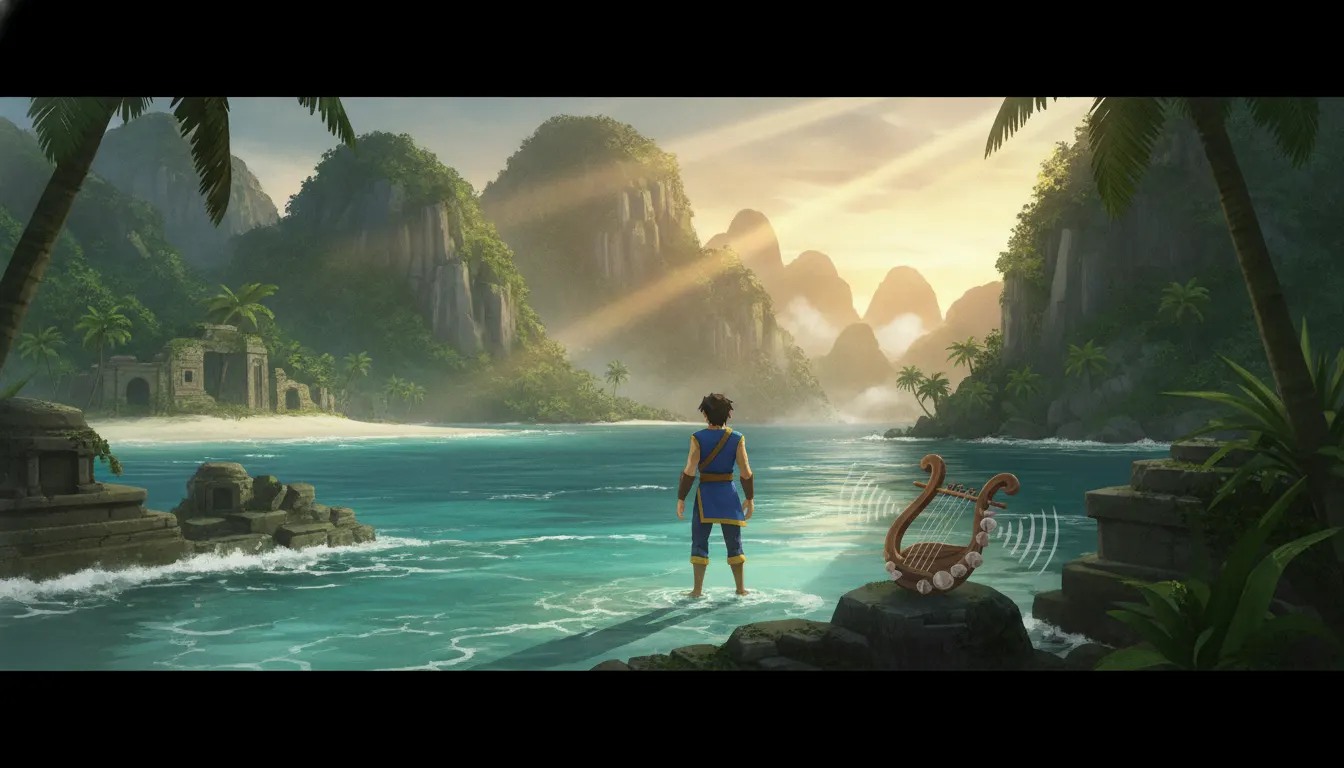
Chrono Cross (Square, 2000)
the defining reference
Chrono Cross PS1 mid-poly JRPG aesthetic. Pre-rendered tropical El Nido backgrounds, 3D character on 2D backdrop, Yasunori Mitsuda island-instrument score.
The moves a human crew would use to get here. Cue applies them for you, and knowing their names is how you ask for a change.
polygon (300-800 poly) character models with visible faceting on rounded surfaces
rendered 2D backgrounds with painterly environmental detail impossible in real-time
shaded or Gouraud-shaded character surfaces with limited texture maps
rendered background perspective
proportion character design: enlarged eyes, stylized proportions, minimal facial polygon detail
PS1 texture mapping without perspective correction creates distinctive wobble
Chrono Cross (Square, 2000) occupies a fascinating transitional moment in game visual history - the first PlayStation era when 3D geometry was technically possible but polygon budgets remained extremely low. Directed by Masato Kato and art directed by Yasuyuki Honne, with character designs by Nobuteru Yuki, the game placed low-polygon 3D character models atop lushly painted pre-rendered 2D backgrounds, creating a distinctive layered visual aesthetic that feels both technically limited and artistically intentional.
PS1-era mid-poly characters typically used 300-800 polygons per figure - enough to suggest human anatomy but not enough for smooth curves. This resulted in faceted, angular models where joints appear as visible creases and faces have chiseled, slightly geometric planes. Nobuteru Yuki's character designs (whose work also appears on Record of Lodoss War, 1990) translate from flat illustration into 3D with a distinctive anime-influenced proportion: large eyes, elongated limbs, minimalist facial detail.
The visual tension in Chrono Cross comes from layering sharp-edged 3D characters against pre-rendered backgrounds that could depict enormous painted detail - stone textures, ocean reflections, jungle foliage - impossible in real-time 3D at the time. This technique (also used in Final Fantasy VII-IX, Square, 1997-2000) created beautiful environments at the cost of fixed camera angles. The contrast between rendered-background richness and polygon-limited character is now a distinct nostalgic quality.
The game's Caribbean-esque setting (El Nido archipelago) drove a warm, tropical color palette - turquoise oceans, golden sand, verdant greens, sunset oranges - that distinguished it from darker JRPG contemporaries. Yoshitaka Hirota and Yasunori Mitsuda's musical direction reinforced this color identity with acoustic, organic tonality.
The late-PS1 era aesthetic carries strong Y2K associations: the optimistic, slightly naive technological ambition of games straining against hardware limits, rendered in colors that feel simultaneously dated and warmly familiar to anyone who grew up with the PlayStation.
the defining reference
spiritual predecessor on SNES
parallel PS1 mid-poly + pre-rendered pioneering
more realistic PS1 proportions same engine
parallel philosophical JRPG on PS1
same-era Square technical showcase
2D/3D hybrid adjacent at same moment
A Look is not a filter. It is a set of stored decisions the pipeline reads before it makes a single frame, so two videos in the same Look actually match.
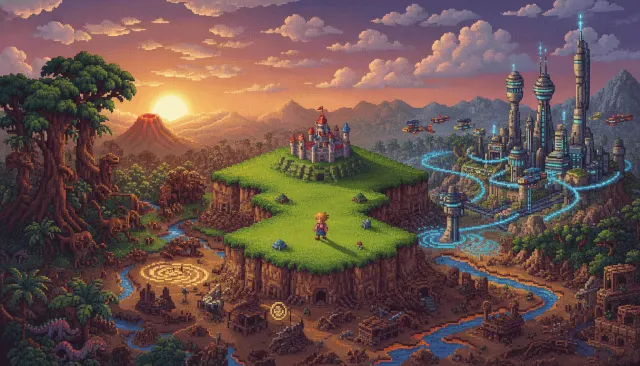 Pixel Era 8Bit 16BitChrono Trigger JRPG Pixel
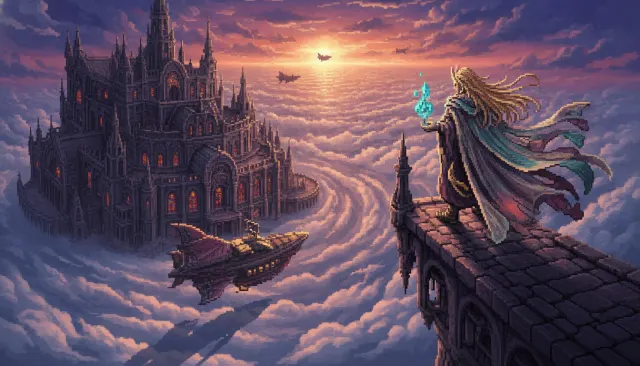 Jrpg ExtendedFinal Fantasy 6 SNES 16-Bit Pixel
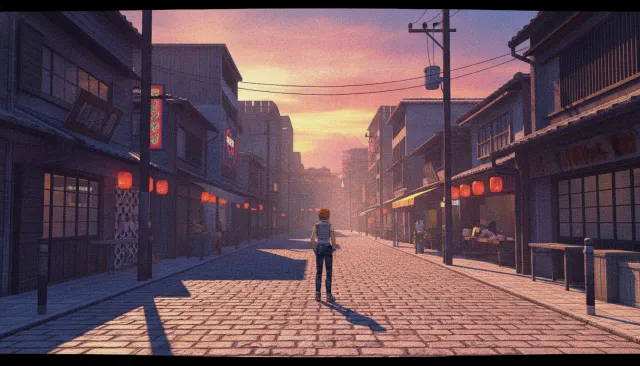 Low Poly 3D ErasDreamcast Early 3D
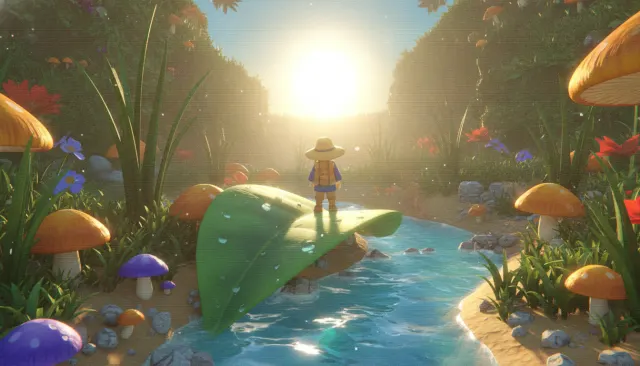 Low Poly 3D ErasGameCube Bright Cel
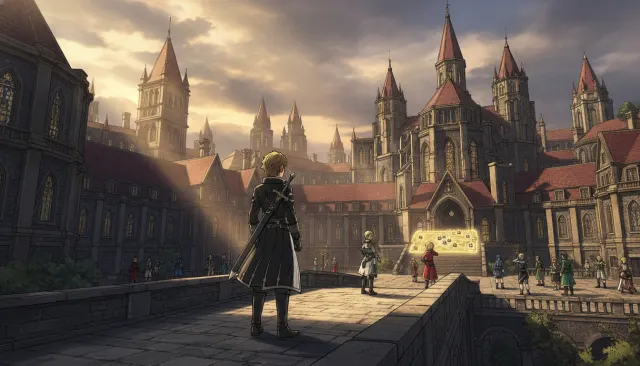 Jrpg ExtendedFire Emblem Three Houses Cel-Shaded JRPG
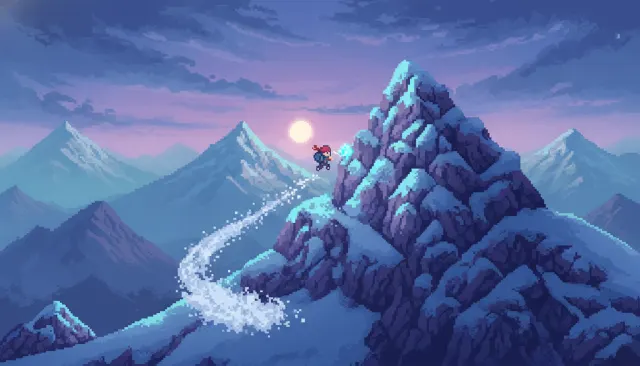 Pixel Modern IndieCeleste Mountain Pixel
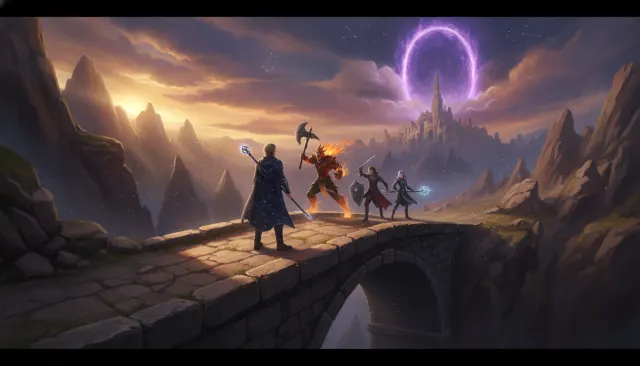 Aaa Cinematic ExtendedBaldurs Gate 3 Cinematic RPG