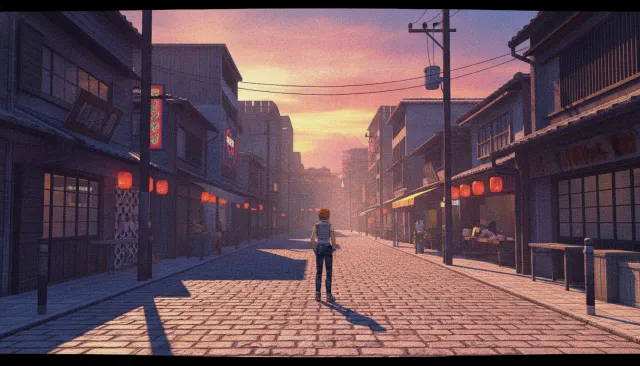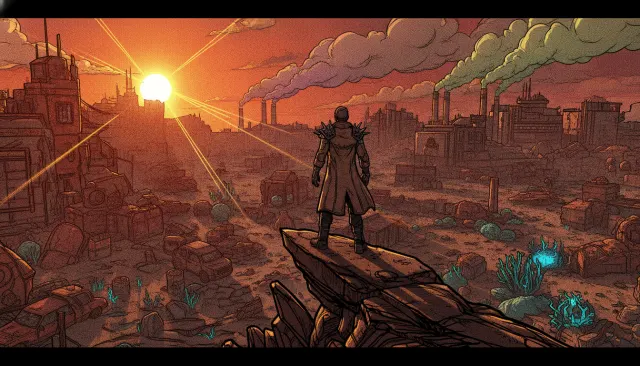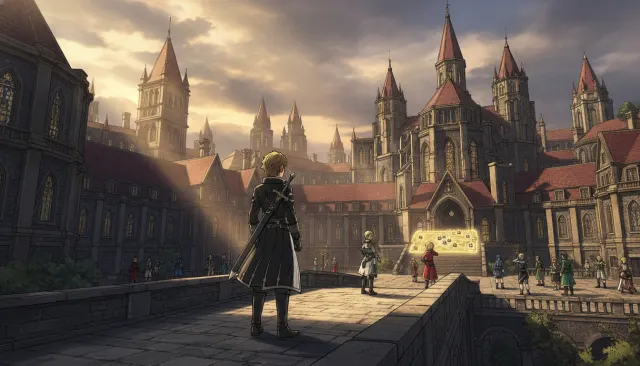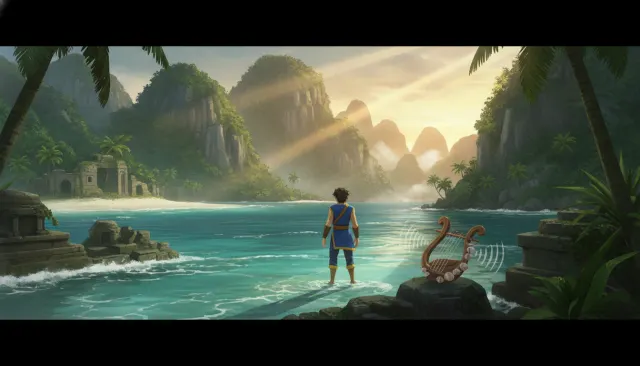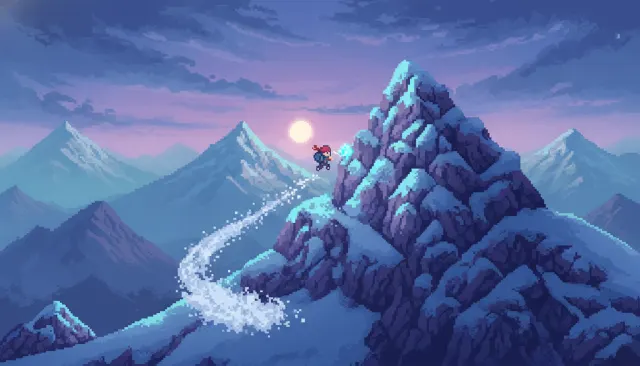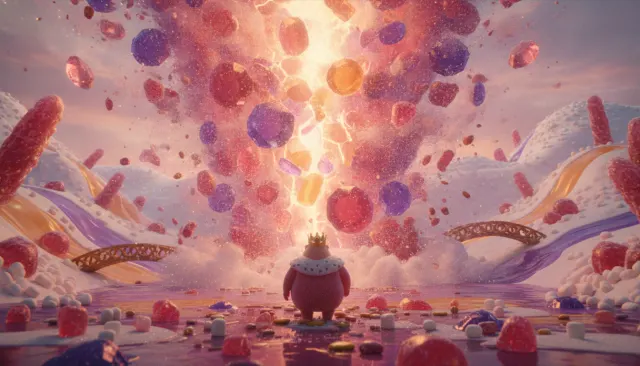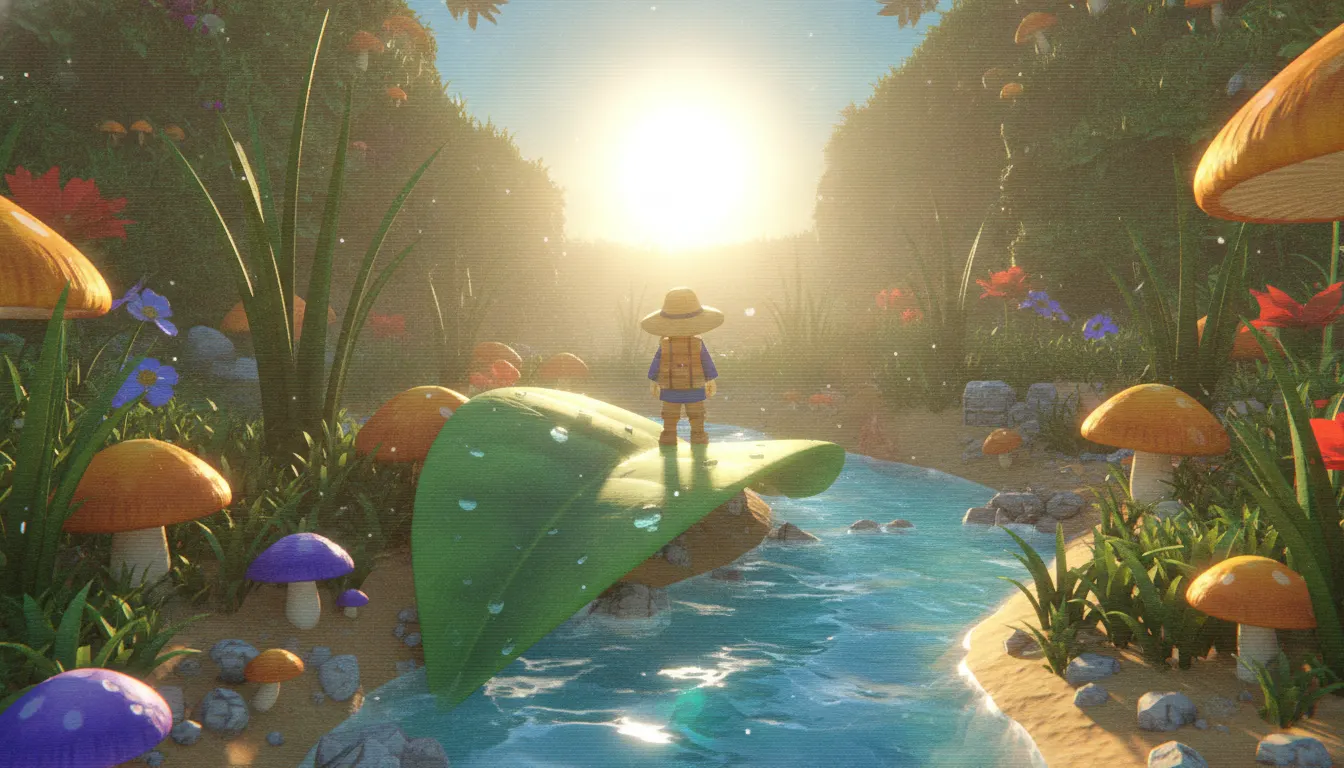
The Legend of Zelda: The Wind Waker (Nintendo EAD, 2002)
defining cel-shaded reference
GameCube bright cel-shaded aesthetic. Wind Waker toon shader, Sunshine summer palette, Pikmin micro-world charm, Smash Melee crisp 480p.
The moves a human crew would use to get here. Cue applies them for you, and knowing their names is how you ask for a change.
shading with hard shadow boundaries and minimal gradient - lit areas flat, shadow areas one darker flat tone
Nintendo's design philosophy pushes toward fully saturated primary and secondary hues
large eyes capable of wide emotional range, exaggerated proportions for readability
tiny characters amid enormous everyday objects creating scale-inversion wonder
saturated environmental palettes: warm yellow sunlight as default ambient rather than neutral white
each material has a distinct unambiguous look - grass is bright green, wood is warm brown
The Nintendo GameCube (2001-2007) is distinguished among sixth-generation consoles (alongside PS2 and original Xbox) by Nintendo's deliberate choice to embrace highly stylized, cel-adjacent or cel-shaded visual approaches rather than pursuing photorealism. Where Sony and Microsoft competed on processing power measured in polygon counts and texture resolution, Nintendo's first-party developers consistently made artistic choices that made their games look unlike any other platform's output - and that have aged remarkably well as a result.
The Wind Waker (Nintendo EAD, 2002) was the most consequential art direction decision of the GameCube era. Following Ocarina of Time's (1998) realistic-for-its-time approach, lead producer Shigeru Miyamoto and director Eiji Aonuma made the decision to use full cel-shading with large expressive cartoon eyes, bold outlines, and a sun-saturated ocean-adventure palette. The announcement was controversial; the game received pushback from fans expecting photorealism. The result is widely considered one of the most beautiful games ever made, and its visual choices have been validated by thirty years of aging.
Pikmin (Nintendo EAD, 2001) used a different but equally distinctive approach: rich, saturated natural environments seen through an extreme macro lens. Tiny plant-creature characters amid enormous everyday objects - aluminum cans, cardboard boxes, steel nuts - created a scale inversion that made familiar materials feel alien and beautiful. The color palette mixed rich botanical greens with warm sunset ambers and the bright solid colors of the Pikmin themselves.
Melee (HAL Laboratory, 2001) prioritized instant character recognizability at high speed. Characters are slightly idealized versions of their series counterparts - proportions adjusted for visual clarity, colors pushed slightly brighter, outlines slightly crisper than their source-game appearances. This is character design optimized for tournament legibility.
The GameCube era established that Nintendo would follow its own aesthetic path rather than competing on photorealism - a strategy continued through Wii, WiiU, Switch, and into the current generation.
defining cel-shaded reference
macro-naturalistic bright color aesthetic
optimized character clarity for competition
darker but still bright-Nintendo 3D approach
3D/2D hybrid paper aesthetic
bright cel racing
speed-optimized bright 3D
A Look is not a filter. It is a set of stored decisions the pipeline reads before it makes a single frame, so two videos in the same Look actually match.