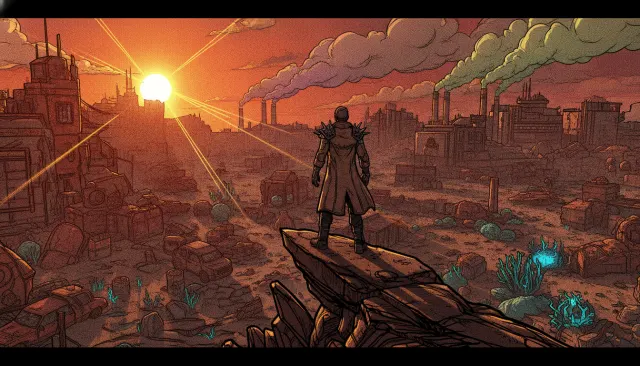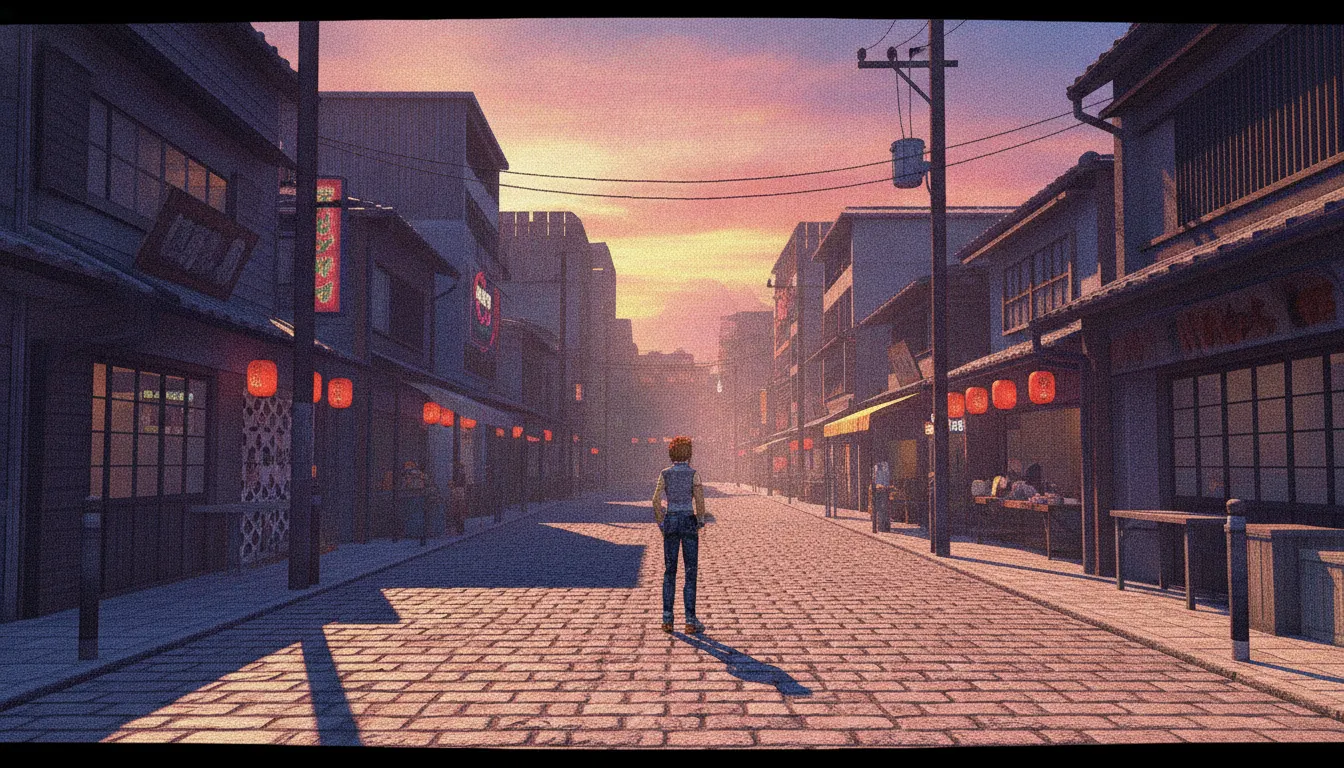
Jet Set Radio (Smilebit / Sega, 2000)
first major cel-shaded game
Sega Dreamcast early 6th-gen 3D. Jet Set Radio cel-shading birth, Shenmue open-world detail, Crazy Taxi color saturation, VGA-sharp 480p output.
The moves a human crew would use to get here. Cue applies them for you, and knowing their names is how you ask for a change.
based rendering artifacts: strong transparency, distinctive fogging, specific highlight distribution
characters with smooth-approximated organic forms at low poly count
time shadows on most geometry
shading with real-time outline extraction (Jet Set Radio technique)
high-detail painted texture backgrounds with simpler character models
motion video cutscenes contrasting with in-engine polygon cinematics
gen optimism' color palettes - early 3D tended toward bright, clean primary colors
The Sega Dreamcast (1998-2001) occupied a unique transitional moment in 3D game graphics - more powerful than the PlayStation and Nintendo 64 that preceded it, yet arriving before the PlayStation 2 and GameCube that superseded it. In its brief lifespan, the Dreamcast hosted some of the most experimentally interesting 3D aesthetics in gaming history, including the first major cel-shaded games, the earliest examples of online console gaming visuals, and Sonic's first 3D polygon incarnation.
The Dreamcast used an NEC PowerVR2 GPU that processed geometry differently from competing architectures, using tile-based deferred rendering. This created distinctive visual qualities: excellent transparency handling, strong fogging, and a particular way specular highlights distributed across surfaces. Dreamcast games have a slightly different 'feel' to their 3D rendering compared to PS1 or N64 contemporaries that experienced engineers can identify.
The Dreamcast hosted the first major cel-shaded game: Jet Set Radio (Smilebit / Sega, 2000), which used real-time outline rendering and flat toon shading to make its in-game characters look like they were drawn with markers. This technique had been theorized but never implemented at this scale. Jet Set Radio's success established cel-shading as a viable aesthetic approach and influenced The Legend of Zelda: The Wind Waker (Nintendo, 2002) and Borderlands (Gearbox, 2009) among many others.
Sonic Adventure (Sonic Team, 1998) was the Dreamcast's launch showpiece, placing the iconic 2D character into a fully 3D open world for the first time. The character's design - glossy rounded polygon body, painted-on eyes - established the 'Sonic in 3D' visual template that the series used for decades. The game's environments mix detailed textured backgrounds with simpler character geometry in ways that define the early-3D aesthetic.
The Dreamcast's brief existence (discontinued 2001) gives its aesthetic a poignant specificity - these were games that existed at a precise technological moment, fully aware of their hardware's limits and working creatively within them. The aesthetic carries nostalgia for a specific brief window.
first major cel-shaded game
launch title defining 3D Sonic visual design
most technically ambitious Dreamcast title
JRPG showcasing Dreamcast color capabilities
fighting game visual showpiece
iconic Dreamcast open-world 3D aesthetic
first online console RPG visual design
A Look is not a filter. It is a set of stored decisions the pipeline reads before it makes a single frame, so two videos in the same Look actually match.