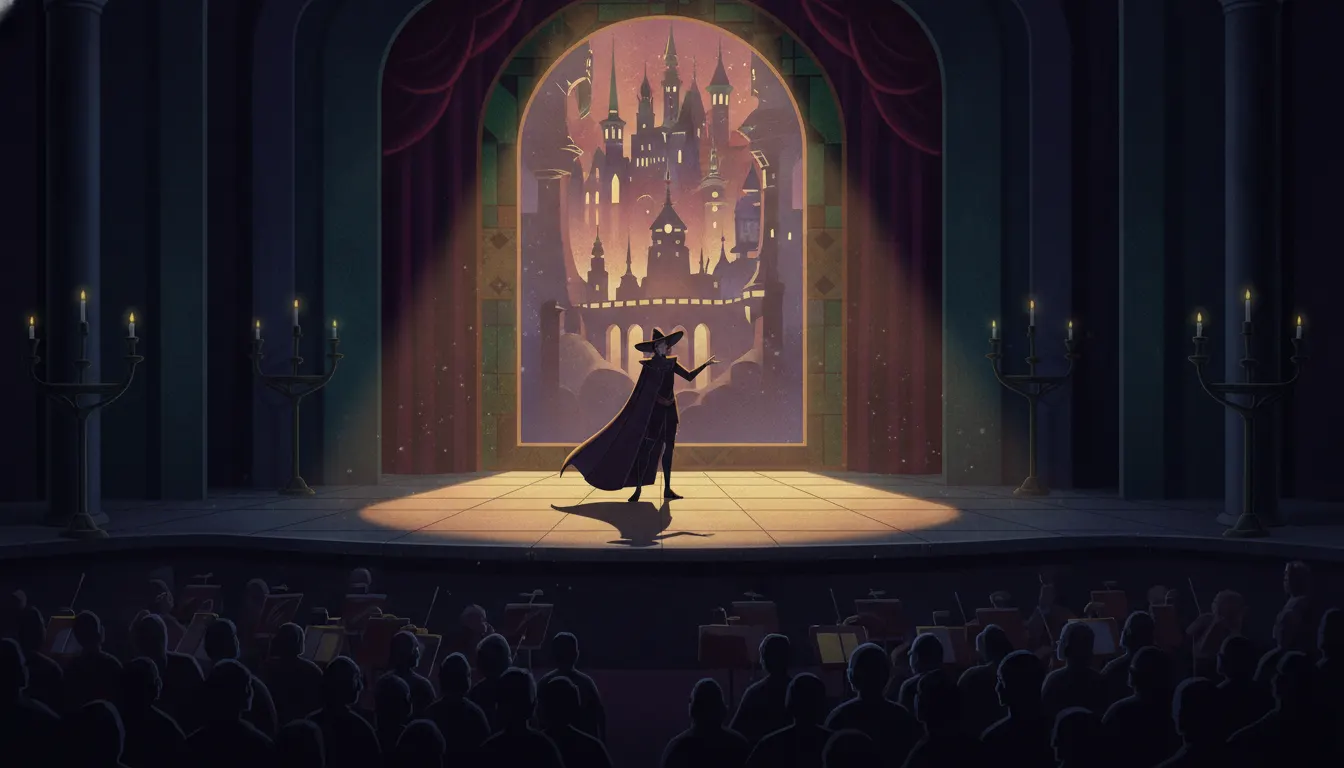
The Little Mermaid
Ron Clements & John Musker · 1989
Revival launch film; established princess musical template and underwater color palette
1989 to 1999 Disney Renaissance polished cel. Little Mermaid, Beauty and the Beast, Lion King, Aladdin era, Broadway musical staging.
The moves a human crew would use to get here. Cue applies them for you, and knowing their names is how you ask for a change.
Characters on hand-drawn cels composited over digitally painted backgrounds using Disney's Computer Animation Production System, enabling seamless depth and color gradients impossible in traditional optical printing.
Songs staged as Broadway-style production numbers with full environment choreography, camera moves, and color palette shifts that dramatize emotional beats.
Lush, watercolor-influenced background paintings with atmospheric perspective and layered depth recalling Disney's golden-age multiplane camera aesthetic.
Highly exaggerated character deformation on key poses for comedic effect (Genie, Lumiere, Timon and Pumbaa) while leads maintain more naturalistic proportions.
Principal human characters often referenced live-action reference footage for weight and naturalistic movement, a technique carried over from Disney's classical era.
Selective use of early CGI for mechanical or crowd elements (the ballroom chandelier, the wildebeest stampede, the magic carpet) deliberately matched to 2D color palettes.
Oversized, hyper-expressive eyes with multi-layer shine effects were central to emotional storytelling, a technique refined across every major Renaissance film.
The Disney Renaissance marks one of the most celebrated eras in animation history, spanning roughly a decade from The Little Mermaid (1989) to Tarzan (1999). After years of commercial and critical struggle following Walt Disney's death, the studio underwent a dramatic creative revival under the leadership of Michael Eisner, Jeffrey Katzenberg, and a generation of animators trained in classical Disney methods.
The era's signature look blends traditional hand-drawn cel animation with a new computer-assisted tool called the Computer Animation Production System (CAPS), developed with Pixar. CAPS allowed Disney artists to composite cel-painted characters over digital backgrounds with unprecedented depth and subtlety. The Rescuers Down Under (1990) was the first feature filmed entirely through CAPS, but it was Beauty and the Beast (1991) that made the technology iconic - the ballroom sequence used early 3D CGI backgrounds rendered to match the hand-drawn foreground characters.
Renaissance films are defined by lush, painterly backgrounds with depth gradients that recall the multiplane camera work of the 1940s. Character designs balance appeal with expressiveness: large eyes, fluid squash-and-stretch movement, and silhouettes that read at any size. The influence of Broadway musicals is unmistakable - directors Howard Ashman and Alan Menken shaped not just the music but the visual pacing, with songs staged as theatrical set pieces. Aladdin (1992), directed by John Musker and Ron Clements, pushed expressive character acting to extremes via animators supervised by Eric Goldberg and Andreas Deja.
The Little Mermaid (1989) re-introduced the princess musical and established the template. Beauty and the Beast (1991) became the first animated film nominated for the Academy Award for Best Picture. Aladdin (1992) featured Robin Williams' improvisational energy animated by Eric Goldberg. The Lion King (1994), directed by Roger Allers and Rob Minkoff, achieved a monumental scope with its opening Pride Rock sequence - drawing on both classical Disney and influences from Osamu Tezuka's Kimba the White Lion. Pocahontas (1995), The Hunchback of Notre Dame (1996), Hercules (1997), Mulan (1998), and Tarzan (1999) rounded out the era with increasingly varied visual styles, from Greek vase painting in Hercules to painterly Impressionist backgrounds in Mulan.
The Renaissance style defined mainstream Western animation aesthetics through the 1990s and influenced countless studios worldwide. It represents a formal peak in traditional 2D animation technique that has proven difficult to reproduce in the CGI era. Disney's later hand-drawn features - The Princess and the Frog (2009) and Winnie the Pooh (2011) - deliberately evoked it. Today, creators use Renaissance-style aesthetics for period pieces evoking 1990s nostalgia, fairytale content, and prestige animated storytelling.
Ron Clements & John Musker · 1989
Revival launch film; established princess musical template and underwater color palette
Gary Trousdale & Kirk Wise · 1991
First animated film nominated for Best Picture Oscar; pioneered CAPS ballroom CGI integration
Ron Clements & John Musker · 1992
Eric Goldberg's Genie animation pushed expressive character acting to extremes
Roger Allers & Rob Minkoff · 1994
Highest-grossing Renaissance film; monumental scope and Pride Lands color design
Mike Gabriel & Eric Goldberg · 1995
Most naturalistic human animation of the era; Impressionist background painting
Gary Trousdale & Kirk Wise · 1996
Darkest Renaissance entry; Gothic architecture and choral staging
Barry Cook & Tony Bancroft · 1998
Chinese ink-wash painting influences on backgrounds; most action-forward of the era
Chris Buck & Kevin Lima · 1999
Deep Canvas 3D background technology closes the era with a technical leap
A Look is not a filter. It is a set of stored decisions the pipeline reads before it makes a single frame, so two videos in the same Look actually match.
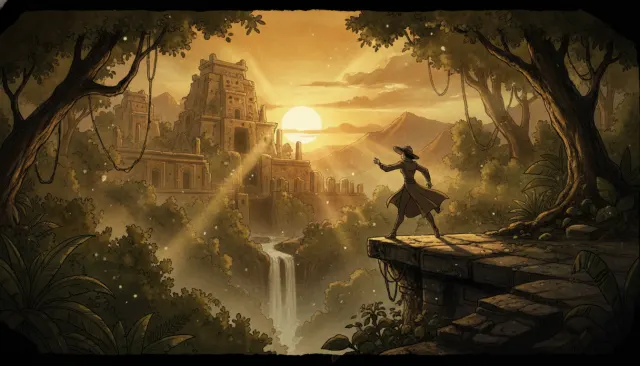 Classic Western CelDisney Golden Age Cel
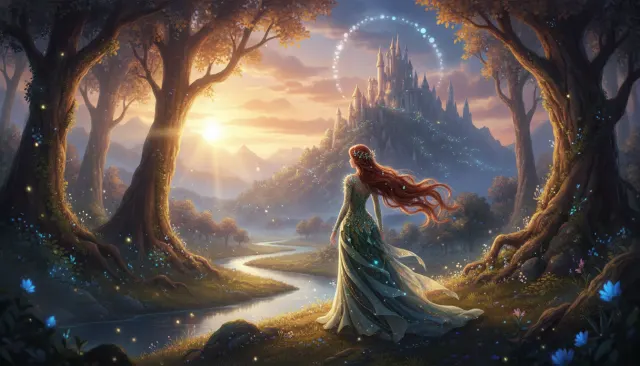 Feature 3DDisney Modern CGI Frozen
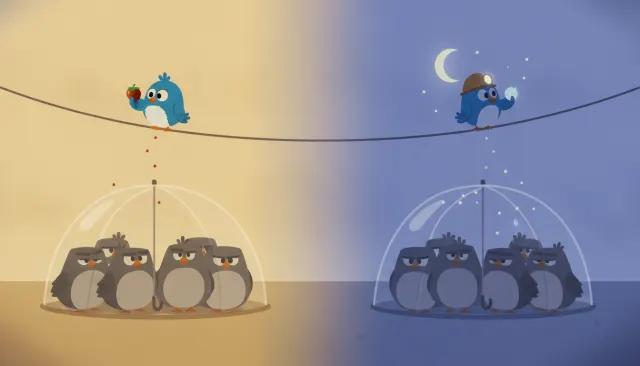 Indie Art AnimationPixar 2D Shorts
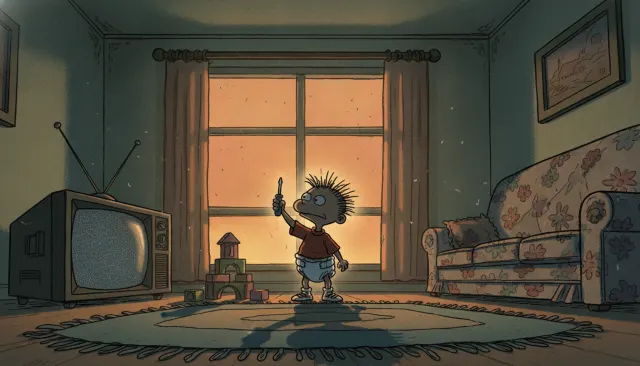 Cn 90S RevivalKlasky Csupo Rugrats
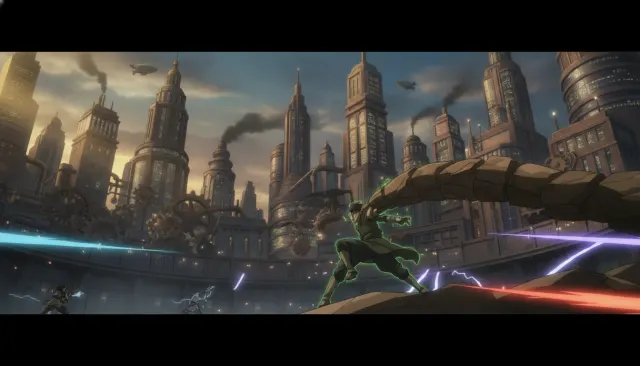 Kids Cn Action ClassicLegend of Korra Art Deco Bending
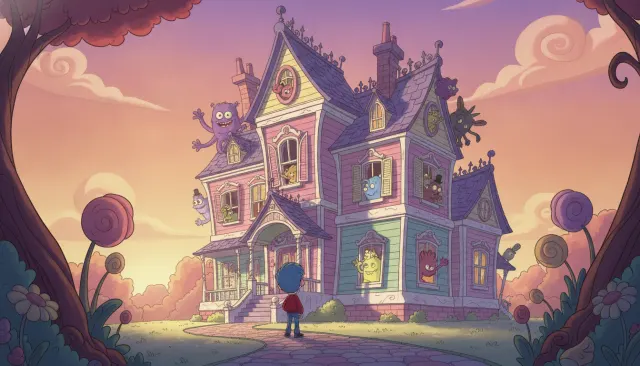 Kids Cn Comedy ClassicFoster's Home Craig McCracken Pastel
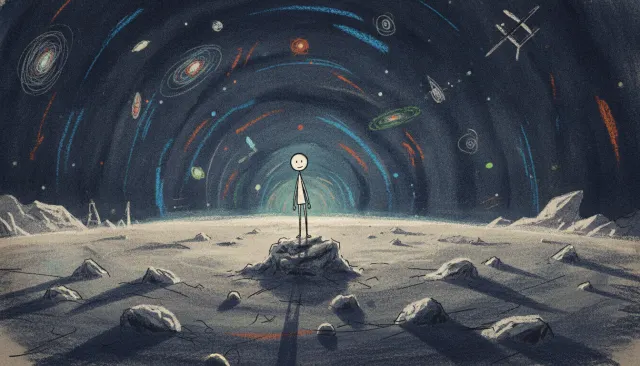 Indie Art AnimationDon Hertzfeldt Stick Figure