Luxo Jr.
John Lasseter / Pixar · 1986
First Pixar short; mime performance and design principles that define the studio's 2D-to-3D philosophy
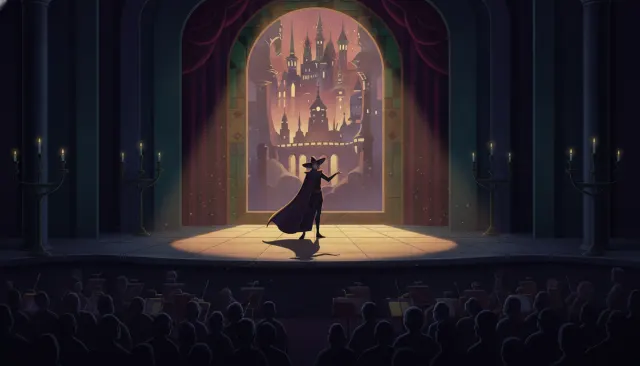
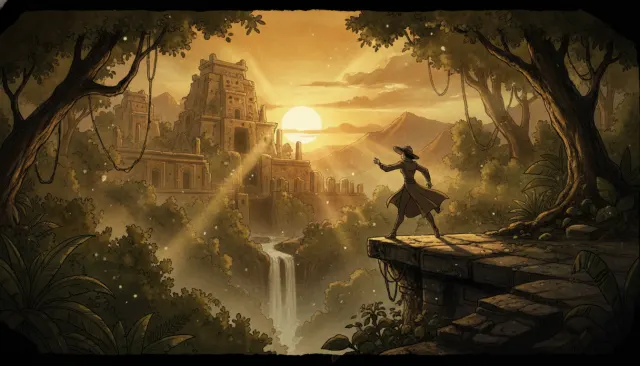
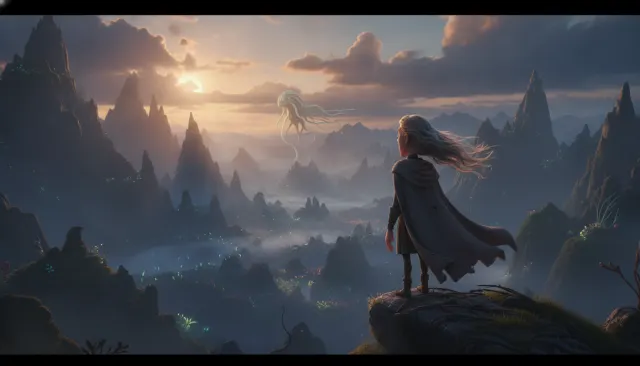
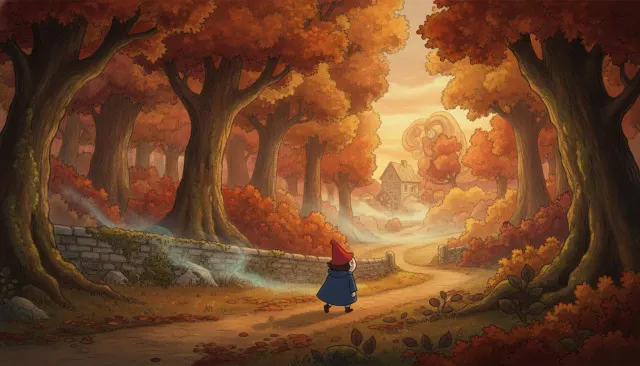
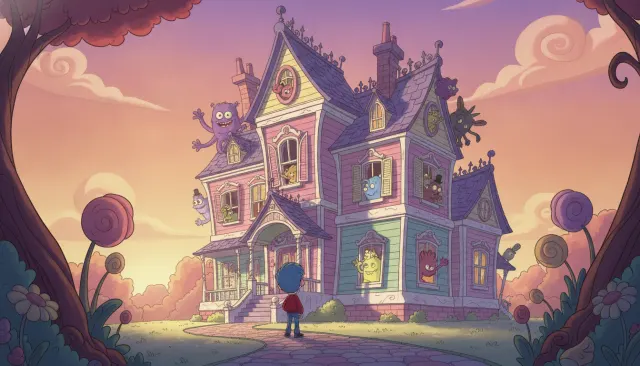
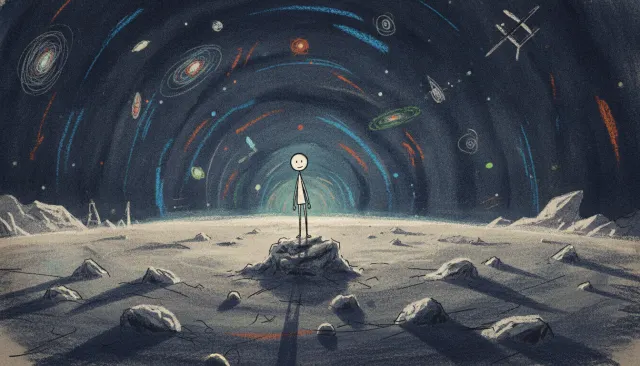
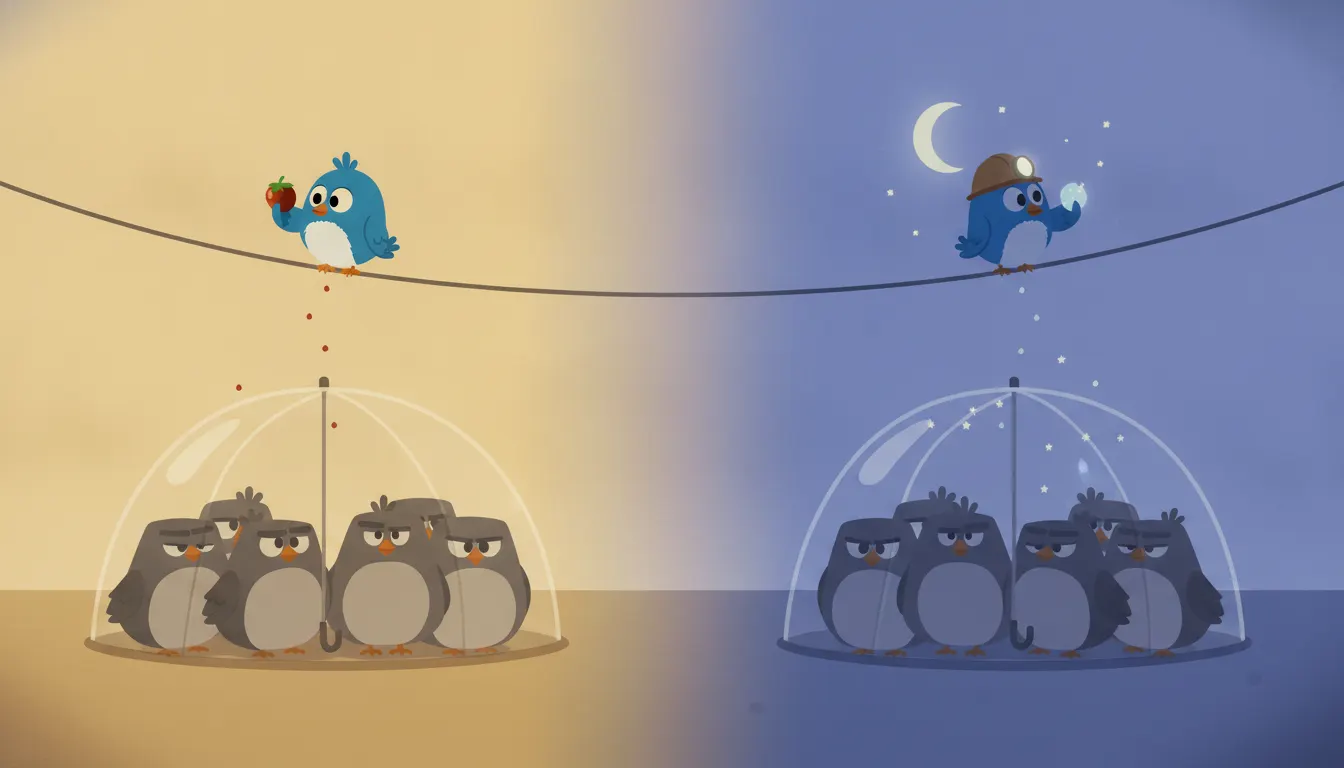
Pixar 2D-styled shorts in the lineage of For the Birds and Day & Night. Clean vector character design, gentle gag staging, family-friendly warmth.
The moves a human crew would use to get here. Cue applies them for you, and knowing their names is how you ask for a change.
Complete color palette developed before production, mapping emotional arc to specific palette shifts - Pixar's foundational pre-production design tool applied to 2D.
Characters designed so that the silhouette alone communicates personality and emotional state - no decorative detail that doesn't serve story function.
Secondary animation (hair, clothing, environmental elements) used as storytelling tools rather than decorative texture - every element moves with intention.
Character animation prioritizes body acting and facial expression over dialogue - the short film tradition's requirement that physical performance communicate fully.
SparkShorts particularly: 2D designs draw on specific cultural visual traditions (Filipino folk illustration, Latin American graphic art) integrated with Pixar's design rigor.
Environments use minimal elements selected for maximum narrative function - each prop and background element is earned, not incidental.
SparkShorts work often incorporates visible pencil texture, imperfect line quality, and expressive mark-making to signal the personal, handmade quality of individual artist-driven production.
Pixar Animation Studios, best known for pioneering computer-generated feature animation, has also produced a distinct body of 2D animated content primarily through its short film program. These 2D works include theatrical shorts preceding feature releases, Disney+ original shorts like the SparkShorts program (launched 2019), and episodic content such as Forky Asks a Question (2019). Pixar's 2D shorts are notable because they bear the influence of the studio's core design values - clean geometric storytelling, emotional specificity, and conceptual rigor - applied to flat, hand-drawn or vector-animated aesthetics.
Pixar's character and world design principles, developed across features from Toy Story (1995) to Elemental (2023), translate into 2D through consistent formal choices. Characters are built with clear, appeal-first silhouettes: no detail that doesn't serve the story. Color is used to map emotional temperature - specific palette choices signal character psychology and narrative arc. These principles apply regardless of whether the execution is polygonal CGI or flat 2D.
The SparkShorts program, which gave individual Pixar artists creative freedom to produce short films with smaller budgets and personal stories, produced the most varied 2D work. Float (2019, dir. Bobby Rubio) used a flat graphic style drawing on Filipino-American cultural references. Nona (2023, dir. Louis Gonzales) used an expressionist graphic style. Kitbull (2019, dir. Rosana Sullivan) mixed spare 2D illustration with rough, textured linework.
Pixar's founding 2D and early 3D shorts - Luxo Jr. (1986), Red's Dream (1987), Tin Toy (1988) - are technically CGI but were conceived with the visual principles of 2D character design: simple, readable forms, expressive secondary motion, and pure mime performance. These shorts established the studio's design philosophy in a form closely related to 2D animation practice.
Relative to other studios' 2D animation, Pixar's 2D work is characterized by: exceptional design specificity (each character and environment is clearly designed, not generically produced), story-first animation (every movement choice serves a narrative or emotional function rather than existing for technical display), and color scripts (the studio develops complete color palettes for each story that map emotional arcs before production begins). These practices are visible even in short-form 2D content.
The SparkShorts program produced over 15 shorts from 2019 to 2024, many in 2D or 2D-adjacent styles. This program represents Pixar's most significant commitment to 2D aesthetics since the studio's 3D transition. Artists including Rosana Sullivan, Bobby Rubio, and Louis Gonzales produced personal shorts drawing on diverse cultural backgrounds and visual traditions, giving the 2D program more cultural variety than Pixar's feature output.
John Lasseter / Pixar · 1986
First Pixar short; mime performance and design principles that define the studio's 2D-to-3D philosophy
Rosana Sullivan / Pixar SparkShorts · 2019
SparkShort with rough 2D illustration style; kitten and pitbull friendship narrative
Bobby Rubio / Pixar SparkShorts · 2019
Filipino-American cultural reference in flat graphic 2D; floating child metaphor for neurodivergence
Louis Gonzales / Pixar SparkShorts · 2023
Expressionist 2D graphic style; grandmother wrestling fictional narrative
Pixar Animation Studios · 2019
Disney+ episodic content using simplified 2D-adjacent character staging
Saschka Unseld / Pixar · 2013
CGI short using 2D graphic design principles in a photorealistic-then-stylized world
A Look is not a filter. It is a set of stored decisions the pipeline reads before it makes a single frame, so two videos in the same Look actually match.