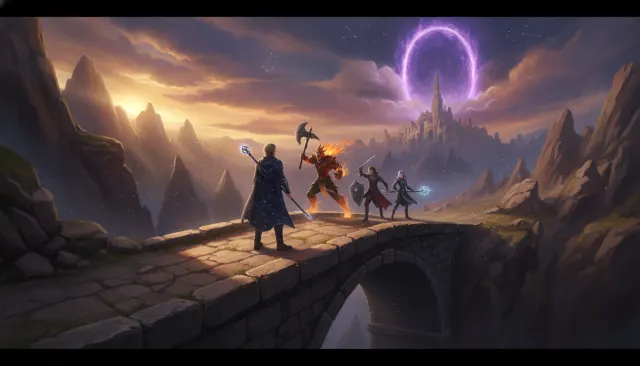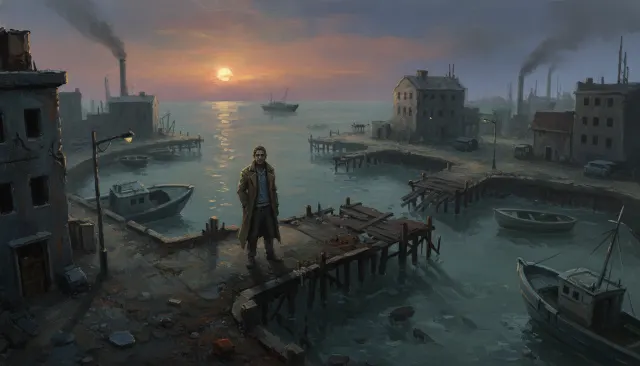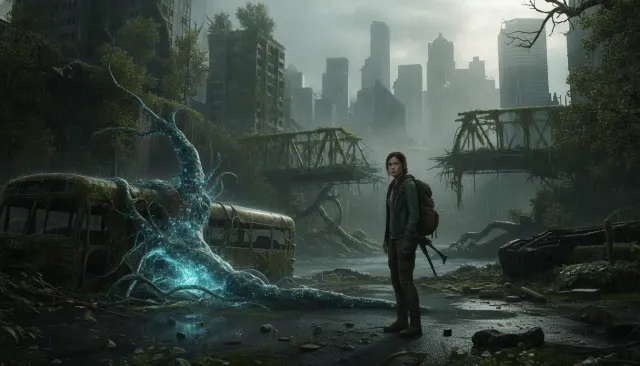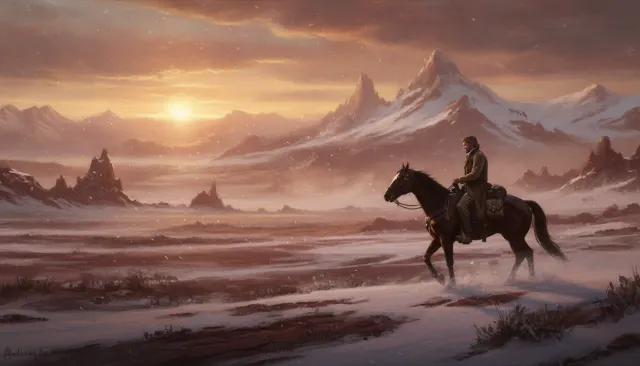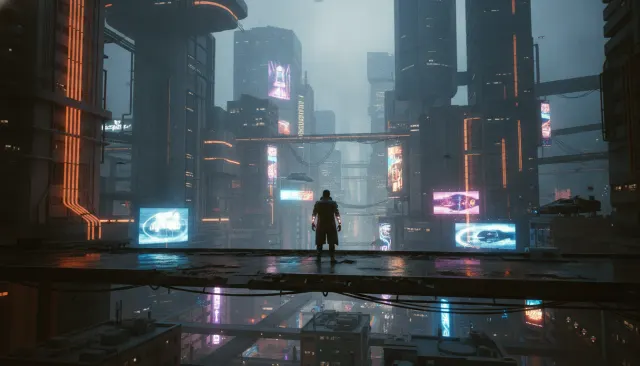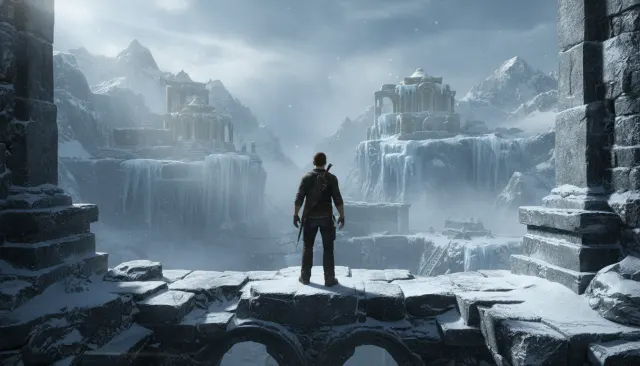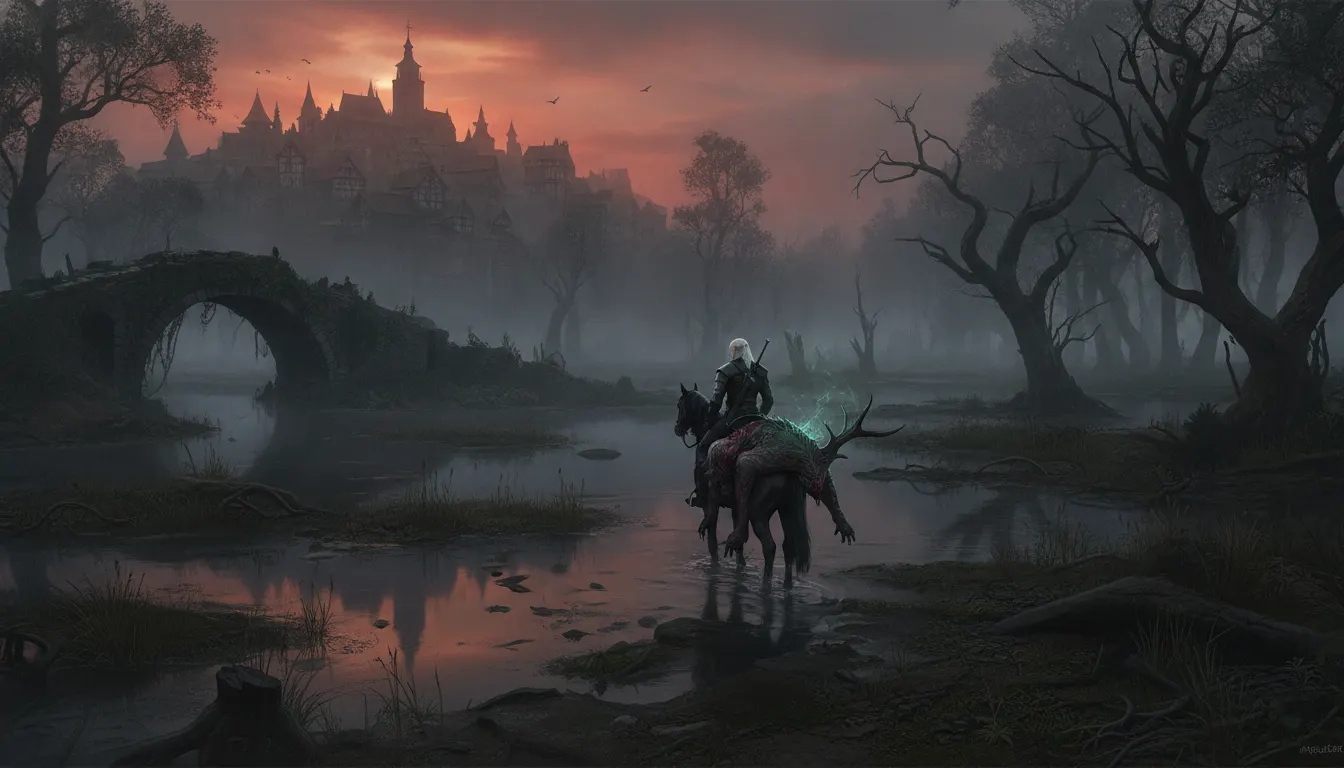
The Witcher 3: Wild Hunt (CD Projekt RED, 2015)
the defining open-world fantasy photoreal benchmark
The Witcher 3 CD Projekt Red dark-fantasy photoreal aesthetic. Slavic folklore Velen swamp, Novigrad medieval density, Geralt monster-hunt cinematics.
The moves a human crew would use to get here. Cue applies them for you, and knowing their names is how you ask for a change.
mist, haze, smoke as physical light-interactive volumes
based rendering materials: mud, stone, wood, leather with accurate roughness and reflectance
blade wind simulation visible at close range
gable shapes, shrine types, and landscape features from Eastern European tradition
hour and overcast variants for each environmental zone
The Witcher 3: Wild Hunt (CD Projekt RED, 2015) redefined expectations for open-world RPG visual design, producing an environmental art quality that won numerous "best graphics" awards and continued to serve as a benchmark nearly a decade after release. The combination of photorealistic rendering techniques with a Slavic folk fantasy setting created a visual register that had no direct predecessor - neither generic high-fantasy (Elder Scrolls) nor historical realism (Red Dead Redemption) but a third option: the mud, rot, and magic of Eastern European peasant mythology rendered in REDengine 3.
CD Projekt RED's proprietary REDengine 3 implemented physically-based rendering, deferred shading, volumetric fog, dynamic weather, and a day/night cycle system at a scale unprecedented for open-world games in 2015. The fog system was particularly distinctive: low morning mist in marshland, atmospheric haze over the sea between islands, smoke from burning villages - all volumetric, meaning light interacted with the fog volume rather than simply fading objects at distance.
The terrain system rendered vegetation with individual grass blades and wind simulation, visible at close range and transitioning gracefully to lower-detail representations at distance. This grass density, combined with the wet-stone and wood surface materials, gave the Velen region (Northern Kingdoms marshland) a tactile quality - you could almost feel the mud.
The Witcher franchise draws on Polish author Andrzej Sapkowski's deconstruction of European fairy tales through Slavic mythology. The visual art department translated this into specific environmental choices: the twisted hanging trees of Velen are a direct reference to Slavic forest spirit mythology; the water-logged farmlands with submerged shrines reference folk beliefs about spirits of drowned children; the ruined castle landscapes echo Polish historical architecture devastated by Mongol invasions.
This specificity distinguishes Witcher 3's fantasy aesthetic from generic high-fantasy. The visual vocabulary is not Tolkien-derived (elves, dwarves, castles with round towers) but Slavic-derived (strigas, drowners, leshen, and the specific gable architecture of Eastern European villages).
The Blood and Wine expansion (2016) deliberately shifted the palette to Toussaint - a sunny southern France-inspired region with lavender fields, vineyard-covered hillsides, and white stone architecture. The contrast between Velen's grey-green marshland misery and Toussaint's warm Mediterranean excess is one of the most effective uses of environmental art direction as tonal signifier in gaming.
the defining open-world fantasy photoreal benchmark
environmental palette contrast masterclass
live-action adaptation measuring against the game's visual language
earlier visual language precursor
successor in open-world dark fantasy photoreal tradition
parallel Western RPG landscape approach from same year
A Look is not a filter. It is a set of stored decisions the pipeline reads before it makes a single frame, so two videos in the same Look actually match.