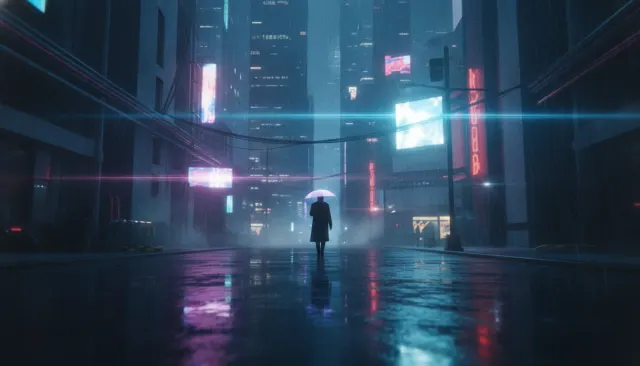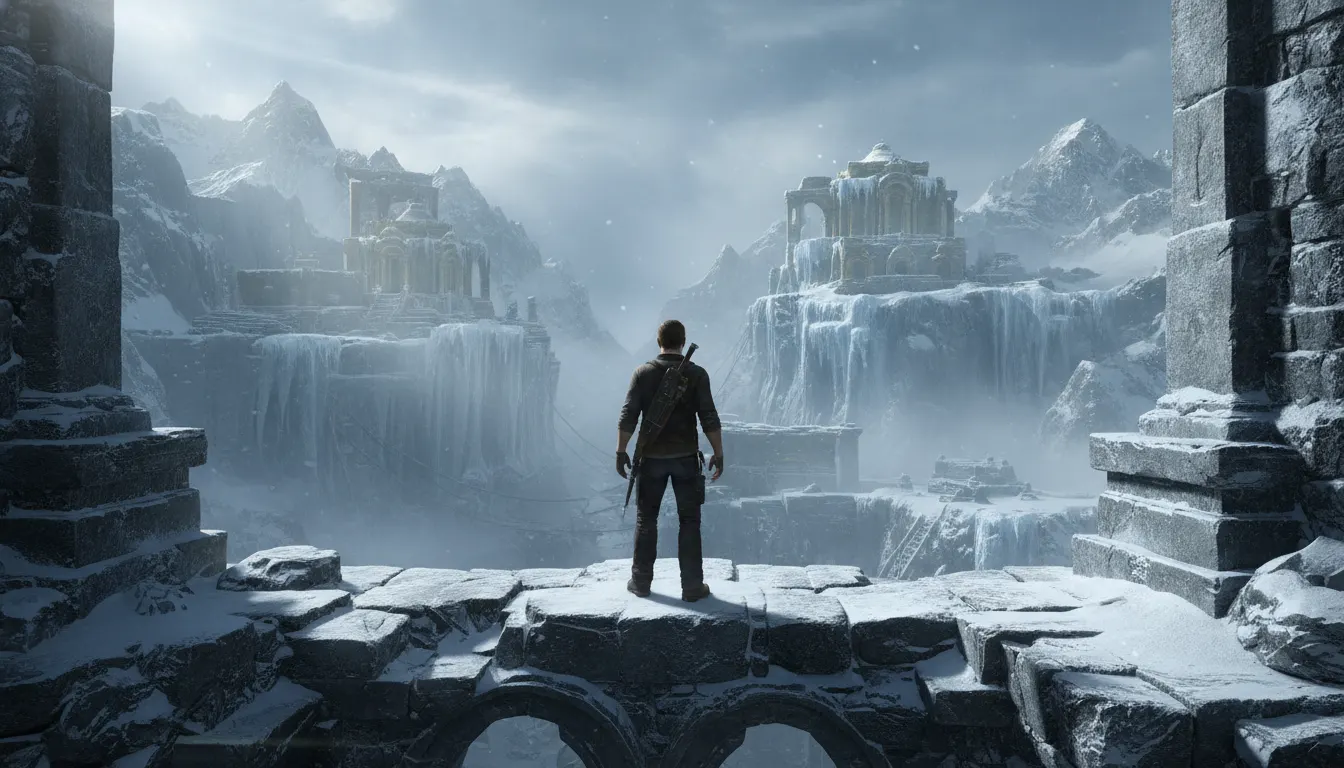
Uncharted: Drake's Fortune (Naughty Dog, 2007)
establishing the look
PlayStation 3 era realism push. Uncharted 2 bloom-heavy lighting, Killzone 2 sharp normal-mapping, 720p HD aspirational realism with crushed blacks.
The moves a human crew would use to get here. Cue applies them for you, and knowing their names is how you ask for a change.
bright surfaces bleed softly into surrounding areas, creating halo effects
space ambient occlusion darkening contact points between geometry
space motion blur on camera pans and fast-moving objects
contrast tone mapping with crushed blacks and blown highlights in direct sun
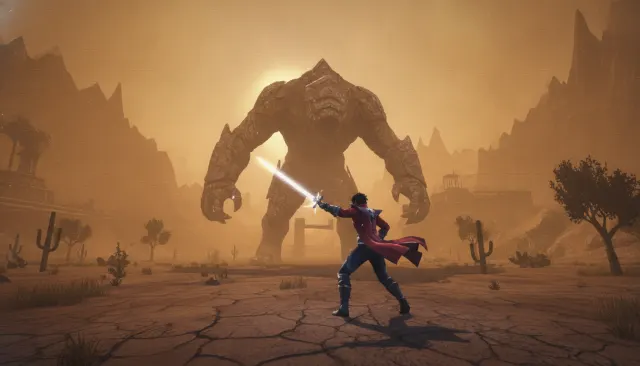
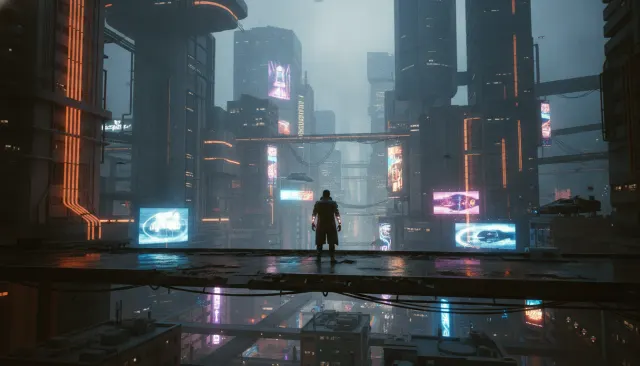
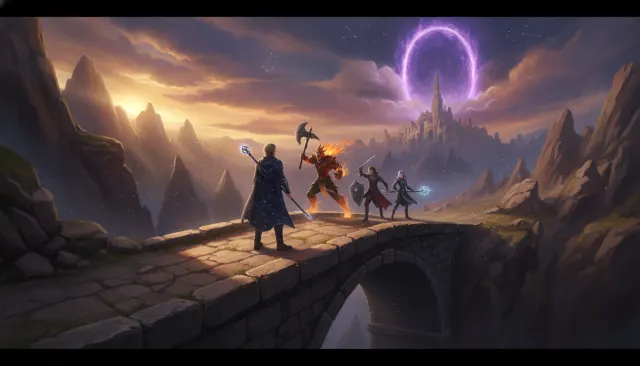
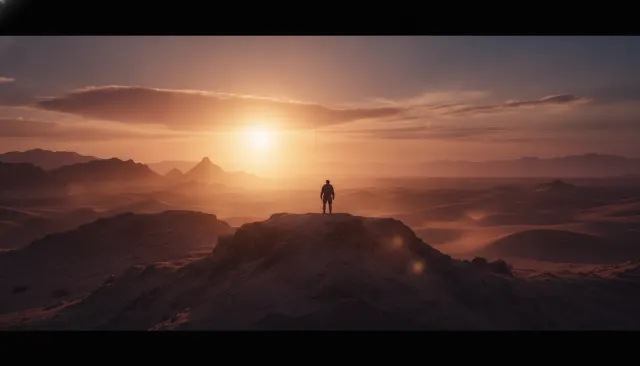
Uncharted: Drake's Fortune (Naughty Dog, 2007) arrived as a landmark demonstration of what the PlayStation 3's Cell Broadband Engine could accomplish. It established a visual template - HDR bloom, deferred shading, physically-informed lighting, and cinematic post-processing - that defined aspirational game graphics for the entire 7th console generation.
The PS3 marked the transition from forward rendering (light every polygon individually) to deferred shading (separate the geometry pass from the lighting pass). This allowed developers to place dozens of dynamic lights in a scene without the prohibitive per-polygon cost of forward rendering. Naughty Dog's engine applied this to create richly lit jungle environments where sunlight cascaded through foliage, bounced off wet stone, and created strong bloom halos around bright windows and sky patches.
HDR (High Dynamic Range) rendering allowed the engine to represent a broader range of light intensities in the scene buffer before tone-mapping to the display's limited range. The result was the characteristic "bloom" that defines this era: bright areas bleed softly into their surroundings, lens flares appear on reflective surfaces, and transitions from dark interiors to bright exteriors feature gradual exposure adaptation.
Uncharted 2: Among Thieves (Naughty Dog, 2009) is widely considered the aesthetic apex of this look. The Himalayas level, the collapsing building sequence, and the jungle temple environments demonstrated subsurface scattering on character skin, normal-mapped stone geometry with real-time shadow cascades, and ambient occlusion baked into the scene. The cinematic camera - third-person with a near-photographic depth of field at character distance - completed the illusion.
This era normalized screen-space motion blur as a cinematic signifier. Camera pans trail a weighted blur across moving geometry. High-velocity objects smear convincingly. Combined with the HDR bloom and 30 fps target frame rate (justified as "cinematic"), the look deliberately bridged games and film.
The 7th-gen realistic look is now experiencing nostalgia re-appreciation. The heavy bloom, slightly over-saturated color grading, and dark vignetting feel period-specific to 2007-2013 in a way that makes them useful as era signifiers for retrospective content.
establishing the look
the aesthetic apex
mature evolution of the same pipeline
gritty military variation on deferred shading
UE3 deferred shading in a darker register
Xbox 360 parallel benchmark
atmospheric finale of the 7th-gen peak
A Look is not a filter. It is a set of stored decisions the pipeline reads before it makes a single frame, so two videos in the same Look actually match.