PAINT ON PHOTO · CONTEMPORARY · INTERNATIONAL
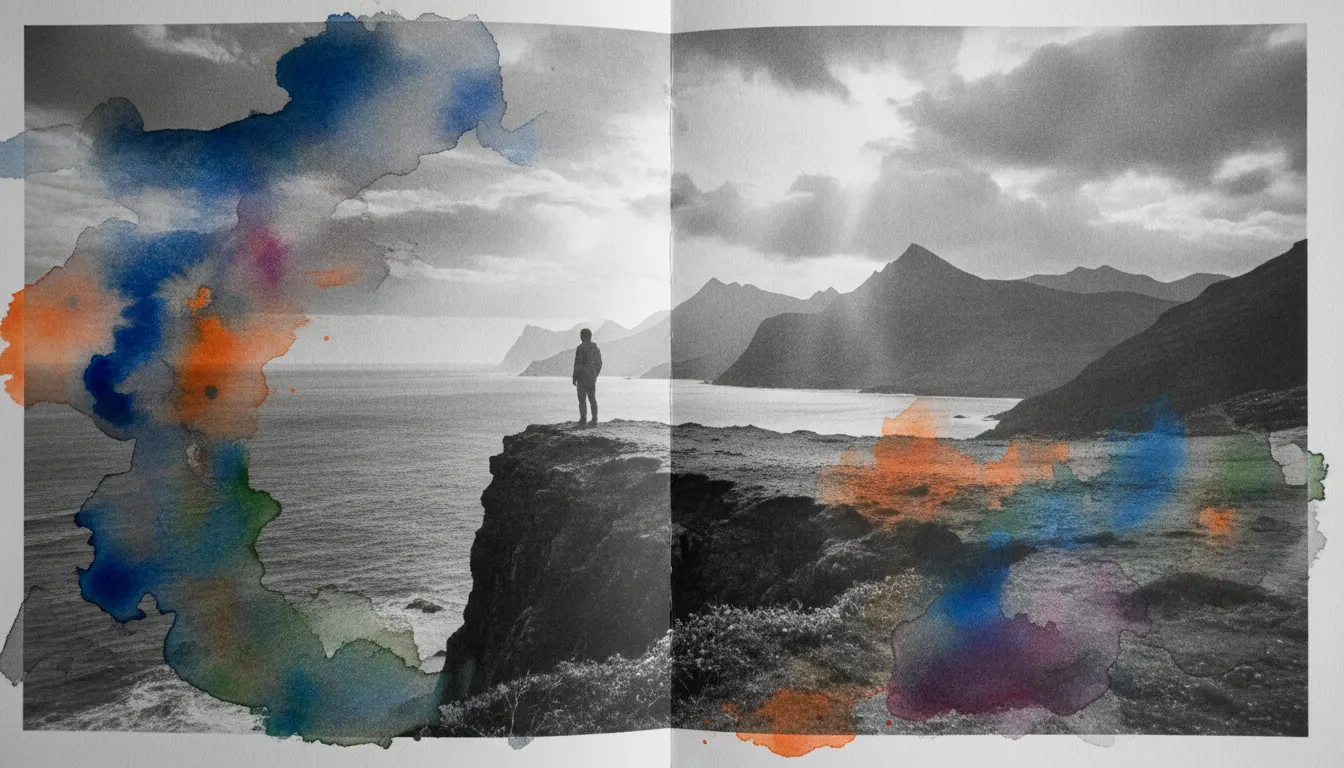
Watercolor Painting Over Photograph
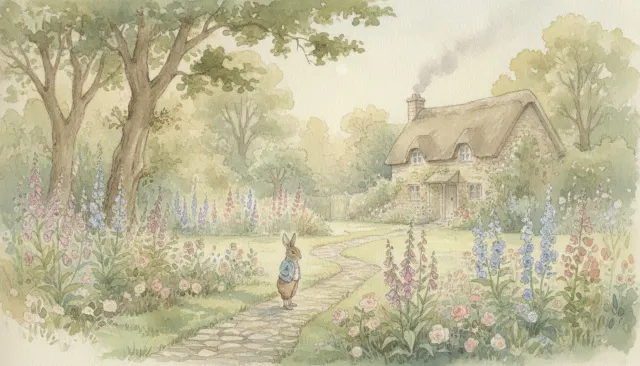
Watercolor wash painted over a black-and-white photographic base. Bleeding pigment edges, paper buckling texture, retained photographic detail underneath, illustrated travel-journal warmth.
watercolorpaint-over-photoillustratedjournal
LUT watercolor-tint-photo
WHEN TO USE
- Portrait or figure photography where a gentle, romantic softness is appropriate – fashion, editorial, social
- Travel and landscape content where watercolor adds warmth and painterly atmosphere to documentary photography
- Children's publishing and family content where the delicacy of watercolor over photo creates soft storybook quality
- Weddings and occasions photography where the painterly hybrid of watercolor adds elevated emotional register
- Brand campaigns in beauty, wellness, or natural products where the organic quality of wet media fits
- Music content for folk, acoustic, or ambient artists where the intimate handmade quality matches the sound
WHEN NOT TO USE
- Sports or action content where watercolor softness undercuts physical energy and precision
- Technical or industrial photography where precision and detail are primary requirements
- High-energy commercial content where the delicate quality reads as low-impact
- Content that requires the full tonal and color precision of the photographic original
SIGNATURE TECHNIQUES
How the look is made.
The moves a human crew would use to get here. Cue applies them for you, and knowing their names is how you ask for a change.
- 01Wet
in-wet bloom: watercolor dropped into wet passage, blooming outward and granulating as it dries
- 02Selective coverage
watercolor applied to background and clothing areas, face left as clean photograph
- 03Granulation effects
pigments separating in wet washes, visible as textured sediment when dry
- 04Soft bleeding edges where pigment runs past intended boundaries in organic shapes
- 05White unpainted passages where the photographic image shows through as luminous reserved areas
- 06Transparent layered glazes
multiple thin washes building depth while maintaining photographic visibility
- 07Wet brush marks crossing the photographic surface at oblique angles, implying physical brushwork
HISTORY & CONTEXT
Where it comes from.
Watercolor Painting Over Photograph
Watercolor painting over photograph places wet, transparent washes of pigment over photographic imagery – either physically on a print or digitally in post. The photograph provides structural accuracy, skin tones, and spatial relationships; the watercolor contributes bloom, soft bleeding edges, granulation texture, and the specific luminosity of wet-in-wet color mixing that no digital filter fully replicates. The hybrid is gentler and more intimate than oil paint overlay: watercolor respects the photograph beneath it rather than contesting it.
Historical Context
Hand-coloring photographs predates color film by decades. The albumen print era (1850s–1890s) saw professional colorists apply oil-based and watercolor tints to portraits and landscapes for commercial clients. Japanese hand-colored photographs for the export market (Yokohama, 1860s–1900s) reached a high level of craft, with colorists applying transparent watercolor washes over silver gelatin prints to create the appearance of Japanese woodblock prints. These albumen hand-colored works are among the first historical examples of watercolor applied to photographs.
In the 20th century, the practice split: photographic colorists continued serving commercial clients through the 1950s (until Kodachrome color film made the craft commercially redundant), while fine art photographers began treating hand-painting as expressive choice rather than technical necessity. Lucas Samaras (Greek-American, active 1960s–present) manipulated Polaroid prints while the chemistry was still active, producing images that merge photography and painting at the chemical level.
Contemporary Practitioners
Karen Knorr (German-British, active 1980s–present) photographs architectural interiors and overlays them with imagery derived from Orientalist and colonial painting traditions, sometimes combining photographic prints with painted or transferred elements. Brian Ward (contemporary British) applies watercolor directly to photographic print surfaces in works that move between portraiture and botanical illustration. In commercial photography and art direction, the watercolor-over-photo technique is used extensively in editorial illustration, particularly for travel, lifestyle, and cultural publications.
Digital Reproduction and the Simulation Challenge
Digital simulation of watercolor-over-photo uses layered blend modes – typically multiply or luminosity – to composite watercolor texture layers over photographic imagery. Tools like Kyle T. Webster's watercolor brushes (acquired by Adobe 2019) and Procreate's wet media brushes have made convincing digital watercolor broadly accessible. The key distinction between simulated and physical watercolor-over-photo is the bloom: genuine wet-in-wet diffusion creates irregular organic shapes where pigment carries further into wet paper than the brush directly touched. Digital simulation can approximate but rarely exactly replicate this physical process.
For still photography, printing the photograph onto hot-press or cold-press watercolor paper (using pigment inkjet printers with appropriate ICC profiles) before painting allows genuine wet media to sit in the paper's tooth alongside the printed photographic image – the most authentically hybrid method. The photographic ink bonds with the paper fiber while subsequent watercolor washes spread through the same fiber network.
NOTABLE WORKS
Where you have seen it.
Lucas Samaras
*Phototransformations* Polaroid manipulation series (1973–1976)
Karen Knorr
*India Song* architectural photography with painted and transferred elements (2008–2015)
Bernd and Hilla Becher
influenced watercolor-document hybrid by framing industrial photography as specimen art
Henri Cartier-Bresson
drew and watercolored over his own photographic proofs in later life (1970s–1990s)
David Hockney
iPhone and iPad drawings applied over photographic printouts (2009–2012)
Françoise Nielly
oil and acrylic over photographic projection portraits (2000s–present)
THE RECIPE
The exact knobs
the renderer turns.
A Look is not a filter. It is a set of stored decisions the pipeline reads before it makes a single frame, so two videos in the same Look actually match.
SettingValue
GradeColour LUT applied to every frame
watercolor-tint-photoTransitionHow one shot becomes the next
dissolve cuts · 400ms · ease-in-outKen BurnsCamera move applied to stills
Slow push · 0.03 · rule-of-thirdsTypographyDisplay / body / mono pairing
Caveat · Lora · JetBrains MonoMusic moodWhat the bed under the voice sounds like
warm-acoustic-folk · gentle-pianoPrompt suffixAppended to every shot prompt in this Look
watercolor wash painted over black and white photograph, bleeding pigment edges, paper buckling texture, photographic detail under translucent paint, travel journalPALETTE
Primary
#7DB9D7
Secondary
#F2EADB
Accent
#E8A05A
Text/Light
#1A2A3A
Text/Dark
#FFF5DA
BG 900
#1A2A3A
BG 800
#2A3D52
RELATED LOOKS
Next to it on the shelf.


Your first cut
is on us.
+ New videoFree plan · no card · 1080p export