Gerhard Richter
1965
*Aunt Marianne* , photo painting series (1962–1965)
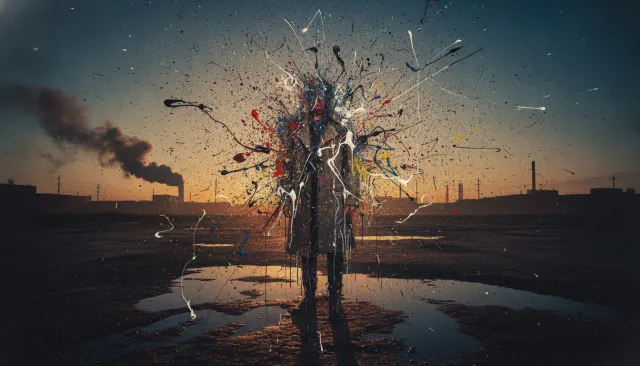
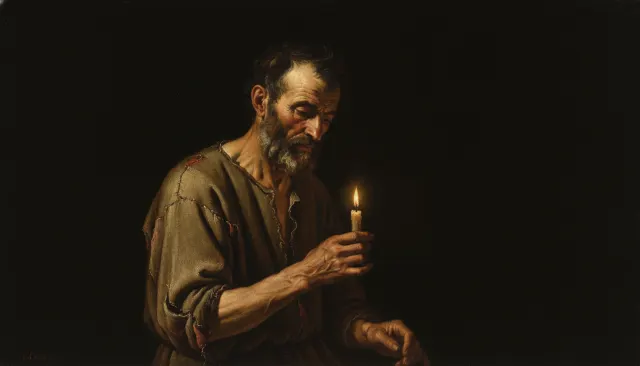
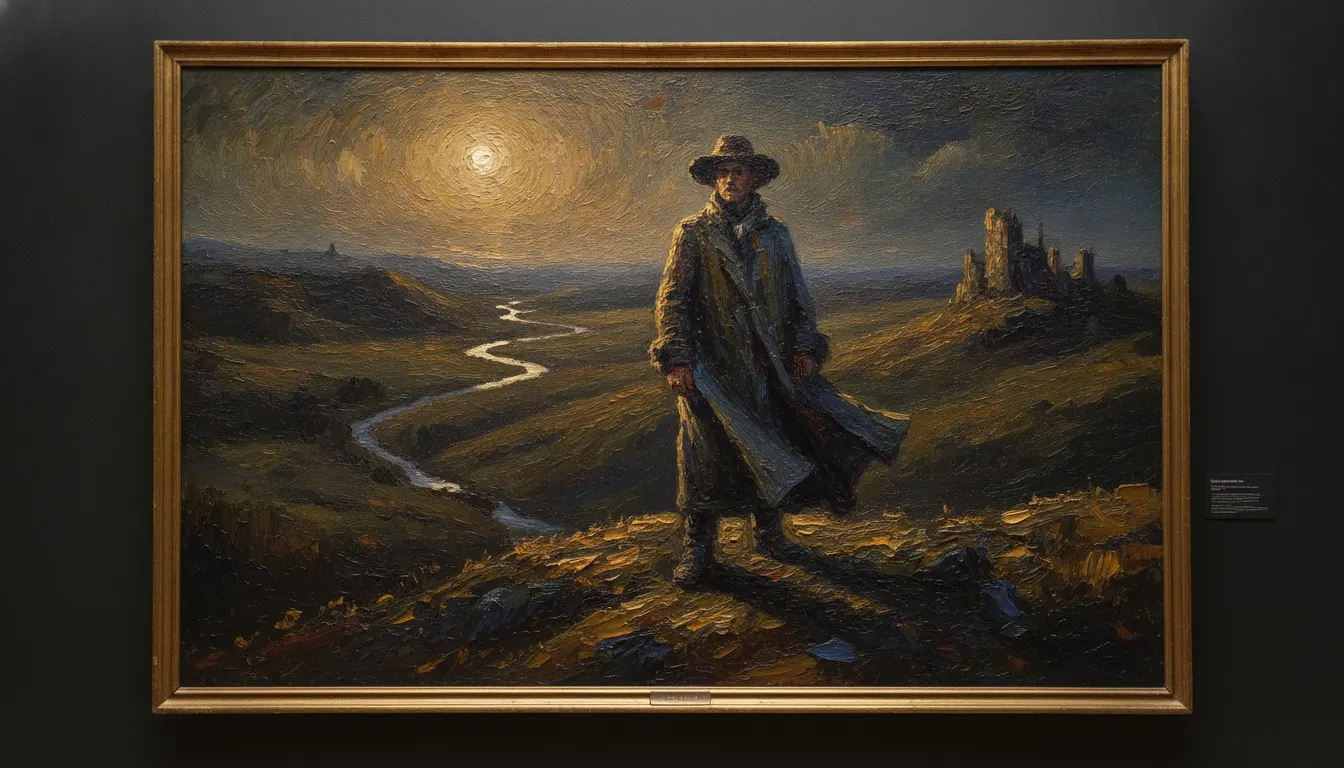
Oil-paint impasto overlay on photographic portrait. Thick visible brush strokes built up over a photograph, Lucian Freud paint-density energy, gallery-portrait gravity, painterly modeling on real face.
The moves a human crew would use to get here. Cue applies them for you, and knowing their names is how you ask for a change.
photographic detail preserved in focal areas, paint obscuring periphery
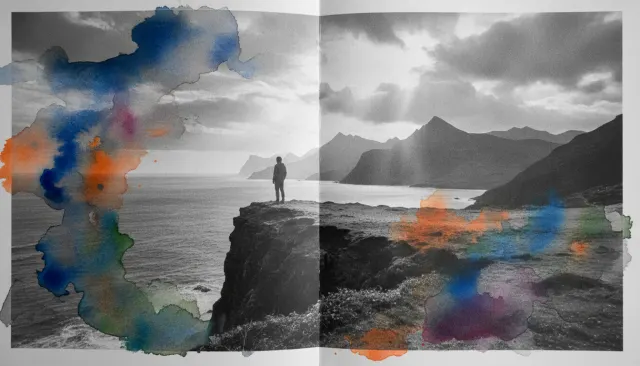
The oil paint overlay portrait merges the indexical precision of photography – frozen moment, exact likeness – with the expressive, handmade character of oil painting. The photograph provides likeness and tonal foundation; the paint asserts the artist's presence through visible gesture: thick impasto, dragged palette knife, translucent glaze, or vigorous scumbling that partially obscures the photographic base. The tension between the two media is the image's subject.
Hand-coloring photographic portraits was common from the 1850s onward, but the more transgressive tradition of overpainting – treating the photograph as raw material to be transformed – gained critical traction in the 1970s. Tom Phillips began his extended A Humument project in 1966 (published 1970), overpainting Victorian text pages, and applied related strategies to portraiture. Gerhard Richter, from his Photo Paintings series of the early 1960s (notably Aunt Marianne, 1965), used photographic projection to trace images onto canvas then deliberately blurred with a dry brush, making the photograph's mechanical nature visible through its painterly degradation.
Mark Powell (British, active 2000s–present) paints directly onto found portrait photographs, allowing painted gesture to coexist with photographic detail in the same composition. Francis Bacon worked from press photographs and film stills, distorting the photographic source through thick impasto and smearing. In contemporary practice, artists such as Lisa Yuskavage and Neo Rauch incorporate photographic source material that surfaces through translucent paint layers.
Three main workflows exist: (1) painting directly onto photographic print – physical, irreversible, with risk and material richness; (2) digital simulation using layered paint textures, impasto brushes, and multiply or overlay blend modes over the photo; (3) projection-based transfer where the photographic image is projected onto canvas and then overpainted. Each approach produces distinct results – physical painting retains bristle marks and material depth that digital simulation can approximate but rarely fully replicate.
The signature quality is selective revelation: painted passages obscure some areas while leaving photographic clarity in others, creating a hierarchy of focus that the photographer alone cannot control. Eyes might be sharp photographic while the jaw dissolves into a smear of raw umber.
This directional control over attention is not available to the straight photographer, who must accept whatever the lens renders in focus. The oil paint overlay artist can redirect the viewer: an eye left photographically clean while the surrounding face is glazed over acquires extraordinary intensity. A background dissolved into impasto marks while the sitter's hands retain photographic precision shifts the portrait's emotional register entirely. The technique is, in this sense, not decoration applied to photography but a fundamentally different approach to organizing a portrait's meaning across its surface.
1965
*Aunt Marianne* , photo painting series (1962–1965)
*A Humument* overpainted book series (begun 1966, final edition 2016)
portrait overpaints on found photographs (2000s–present)
1953
*Study after Velazquez's Portrait of Pope Innocent X*
face-farms overpainted photograph series (Vienna, 1970s)
photographic overpainting works (1970s–1980s)
chalk board and photograph overlay works (2000s)
A Look is not a filter. It is a set of stored decisions the pipeline reads before it makes a single frame, so two videos in the same Look actually match.