Yinka Shonibare
Dutch wax cloth textile installations (1990s–present, Tate Modern)
High-resolution scanned textile pattern composited as overlay on moving video. Embroidered cloth, lace, or quilt patch animated above live-action footage, tactile-digital hybrid.
The moves a human crew would use to get here. Cue applies them for you, and knowing their names is how you ask for a change.
resolution flatbed scanning at 1200–2400 dpi to capture thread structure and weave shadow
textile pattern darkens photographic image, woven structure visible in highlights
pattern combines with photo luminance, preserving mid-tone image detail
textile overlay applied to background or clothing areas, leaving faces unaffected
desaturating photo layer to let textile color dominate chromatic identity
of-field simulation: foreground textile sharp, photographic content at soft focus through weave
The scanned textile pattern on video technique composites high-resolution scans of actual fabric – woven cloth, embroidered linen, printed silk, hand-dyed cotton – over photographic or video imagery. The result is layered: the photographic content beneath reads through textile structure above, with the warp-and-weft or printed pattern imparting texture, color, and cultural reference that the original footage alone could not carry.
The tradition of fabric as image-bearing surface is ancient – tapestry, embroidery, and batik have been picture-making technologies for millennia before photography existed. The Bayeux Tapestry (c. 1070–1080, Normandy) is an 8-meter narrative textile; Japanese shibori (resist-dyeing tradition dating to 8th century, refined in Edo period) uses indigo and wax to create patterned cloth that is simultaneously abstract and representational.
In fine art photography, Lorna Simpson (American, active 1980s–present) has incorporated fabric and textile elements into photo-and-text works. David Hammons' assemblages use hair and cloth to extend photographic imagery. In fashion photography, the textile-over-photo composite has a longer commercial history: dye-sublimation printing onto fabric using photographic images has been standard since the 1990s, while scanning fabric for digital composite use became practical with high-resolution flatbed scanners (1200+ dpi) in the mid-2000s.
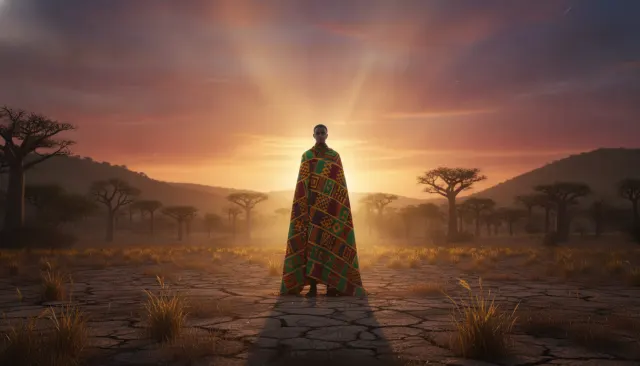
West African kente cloth (Ashanti, Ghana, woven in bright silk-and-cotton strips), Japanese kasuri (ikat weaving, irregular patterned resist-dye from Okinawa and Kyushu), Indian block-printed cottons (Jaipur), and Scandinavian folk embroidery all carry distinct visual identities. Compositing culturally specific textiles over documentary footage connects image to heritage in ways that digital filters cannot replicate. Lubaina Himid's painted textile works and Yinka Shonibare's Dutch wax cloth installations (the latter since the 1990s) both interrogate the cultural meaning of specific fabrics in relation to postcolonial identity.
Scanning textiles at 1200–2400 dpi on a flatbed scanner captures thread structure and surface irregularity invisible to photography. The scan is composited over footage in multiply, overlay, or soft light blend modes – the weave structure is preserved while the photographic content reads through.
In video, textile scans can be animated with subtle parallax drift – the textile layer moving at a slightly different rate than the photographic content – creating a sense of depth between the material surface and the image beneath. Alternatively, the textile pattern can be applied as a static frame treatment, with the video content playing through it as if seen through gauze or linen.
The screen texture tradition has historical precedent: linen-texture papers for photographic prints were standard options in portrait photography through the 1950s and 1960s, adding surface variety to otherwise smooth photographic surfaces. Flatbed scan textures in digital post-production serve the same purpose: giving photographic images a material identity beyond pure optical recording. The specific choice of textile – silk versus denim versus Harris Tweed versus raw linen – carries class, cultural, and geographic coding that art directors can deploy intentionally to reinforce subject matter.
Dutch wax cloth textile installations (1990s–present, Tate Modern)
*Wigs* textile and photograph series (1994, Sean Kelly Gallery)
painted and textile works (2017 Turner Prize winner)
narrative embroidery (c. 1070–1080, Normandy, displayed Bayeux Museum)
simultaneous textile and color field prints (1920s–1930s, Paris)
assemblage works incorporating African-American material culture (1970s–present)
bold pattern printed textiles used in photographic art direction (Finland, 1960s–present)
A Look is not a filter. It is a set of stored decisions the pipeline reads before it makes a single frame, so two videos in the same Look actually match.