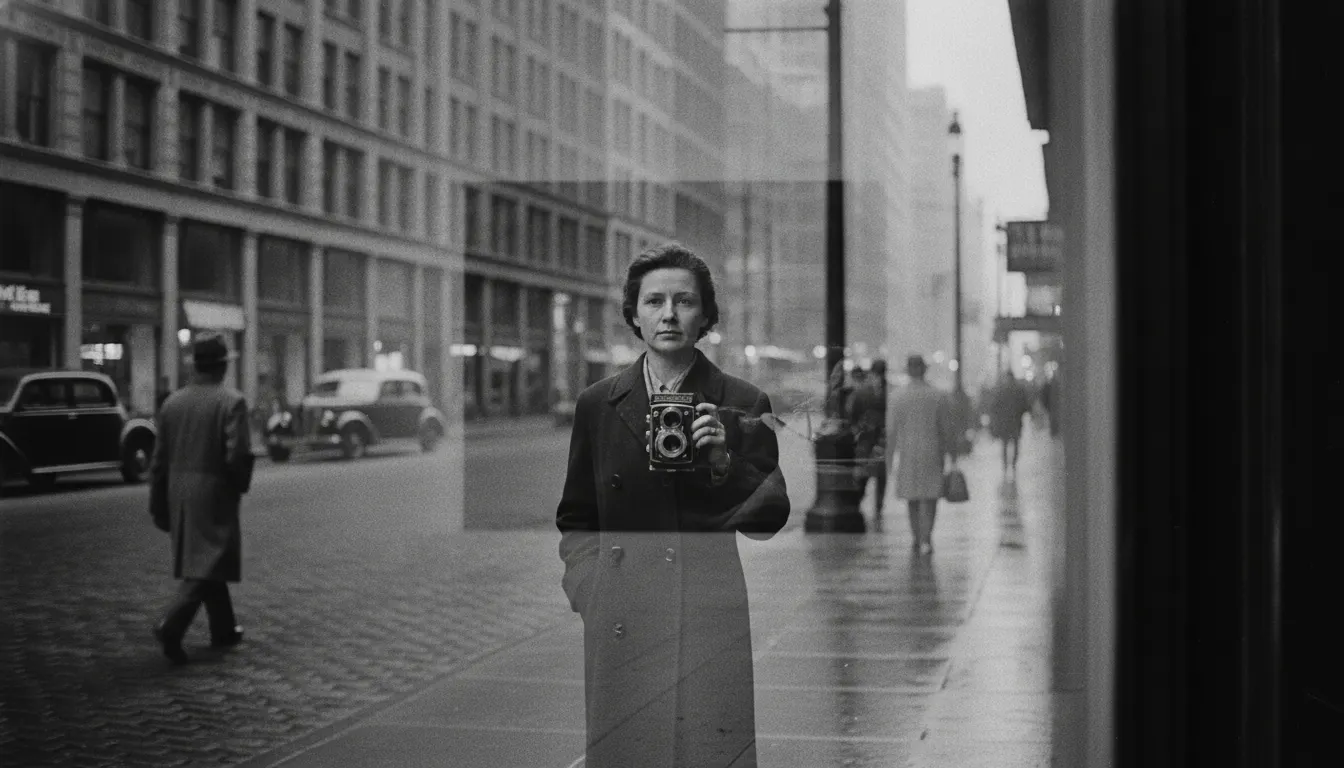
Finding Vivian Maier (documentary, 2014, dir. Maloof and Siskel)
Academy Award nominated
Vivian Maier Rolleiflex Chicago street. Waist-level square, candid reflection self-portrait, nanny-photographer mystery, monochrome dignity.
The moves a human crew would use to get here. Cue applies them for you, and knowing their names is how you ask for a change.
level viewfinder for discreet candid framing without raising camera to eye
format frame: geometric balance, strong centered compositions
and-white with high tonal contrast: rich blacks in shadow, bright specular highlights
within 3-6 feet for intimate documentation
Chicago winters, overcast northern light, harsh noon shadows in alleys
portrait reflections in windows, puddles, and car mirrors using the ambient environment
shooting volume without editing, trusting the archive
Vivian Maier is one of the most remarkable posthumous discoveries in photography history. A nanny working in the Chicago suburbs from the 1950s through the 1990s, Maier made approximately 150,000 photographs - the vast majority never developed or printed during her lifetime. When Chicago real estate broker and amateur historian John Maloof purchased a box of undeveloped film and prints at a storage auction in 2007 for , he began the process of uncovering one of the great documentary photography bodies of work of the 20th century.
Maier worked primarily with a Rolleiflex twin-lens reflex camera, supplemented in later years by a Leica and eventually a 35mm SLR. The Rolleiflex s waist-level viewfinder was central to her approach: rather than raising a camera to the eye (which signals to subjects that they are being photographed), the Rolleiflex is held at waist height and viewed from above, allowing the photographer to appear to be looking elsewhere while composing a precise frame. The square format of the Rolleiflex 2.8F became a signature element of her visual language.
Maier documented the streets of Chicago s North Side neighborhoods - particularly Lincoln Park, Old Town, and the Loop - across three decades. Her subjects were the ordinary residents of a mid-century American city: children on stoops, elderly women at bus stops, workers on their lunch breaks, homeless men in alleys, shopkeepers in their doorways. She had a particular eye for social marginalization, photographing people whom middle-class photography of the period systematically ignored.
Her self-portraits were exceptional: reflections in store windows, car mirrors, and puddles that showed her own figure with a formal rigor that anticipated contemporary conceptual self-portraiture by decades.
Maloof s discovery grew into a full archival rescue project: he purchased additional lots from the same auction house, had the film developed, and began digitizing and printing the work. The 2014 documentary Finding Vivian Maier (directed by Maloof and Charlie Siskel) brought her story to international audiences and earned an Academy Award nomination. Her work now hangs in major museums and commands significant prices at auction - wealth she never knew.
Academy Award nominated
first monograph
widely reproduced signature image
parallel to Chicago body of work
primary archive, Chicago
first major gallery exhibition 2011
A Look is not a filter. It is a set of stored decisions the pipeline reads before it makes a single frame, so two videos in the same Look actually match.
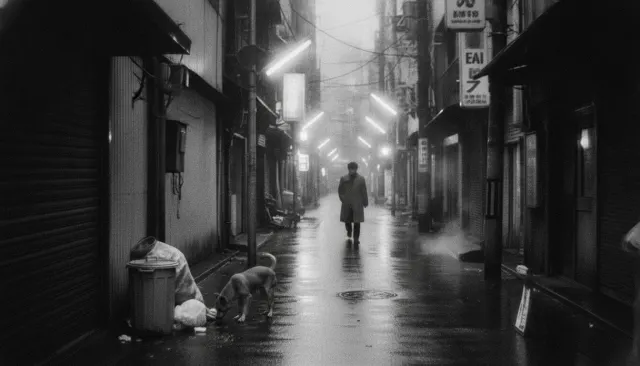 Street PhotographyDaido Moriyama BW Grain Japan
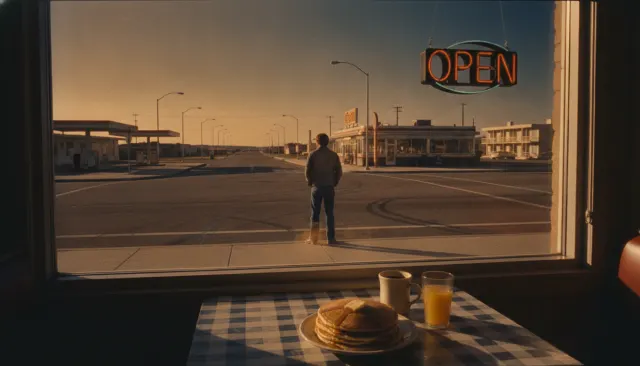 Photographers Fine ArtStephen Shore Color Uncommon Places
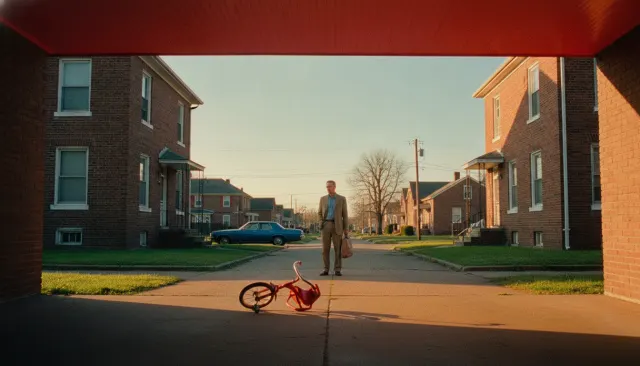 Photographers Fine ArtWilliam Eggleston Color Democratic
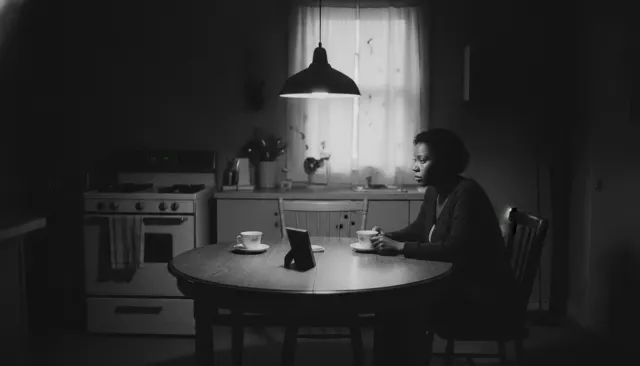 Photographers Color ModernCarrie Mae Weems Narrative BW
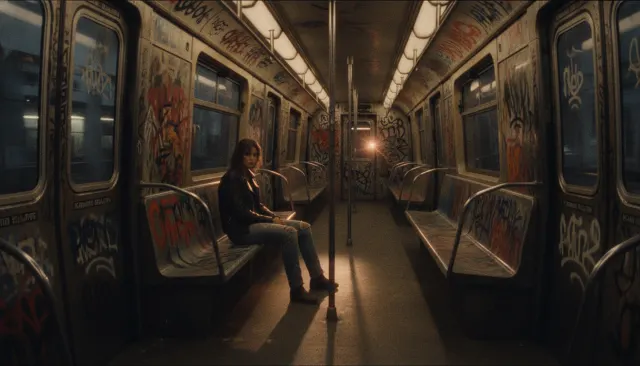 Street PhotographyBruce Davidson Subway Flash
 Photographers Color ModernTyler Mitchell Warm Young Black Culture