MoMA solo exhibition (1976, curated by John Szarkowski)
legitimizing color photography as fine art
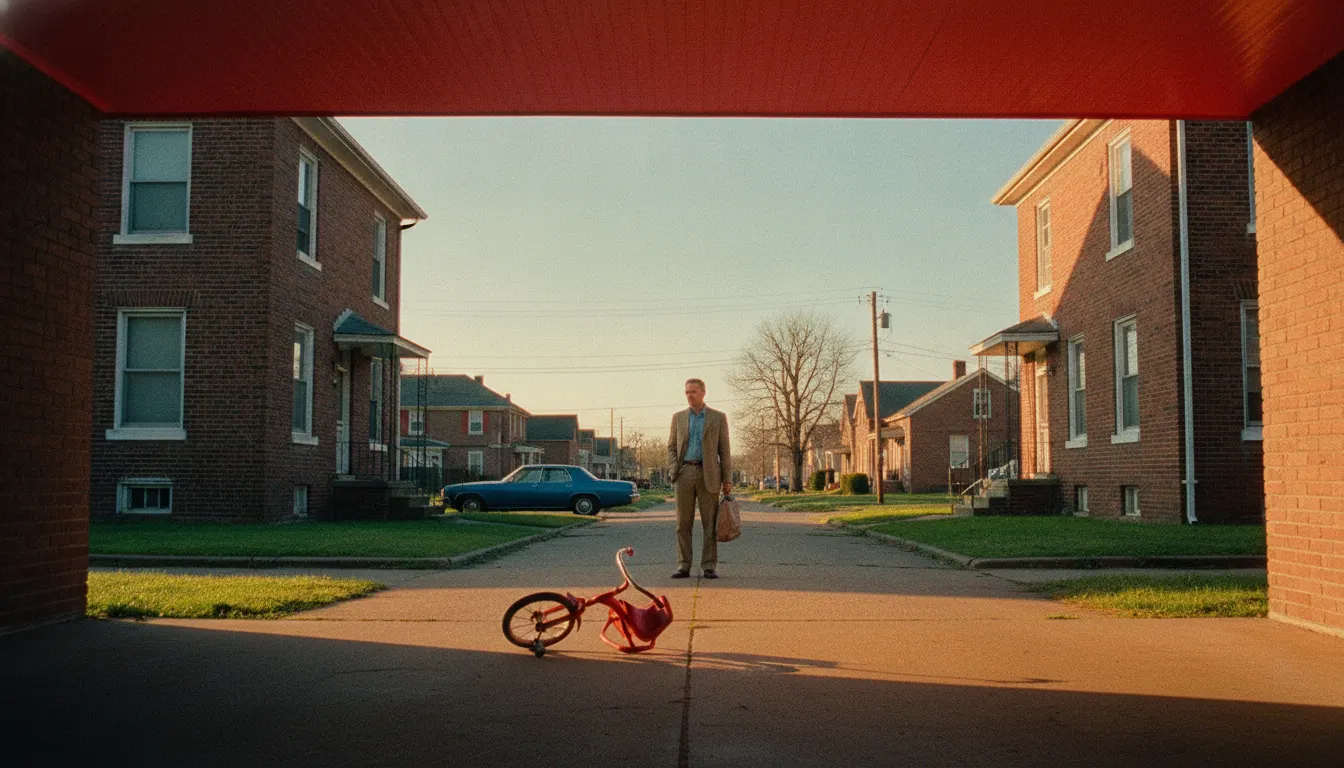
William Eggleston dye-transfer Memphis. Democratic color, banal subject sanctified, red ceiling tricycle low-angle, fine-art color legitimized.
The moves a human crew would use to get here. Cue applies them for you, and knowing their names is how you ask for a change.
transfer printing from Kodachrome originals: extraordinary color density, saturated reds and blues
eye or low angle on ordinary subjects to create unexpected monumental scale
deliberate naivety as compositional strategy
tricycle, gas station, celebrity subject - all receive the same attentive frame
deliberate complementary and contrasting color relationships within each frame
cars, televisions, gas stations, domestic interiors
William Eggleston s 1976 solo exhibition at the Museum of Modern Art in New York was among the most consequential single events in the history of photography. Before the show, color photography was considered an inferior, commercial medium, unsuitable for serious artistic practice. The MOMA show, curated by John Szarkowski, forced the art world to reckon with color as a legitimate fine-art photographic vocabulary. Eggleston s images have been called the first important color photographs, and the description is not an overstatement.
Eggleston s major book project, The Democratic Forest (1989), published by Doubleday with an introduction by Eudora Welty, extended his working method across a vast collection of images made in the American South, Memphis, and beyond. The title encodes his philosophy: every subject in the frame has equal democratic weight. A tricycle in a Memphis driveway, a bare bulb on a ceiling, a car parked in a gravel lot - each receives the same attentive gaze that another photographer might reserve for monuments or celebrities.
The MoMA exhibition catalog, published in 1976, presented dye-transfer prints made from 35mm Kodachrome slides. Dye-transfer printing, then used primarily for commercial applications like advertising and magazine reproduction, produces extraordinary color density and saturation - richer than conventional chromogenic (C-print) technology. Eggleston s reds are almost violent in their intensity; his blues have a depth that digital reproduction still struggles to match.
Eggleston s compositions frequently employ a worm s-eye or ground-level perspective that gives ordinary subjects an unexpected monumentality. He often places the visual center of the image at the geometric center of the frame, violating conventional off-center composition rules with apparently naive results that are actually deliberate. His color relationships are precise: a red subject on a green background, a blue sky against a white structure, a yellow interior against a brown exterior. Color is not decorative but structural.
His subjects are drawn from the vernacular Southern American landscape: cars, televisions, supermarket interiors, gas stations, backyards, Elvis memorabilia. The world he photographs is overlooked, ordinary, and entirely specific. There is no nostalgia in the images - he does not romanticize his subjects - but there is an intense, leveling attention.
Eggleston s influence is pervasive and acknowledged across commercial photography, fashion, cinema (Sofia Coppola has cited him explicitly), and contemporary fine-art practice. His work prefigures New Topographics, the streetwear aesthetic of Supreme and its photographers, the Instagram vernacular, and virtually every form of deliberately casual, color-forward photography.
legitimizing color photography as fine art
most reproduced single Eggleston image
defining democratic subject
1992
London and England departure from Southern subject matter
A Look is not a filter. It is a set of stored decisions the pipeline reads before it makes a single frame, so two videos in the same Look actually match.
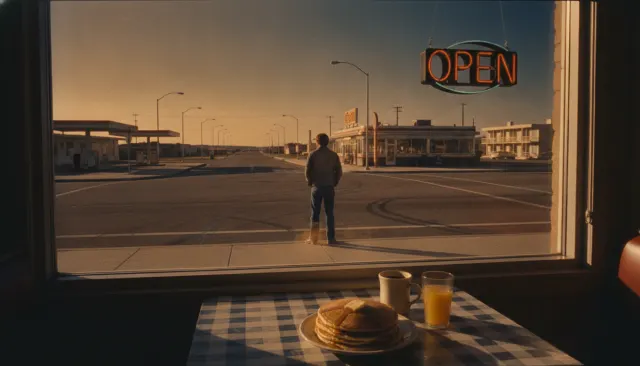 Photographers Fine ArtStephen Shore Color Uncommon Places
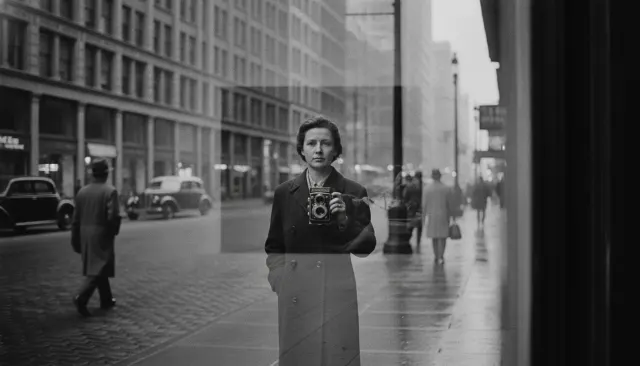 Street PhotographyVivian Maier Chicago Street
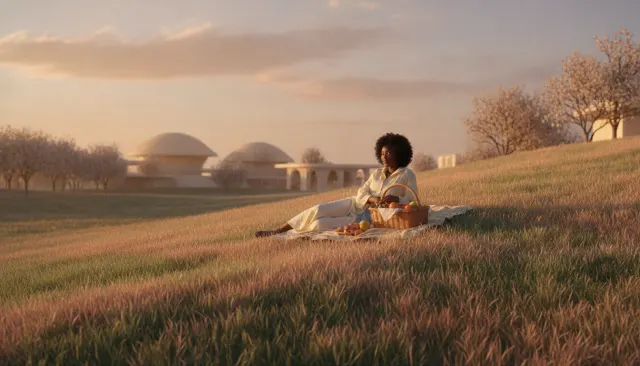 Photographers Color ModernTyler Mitchell Warm Young Black Culture
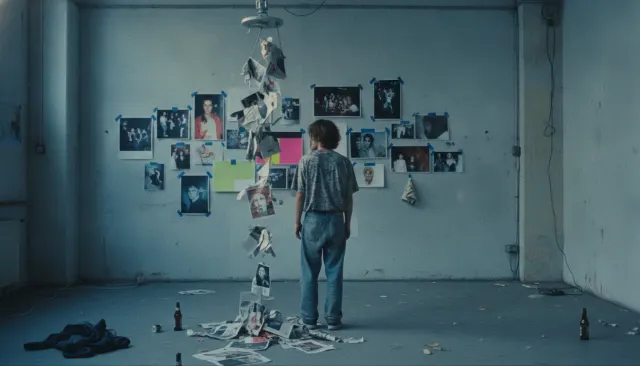 Photographers Fine ArtWolfgang Tillmans Casual Everyday
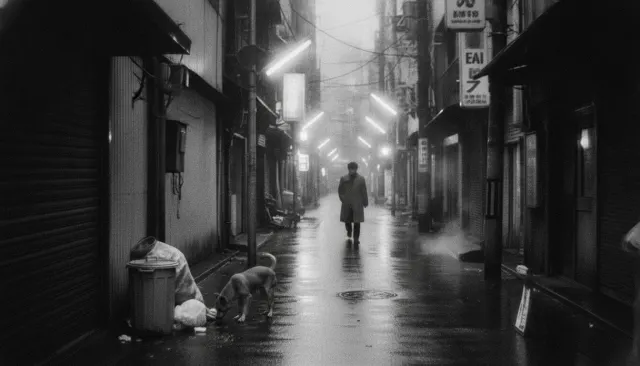 Street PhotographyDaido Moriyama BW Grain Japan
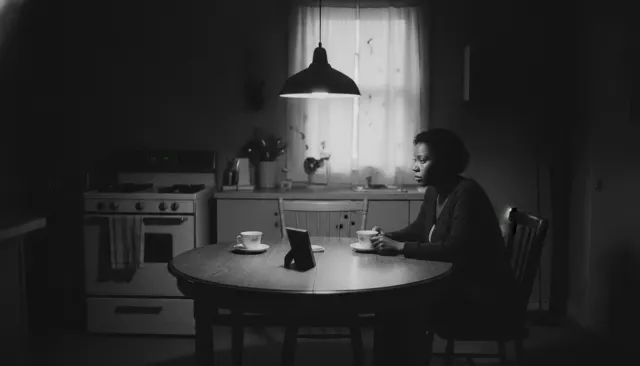 Photographers Color ModernCarrie Mae Weems Narrative BW