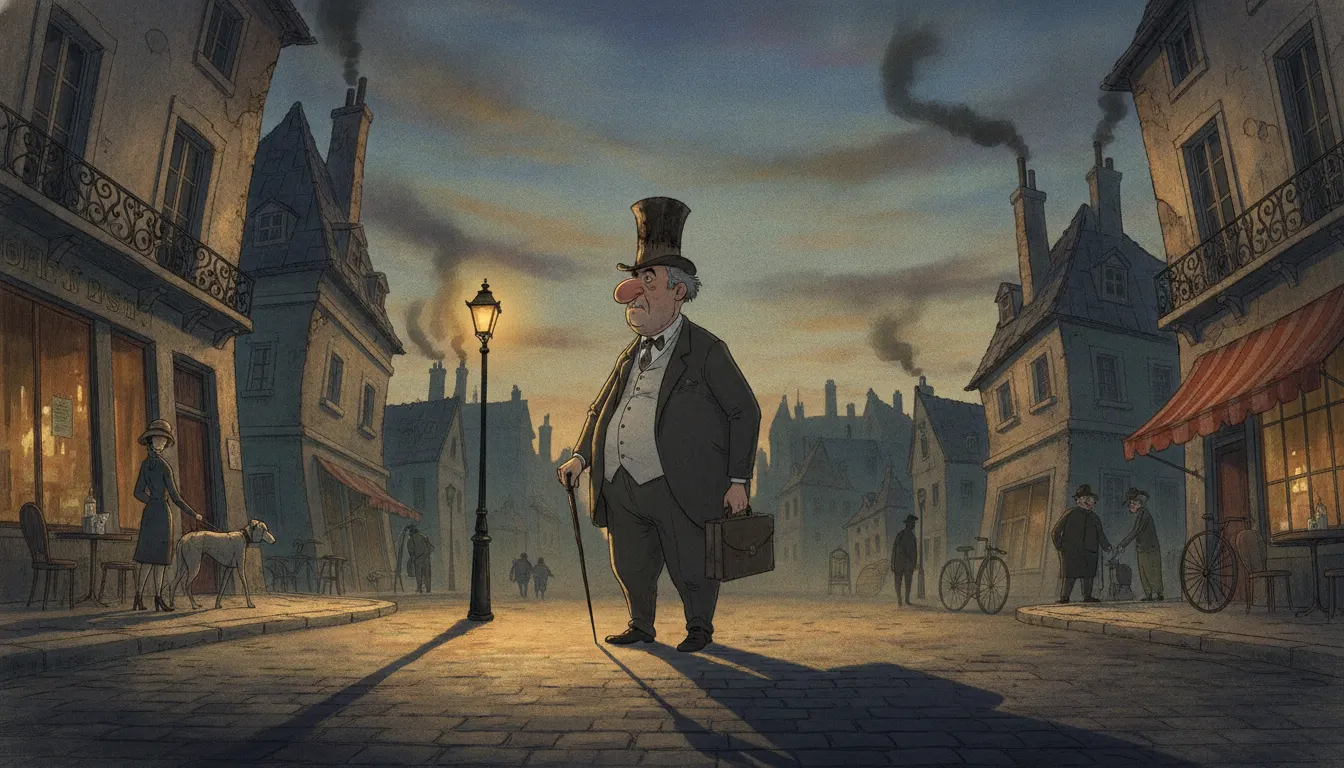
The Triplets of Belleville
Sylvain Chomet / Les Armateurs · 2003
Debut feature - Academy Award nominated, establishing the caricature mid-century aesthetic
Sylvain Chomet Triplets of Belleville exaggerated caricature. European street-scene composition, elongated character anatomy, jazz-age palette.
The moves a human crew would use to get here. Cue applies them for you, and knowing their names is how you ask for a change.
Bodies distorted by their owners' occupations and personalities - cyclist legs vastly elongated, musicians with instrument-shaped bodies, gluttons architecturally fat
Muted tobacco browns, olive greens, and faded pinks suggesting aged film stock, post-war European patina, and pre-television color culture
Narrative delivered through expression, gesture, and environmental detail with minimal dialog - descended from silent film physical comedy tradition
Slow, contemplative comedic beats following Tati's approach - building gags through environmental accumulation rather than rapid-cut punchlines
Recognizable European urban environments (Haussmann Paris, Edinburgh stone tenements) rendered with documentary accuracy beneath the caricature characters
Character outlines maintaining the quality of individual draftsmanship - slight roughness suggesting a single animator's hand rather than studio line-smoothing
Sylvain Chomet is a French animator and director whose two major feature films - The Triplets of Belleville (2003) and The Illusionist (2010) - represent the highest modern achievement of French caricature animation, a tradition descending from nineteenth-century political illustration and the work of satirical magazines like Le Charivari and L'Assiette au Beurre.
Les Triplettes de Belleville (French title) was produced by Les Armateurs and Dicy Films. The film features virtually no dialog, relying entirely on visual storytelling and sound design. Chomet's character design is extreme caricature: the Triplets themselves are elderly women with enormous mouths and tiny bodies, musicians whose proportions violate anatomy for comic-grotesque effect. Champion, the cyclist protagonist's grandson, has vastly elongated legs from cycling training - his body distorted by his sport.
Bruno the dog is the film's emotional anchor: a plump, melancholy beagle rendered with warmth and recognizable canine neuroticism. Madame Souza, Champion's grandmother, is tiny, fierce, and slightly hunched - her character arc is pure determination rendered through posture and expression.
The color palette uses muddy, desaturated 1940s-50s tones - olive greens, tobacco browns, faded roses - suggesting aged film stock or hand-tinted photographs from the mid-century. Chomet was deeply influenced by Jacques Tati's Mon Oncle (1958) and Playtime (1967) in both visual gag construction and the satirical portrait of modernity.
L'Illusionniste adapts an unproduced script by Jacques Tati himself, using Tati's physical comedy aesthetic as both subject and formal inspiration. The film is set in 1959 Scotland, and Chomet's animation captures the wet grey palette of Edinburgh and the Highlands with melancholic precision. The illusionist character is directly modeled on Tati's Hulot character in posture and timing.
Chomet's animation uses traditional hand-drawn production techniques with digital ink-and-paint. The character lines are expressive and slightly rough - maintaining the quality of personal draftsmanship rather than the clean precision of Disney-era studio production. Background environments are rendered with architectural specificity: Paris in Belleville is recognizable in its Haussmann geometry; Edinburgh in The Illusionist captures specific neighborhood textures.
Chomet represents the post-Sylvain Chomet artistic tradition of auteur European animation - personal, literary, visually specific, and commercially marginal by choice. His influence is visible in French and Belgian animation schools and in the revival of caricature-based character design.
Sylvain Chomet / Les Armateurs · 2003
Debut feature - Academy Award nominated, establishing the caricature mid-century aesthetic
Sylvain Chomet (adapting Jacques Tati script) · 2010
Second feature - adaptation of Tati's unproduced script, Edinburgh setting, melancholic auteur animation
Sylvain Chomet · 1998
Short film that preceded Belleville, establishing the caricature grotesque European style
Jacques Tati · 1958
Primary live-action influence - Tati's comedic modernity critique that Chomet directly channels
Benoît Charest (composer) · 2003
Belleville soundtrack - Django jazz and musette aesthetics that define the film's emotional register
Dianne Jackson / Channel 4 · 1982
UK contemporary in similar melancholic, near-silent animated film tradition with soft watercolor
A Look is not a filter. It is a set of stored decisions the pipeline reads before it makes a single frame, so two videos in the same Look actually match.
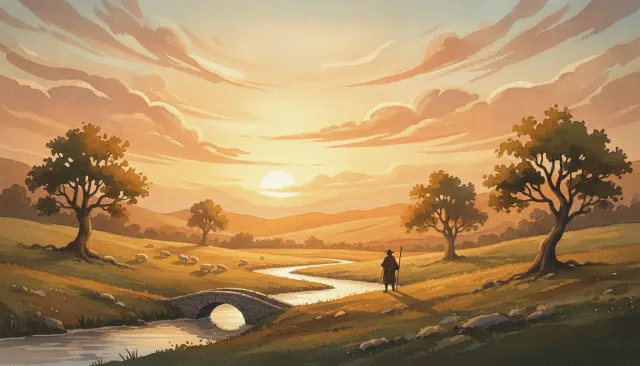 Painterly AnimeStudio Ghibli
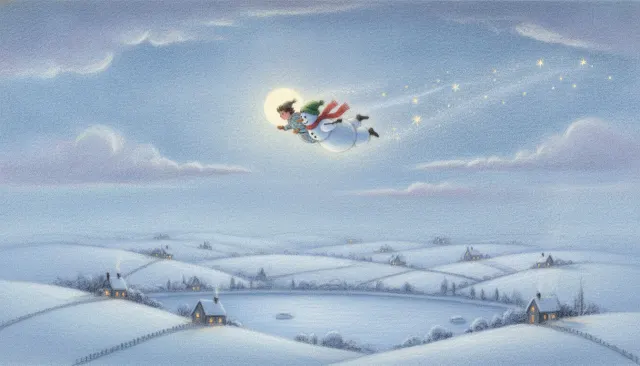 Childrens BookThe Snowman Raymond Briggs Pastel
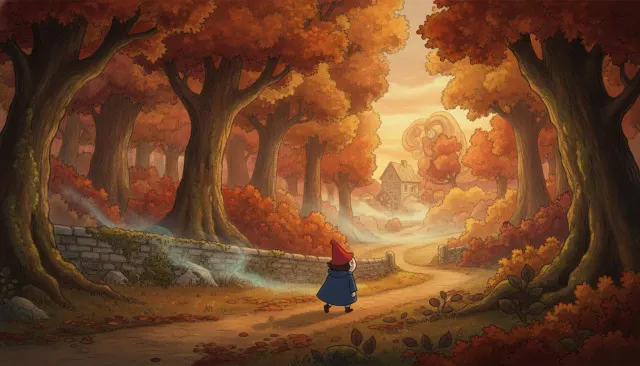 Cn Modern PastelOver the Garden Wall Folktale
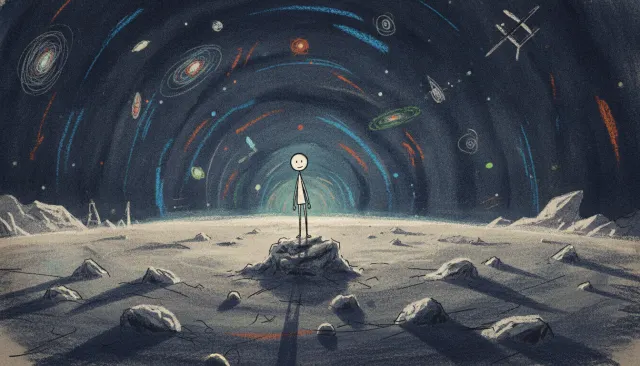 Indie Art AnimationDon Hertzfeldt Stick Figure
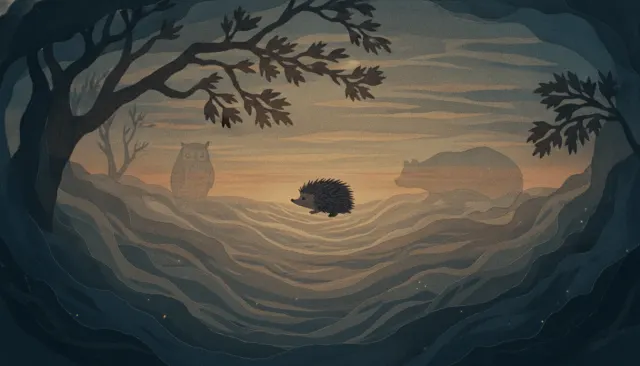 European FolkYuri Norstein Cutout Silhouette
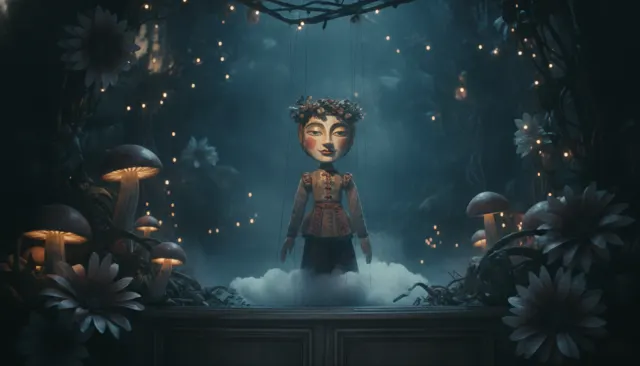 Eastern European ExperimentalJiri Trnka Czech Puppet Classic
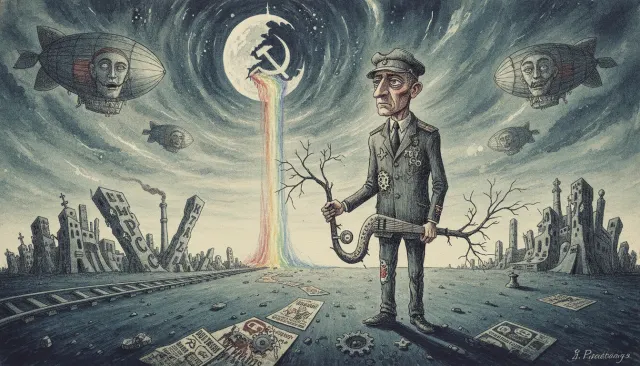 Eastern European ExperimentalPriit Parn Estonian Surreal Animation