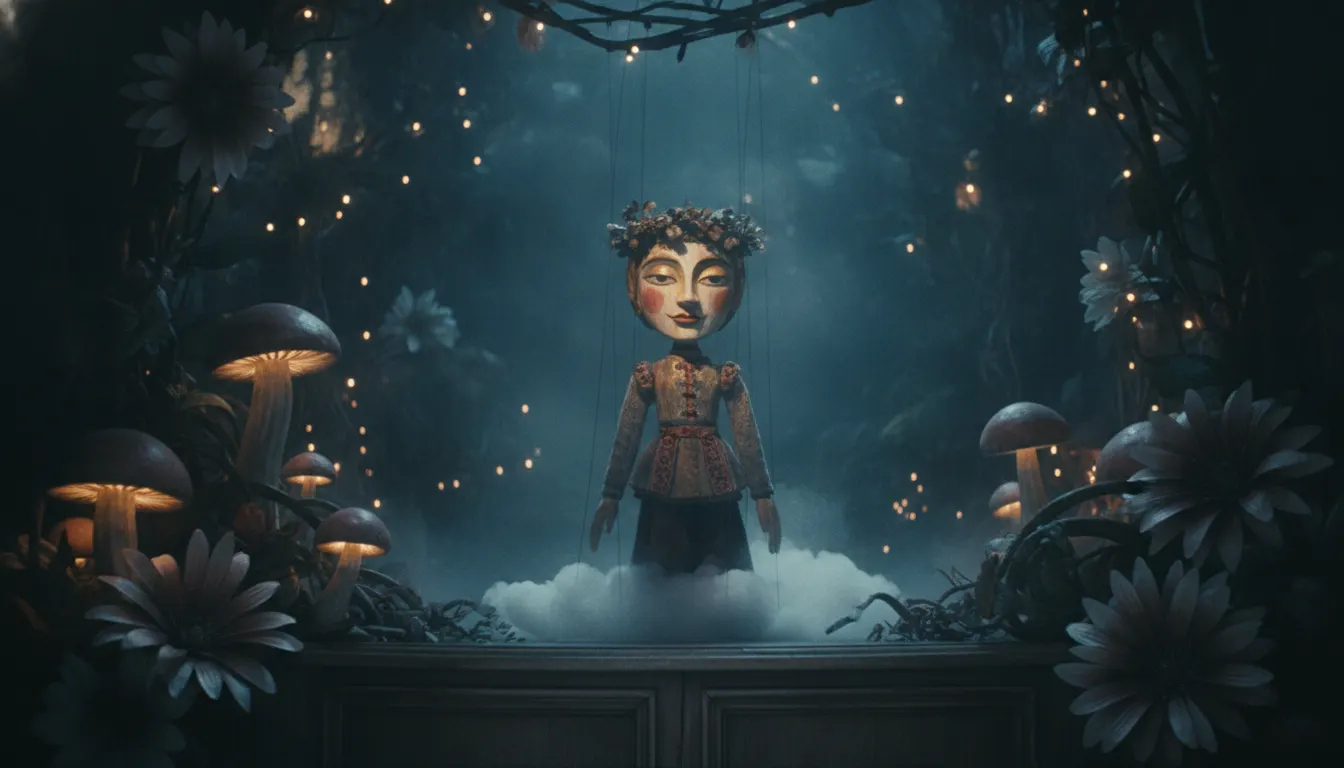
The Czech Year / Spalicek -- six-chapter Bohemian seasonal folk cycle
1947
In the tradition of Jiri Trnka Czech puppet animation. Hand-carved wooden marionettes with painted faces on lush storybook stage sets, Midsummer Night dreaminess.
The moves a human crew would use to get here. Cue applies them for you, and knowing their names is how you ask for a change.
carved wooden puppet faces with painted features and limited, expressive facial geometry
light simulation suggesting candle or oil-lamp sources
forest green, muted crimson, honey yellow, unbleached linen white
embroidered textile costumes referencing Moravian needlework
mache and painted-canvas sets with visible craft texture
part facial animation creating expressive but physically tactile lip-sync
Jiri Trnka (1912-1969) is the defining figure of Czech puppet animation and broader Central European folk-craft cinema. Trained as a sculptor and illustrator under Josef Skupa -- father of the beloved Spejbl and Hurvinek marionettes -- Trnka founded the Studio Bratri v Triku (Brothers in Trick) animation unit in Prague in 1945. Within a decade he had produced a body of work that elevated puppet film to the level of literary and visual art.
Trnka's aesthetic draws deeply on Bohemian folk tradition: hand-carved linden-wood faces with painted features, velvet and brocade costumes that reference 19th-century Czech national dress, and sets built from papier-mache, straw, and painted canvas. Lighting favors warm amber and ochre, mimicking candle or lantern light, and creates a late-afternoon golden hour feel even in interior scenes. The camera moves slowly and thoughtfully, treating the puppet stage as a theatrical space rather than a special-effects platform.
His most celebrated films draw on Czech fairy tales and folk literature. The Czech Year / Spalicek (1947) is a six-chapter seasonal cycle based on rural Bohemian customs: Shrovetide, spring plowing, Midsummer Night, harvest, and winter. The Emperor's Nightingale (1948) adapts the Hans Christian Andersen tale with an overlay of Czech surrealism. The Good Soldier Svejk (1954-55) uses his puppet language to satirize Austro-Hungarian bureaucracy. His final feature, The Hand (1965), is a near-wordless allegory about artistic freedom under totalitarianism -- widely read as a protest against Communist cultural censorship.
Each puppet head was individually carved and painted. Trnka used replacement mouths and brow pieces for lip-sync and expression, a technique refined by his team of animators at Bratri v Triku. Fabrics were sourced from folk-textile suppliers, and the color palettes -- muted reds, forest greens, honey yellows -- reference Moravian embroidery traditions. The result is an image that reads simultaneously as animation and as a photographed craft object.
Trnka won the Grand Prix at Cannes and Venice multiple times. His influence extends to Jan Svankmajer (who worked at the same studio), the British Cosgrove Hall puppet productions, and contemporary stop-motion studios like Laika. For videographers, his look signals handmade authenticity, Central European cultural identity, and a gentle, nostalgic register that suits heritage, cultural, and artisanal content.
1947
1948
1950
1959
1965
1949
A Look is not a filter. It is a set of stored decisions the pipeline reads before it makes a single frame, so two videos in the same Look actually match.
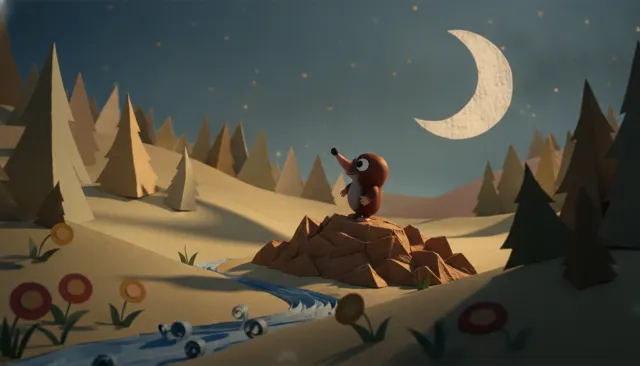 Traditional Puppet ExtendedCzech Bratri v Triku Classic
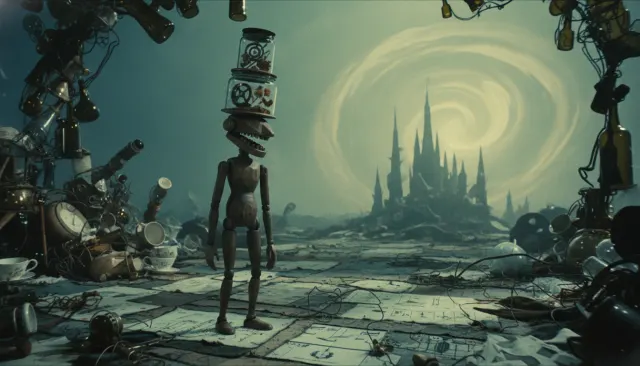 Traditional Puppet ExtendedCzech Svankmajer Surreal Puppet
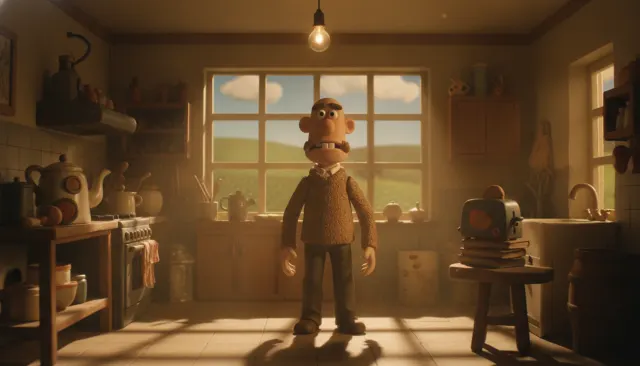 ClaymationAardman Wallace and Gromit Claymation
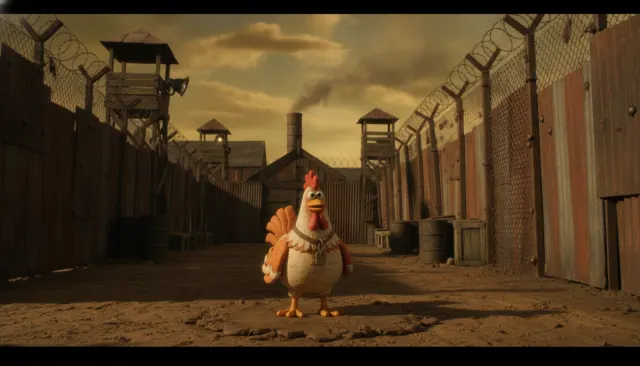 ClaymationAardman Chicken Run
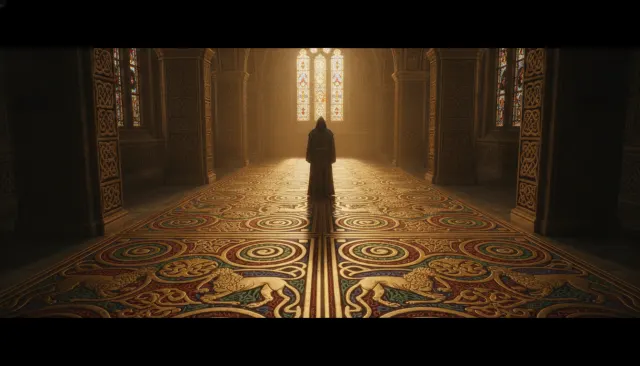 Historical Illuminated ExtendedBook of Kells Celtic Illuminated
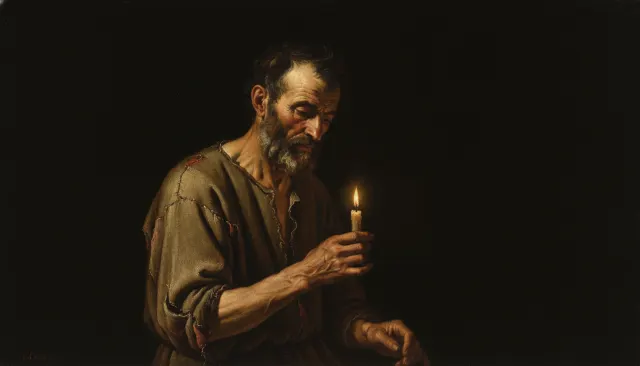 Art Movement ClassicalBaroque Painting Caravaggio