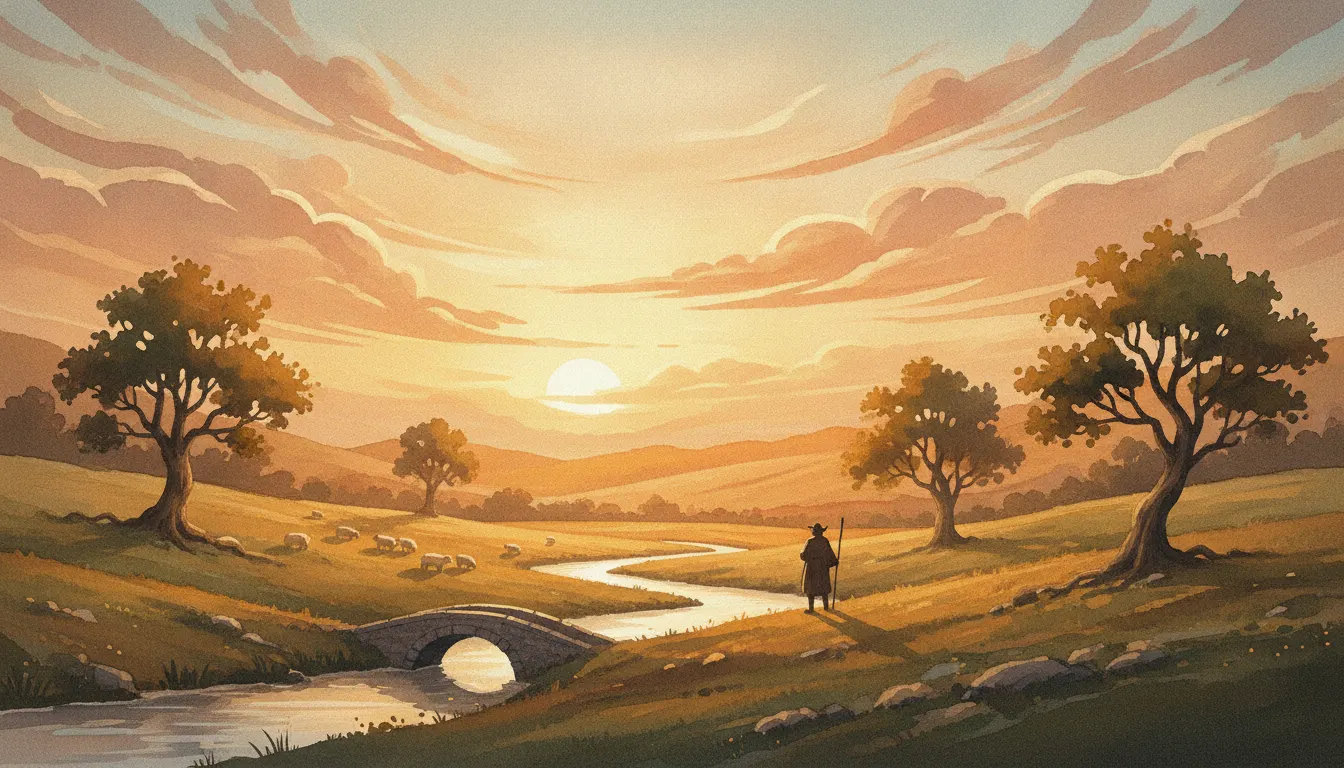
My Neighbor Totoro
1988
dir. Hayao Miyazaki, background art Kazuo Oga
Hand-painted watercolor wash. Painterly skies, warm pastoral palette, soft hopeful light.
The moves a human crew would use to get here. Cue applies them for you, and knowing their names is how you ask for a change.
plane camera movement through layered painted backgrounds, creating physical depth in two-dimensional animation
between care -- every puddle splash, ocean wave, and rain drop physically convincing
fabric moves with its own momentum, trailing behind character motion and resisting changes in direction
painted environments contain readable individual leaves, grass blades, and wood grain at any zoom level
important character actions allowed to unfold without dialogue, trusting visual performance alone
meals depicted with sensory specificity and cultural care that makes them emotionally significant
the specific Ghibli green -- deep, warm, and luminous -- that has become a global visual shorthand for natural wonder
Studio Ghibli was co-founded in 1985 by Hayao Miyazaki, Isao Takahata, and Toshio Suzuki (producer) following the critical and commercial success of Miyazaki's Nausicaa of the Valley of the Wind (1984, Topcraft). Based in Koganei, Tokyo, Ghibli became the defining institution of Japanese feature animation over four decades of production.
Miyazaki's aesthetic is built on a set of deeply held philosophical commitments: animism (the belief that all things, including wind, water, and soil, possess spirit), flight as freedom, young women as protagonists, and the complexity of moral choice. His films are visually distinguished by:
My Neighbor Totoro (1988) establishes the rural Japanese countryside aesthetic -- hand-painted greenery of almost hallucinatory detail. Princess Mononoke (1997) introduced digital compositing at Ghibli while maintaining hand-painted backgrounds and characters. Spirited Away (2001) won the Academy Award for Best Animated Feature (2003), the only non-English film to win on its initial release. Howl's Moving Castle (2004) demonstrated Ghibli's facility with surreal mechanical fantasy. The Wind Rises (2013) applied the Ghibli visual vocabulary to historical drama.
Isao Takahata co-founded Ghibli but pursued a wholly different aesthetic: Grave of the Fireflies (1988) used WWII realism; Only Yesterday (1991) applied impressionistic pastel watercolor to domestic memory; Pom Poko (1994) used deliberate style shifts between realistic and comedic modes; The Tale of Princess Kaguya (2013) used sumi-e brushwork and deliberately incomplete linework.
Ghibli's background art is painted on paper or digitally painted to simulate paper texture, using gouache and watercolor to build scenes with atmospheric depth. The palette avoids pure saturated primaries, preferring organic mixed tones: the specific green of Japanese satoyama countryside, the grey-blue of coastal mist, the warm amber of wooden interiors.
The Ghibli Museum in Mitaka, Tokyo (opened 2001, designed with Miyazaki's direct input) extends the studio's visual world into physical space -- hand-painted signs, Totoro at reception, and a rooftop robot from Castle in the Sky. This physical presence of the Ghibli aesthetic reinforces its quality as a coherent visual world rather than just an animation style. The Nippon Television partnership for broadcast rights and the Disney international distribution relationship (from 1997, facilitating the Spirited Away Oscar win) gave Ghibli global visibility unusual for any animation studio outside Disney/Pixar itself. The Boy and the Heron (2023), Miyazaki's most recent feature, won the Academy Award for Best Animated Feature (2024), making Miyazaki the only director to win the award twice.
1988
dir. Hayao Miyazaki, background art Kazuo Oga
1988
dir. Isao Takahata, WWII realism counterpart to Totoro
1997
dir. Miyazaki, digital compositing introduction at Ghibli
2001
dir. Miyazaki, Academy Award Best Animated Feature 2003
2004
dir. Miyazaki, mechanical fantasy aesthetic
2013
dir. Takahata, sumi-e brushwork variant
2023
dir. Miyazaki, late-career synthesis
1984
dir. Miyazaki, pre-Ghibli precursor
A Look is not a filter. It is a set of stored decisions the pipeline reads before it makes a single frame, so two videos in the same Look actually match.
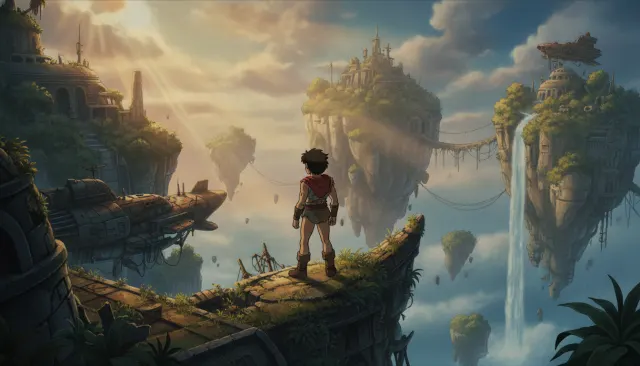 Era Classic Anime Expanded70s Future Boy Conan Miyazaki Early
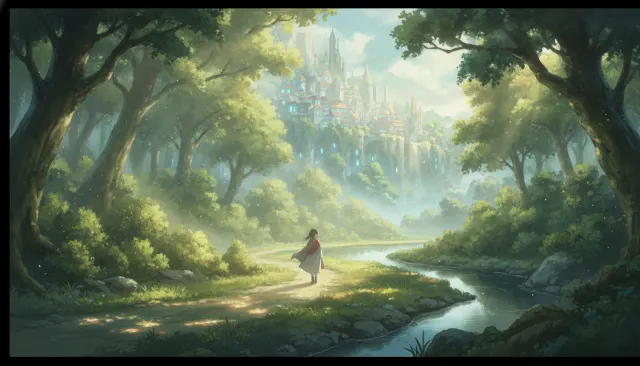 Subgenre NicheSlice of Life Iyashikei Mushishi Calming
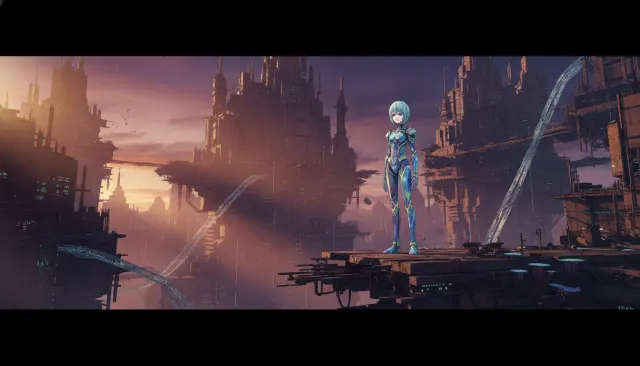 Indie 3DAnime 3D Hybrid Modern
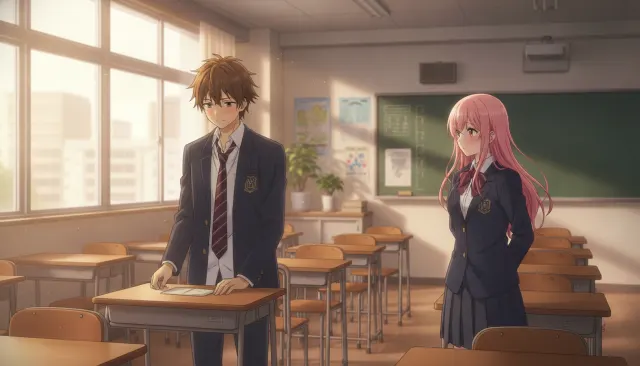 Subgenre Romance ComedySchool Romance Classroom Anime
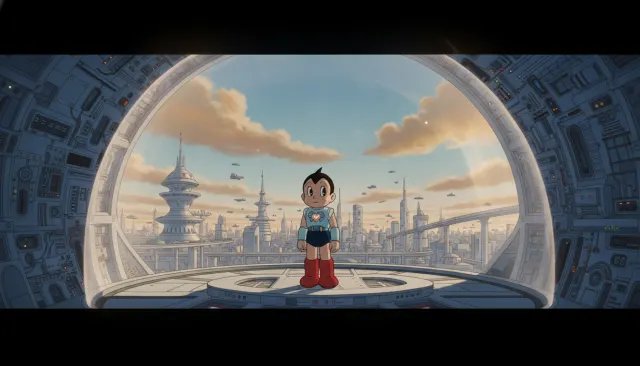 Era Classic Anime Expanded60s Tezuka Astro Boy Detailed
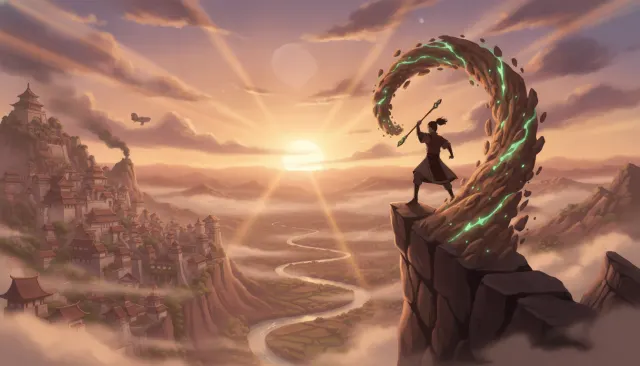 Kids Cn Action ClassicAvatar The Last Airbender Anime-Influenced Western