British Algae: Cyanotype Impressions
Anna Atkins · 1843-1853
First photographically illustrated book, 17 hand-produced copies using contact cyanotype prints of dried algae specimens - the defining work of the process
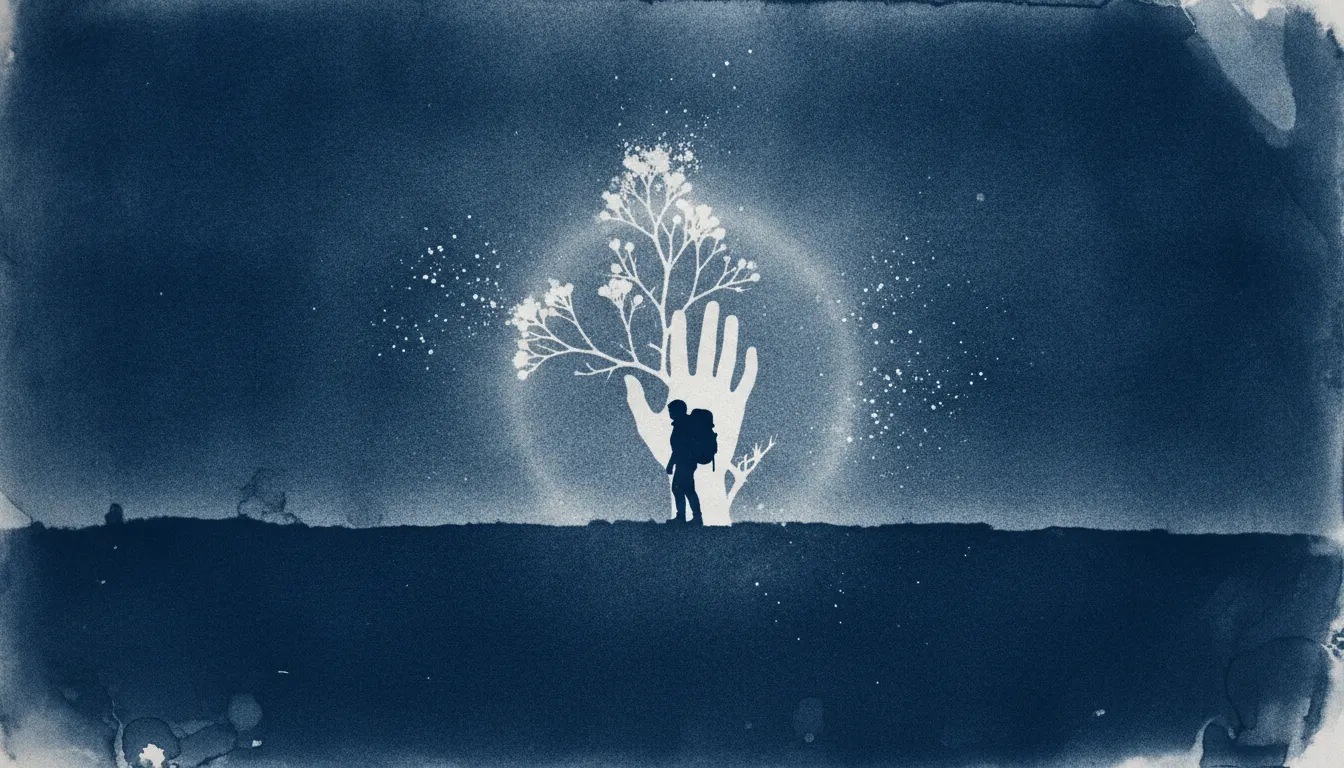
Modern cyanotype sun-print aesthetic. Deep Prussian blue substrate with white silhouette of botanical specimen or hand, granular paper texture, UV exposure pattern.
The moves a human crew would use to get here. Cue applies them for you, and knowing their names is how you ask for a change.
The definitive Prussian blue color produced by ferric-ferrocyanide complex formation - approximate hex #003153 in shadows, lighter cyan-blue in midtones.
Objects placed directly on coated paper produce pure white silhouettes where they blocked UV light, the fundamental cyanotype image type.
Digital negatives or glass-covered film negatives in direct contact produce continuous-tone photographic images with white highlights and deep blue shadows.
Post-development immersion in black tea or coffee solution shifts Prussian blue toward brown-gray, producing warmer, aged-looking cyanotype tones.
Cotton, linen, and silk coated with cyanotype chemistry produce images integrated into the textile weave structure, visible through transmitted light.
Brief sodium carbonate bleaching followed by re-development in tap water can solarize dense areas, producing inverted tone pockets in the print.
Exposure under full sun, overcast diffuse light, or UV lamp produces different contrast and detail levels, controllable as a tonal parameter.
The cyanotype is a photographic printing process that produces characteristic Prussian blue images on paper or fabric using iron(III) ammonium citrate and potassium ferricyanide chemistry. Invented by Sir John Herschel in 1842, it became the first photographic process widely available to amateurs and scientists alike - its low cost, daylight-only exposure requirement, and household chemistry made it genuinely accessible a full century before the Instamatic camera democratized consumer photography.
Anna Atkins was the most significant early practitioner. Her British Algae: Cyanotype Impressions (1843-1853) is universally recognized as the first book illustrated with photographs. Atkins placed dried algae specimens directly on cyanotype-coated paper and exposed them in sunlight, producing white silhouettes of the specimens on a deep Prussian blue ground. She produced approximately 17 copies of the book by hand, distributing them to scientific institutions. A complete copy sold at Christie's in 2018 for £562,500.
The cyanotype was widely used for technical reproduction through the 19th and early 20th centuries - the blueprint in engineering and architecture was a cyanotype process applied to technical drawings, producing the white-on-blue plans that named the entire category of technical reproduction. Cyanotype blueprinting remained in industrial use until electrostatic copying replaced it in the 1960s-1970s.
The modern cyanotype revival runs on two parallel tracks. Fine art practitioners including Mike Ware (who developed the New Cyanotype formula in 1994, producing richer tones and better archival stability), Christina Z. Anderson, and Sandy King push the process's art-historical limits with large-format negatives, toning with black tea or coffee, and combination with other alternative processes.
The mass-market track runs through the Jacquard Sun Print kit (first widely available in the 1990s), sold in museum shops and education suppliers worldwide as a simple daylight exposure experiment. Sun print paper is pre-sensitized cyanotype paper for children and casual users, requiring only object placement, sunlight exposure, and water development. Thousands of school programs use it annually for science-art integration. The "sun print" term is primarily associated with this kit-chemistry variant.
Undiluted classic cyanotype produces Prussian blue (#003153 approximately). Toning in black tea, tannic acid, or coffee shifts the Prussian blue toward brown-gray and black; sodium carbonate bleaches it toward ivory before re-developing; gold chloride toning shifts it toward warm gray. Fabric cyanotype (Prochem cyanotype formula on cotton, silk, or linen) is the dominant textile variant, used in fashion, quilt making, and surface design.
Anna Atkins · 1843-1853
First photographically illustrated book, 17 hand-produced copies using contact cyanotype prints of dried algae specimens - the defining work of the process
Anna Atkins and Anne Dixon · 1843
Companion volume co-produced with Anne Dixon showing the collaborative nature of early scientific cyanotype production
Mike Ware · 1994
Technical breakthrough providing improved tonal range, shadow detail, and archival stability over the original Herschel formulation
Jacquard Products · 1990s-present
Mass-market pre-sensitized cyanotype paper bringing the process to educational and craft contexts globally
various surface designers · 2000s-present
Extensive contemporary use of cyanotype on fabric for fashion, quilting, and surface design applications
various architects and engineers · 1880s-1960s
Industrial cyanotype application for technical reproduction that named an entire category of technical drawing and gave the process its broadest cultural impact
A Look is not a filter. It is a set of stored decisions the pipeline reads before it makes a single frame, so two videos in the same Look actually match.
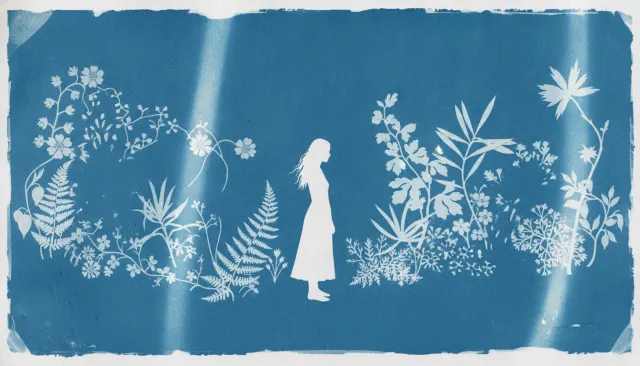 Vintage Formats ExtendedCyanotype Blue Print Historical
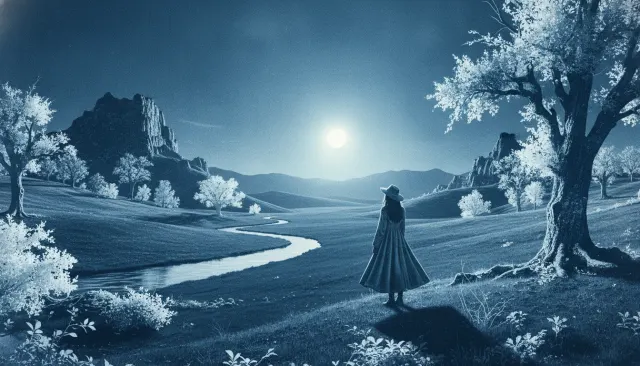 Print Process HybridBlueprint Cyanotype Mix with Photo
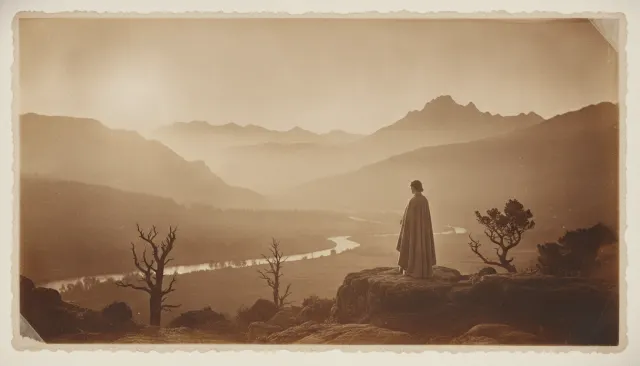 Analog Process ExtendedSalt Print Modern Experimental
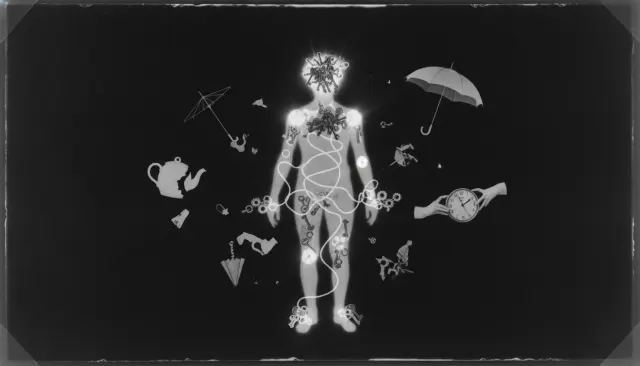 Analog Camera ExtendedPhotogram Man Ray Rayograph
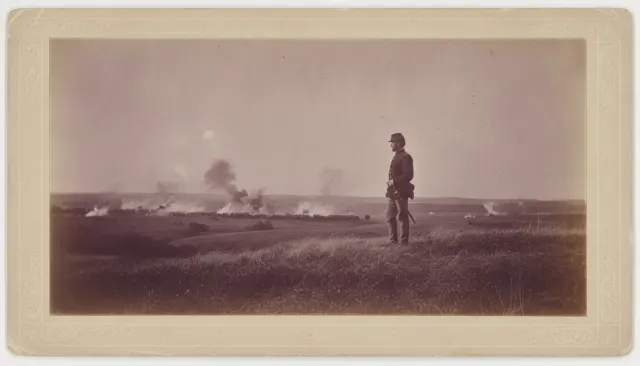 Vintage Formats ExtendedAlbumen Print 1860s Portrait
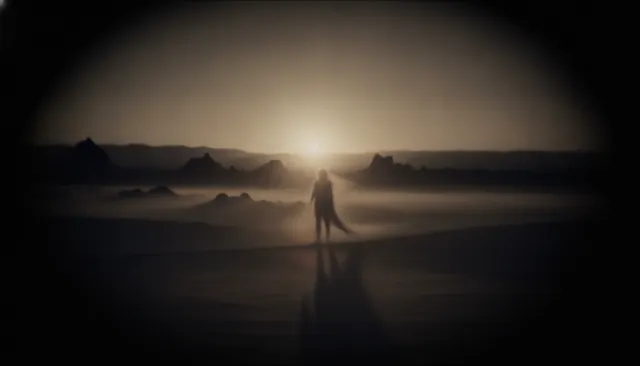 Analog Camera ExtendedPinhole Camera Soft Vignette