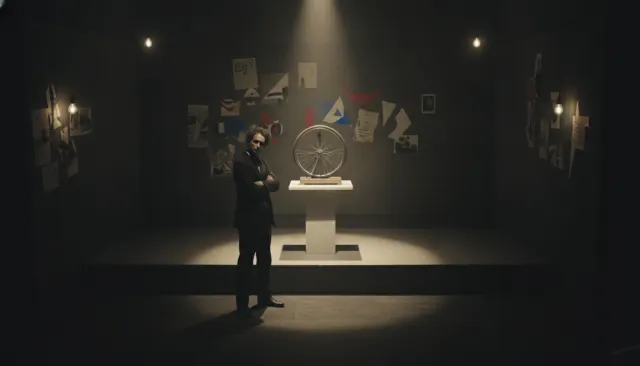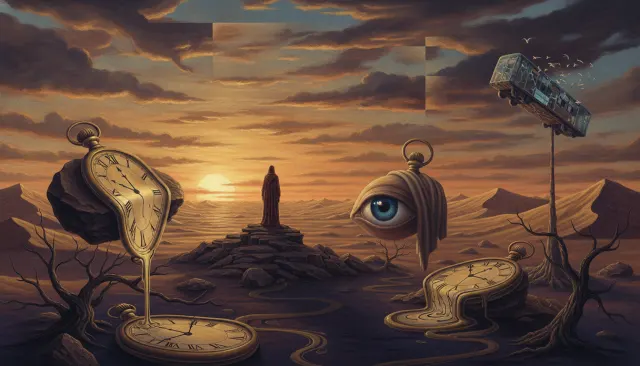
Rayograph series
Man Ray · 1921-1930
Foundational Dadaist camera-less photographs made in his Paris darkroom, first exhibited with Tristan Tzara in 1922
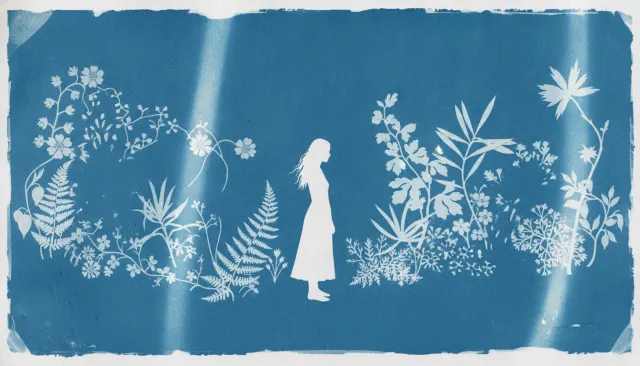
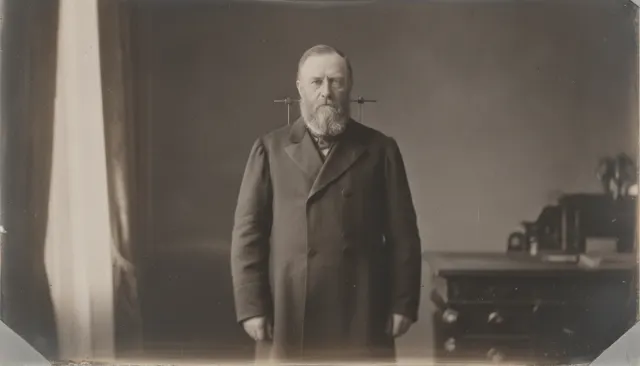
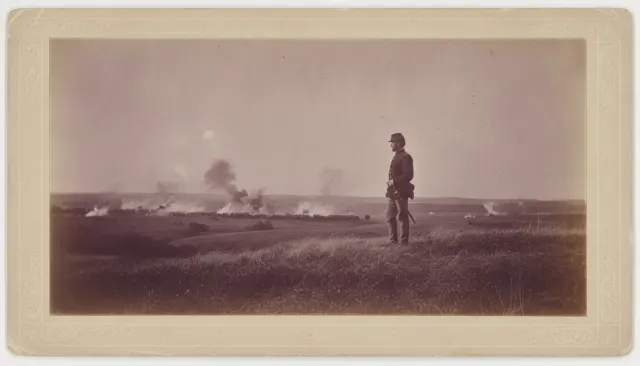
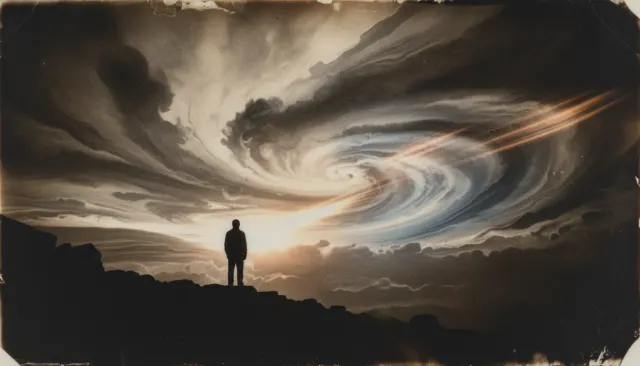
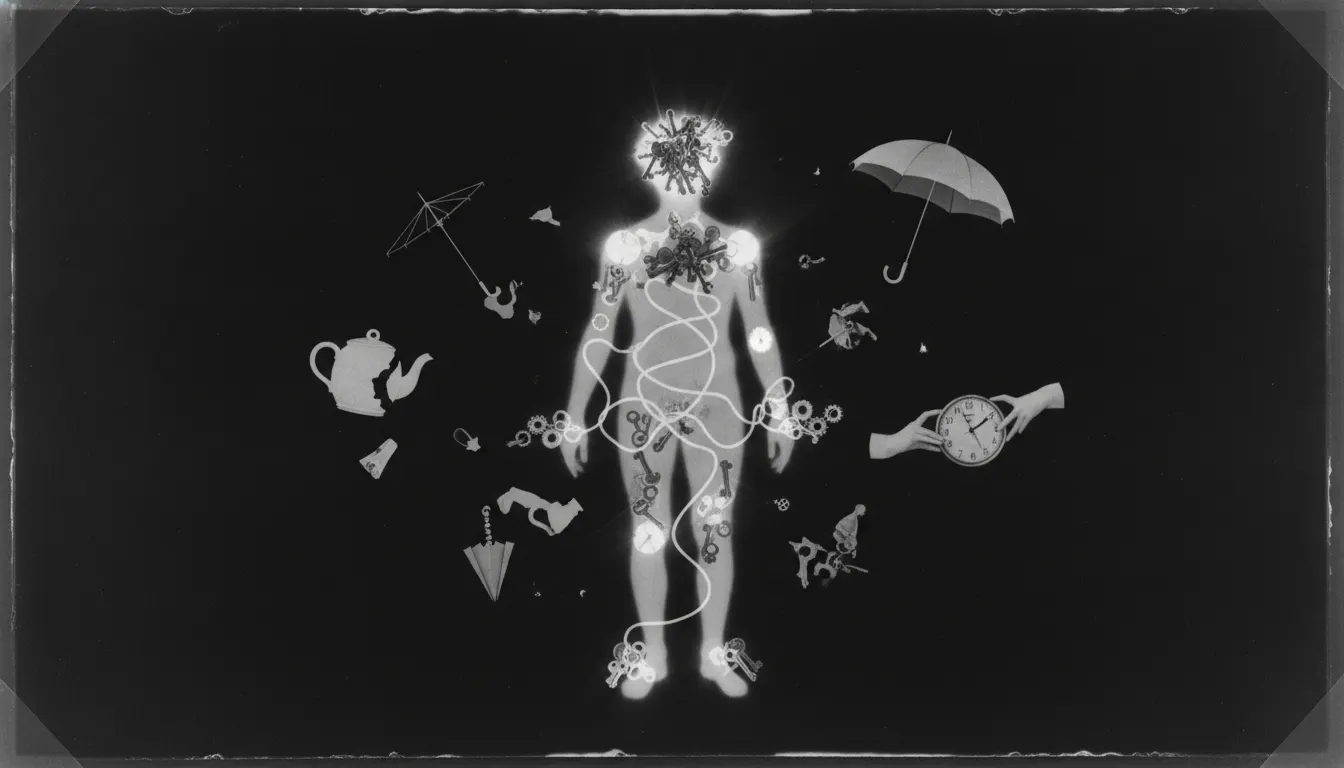
Inspired by Man Ray rayograph photogram tradition. Objects placed directly on photo-sensitive paper, soft glowing silhouettes against deep black, surrealist composition of everyday objects.
The moves a human crew would use to get here. Cue applies them for you, and knowing their names is how you ask for a change.
Physical objects placed on photosensitive paper, creating 1:1 scale silhouettes that are indexically exact.
Transparent or semi-opaque objects - glass, cellophane, fabric, water - produce intermediate gray tones that reveal internal material structure.
Light-blocking objects appear white against a dark ground, inverting normal photographic expectation - the signature perceptual disorientation of the photogram.
Multiple objects at different heights create layered gray registers that the eye reads as spatial depth on a flat surface.
Moving objects during exposure produces blurred or sweeping forms that suggest motion in the camera-less medium.
Light diffraction around object edges produces soft halos rather than hard shadows, giving photogram silhouettes their characteristic ghostly quality.
Juxtaposing natural specimens (leaves, hands, insects) against mechanical objects (springs, gears, combs) for Surrealist conceptual tension.
The photogram is the oldest photographic technique, predating the camera: objects placed directly on photosensitive paper and exposed to light produce silhouettes and translucency studies that reveal form through its shadow. Man Ray's rayographs, made starting in 1921 in Paris, transformed this utilitarian darkroom accident into a Dadaist and Surrealist art form - one that treated the photogram not as documentation but as poetic image-making.
William Henry Fox Talbot made what he called photogenic drawings in 1834-1835 by placing botanical specimens on sensitized paper in sunlight. Christian Schad made Schadographs in Geneva in 1918, and László Moholy-Nagy made photograms at the Bauhaus from 1922 onward, pursuing their scientific and constructivist potential.
Man Ray's rayographs, named in his honor by Tristan Tzara, are the most art-historically celebrated because of their Surrealist conceptual framework. Beginning in 1921 in his Paris darkroom on Rue Campagne-Première, Man Ray placed objects - springs, combs, thumbtacks, hands, tobacco, glass funnels - directly on enlarging paper and exposed them to a bare bulb. The resulting images had no photographic precedent in their combination of pure white, modulated gray (from translucent objects), and rich black ground.
The visual signature of the rayograph is the inversion of normal photographic logic: objects that block light become white or pale against a black-developed ground. Transparent or translucent objects produce intermediate grays that reveal their internal structure - a glass spiral, a crumpled cellophane wrapper, or a water-filled container creates tonal gradients impossible to achieve in lens-based photography.
The scale relationship is direct and indexical: a hand placed on the paper produces a hand-sized image. Objects overlap, creating registers of dark and light that the eye reads as depth even though no space actually exists between the paper plane and the objects. Man Ray frequently combined multiple exposures and moved objects during exposure to produce motion studies.
Photogram practice continues in analog photography education as a foundational darkroom exercise. Contemporary photographers including Susan Derges (river photograms made in situ at night), Adam Fuss (photograms of rippling water and infant forms), and Floris Neusüss have developed the medium's visual vocabulary far beyond the Dadaist origin. Digital simulation using Photoshop's multiply blending modes, gradient masks, and inverted high-key extraction can approximate the look.
Man Ray · 1921-1930
Foundational Dadaist camera-less photographs made in his Paris darkroom, first exhibited with Tristan Tzara in 1922
William Henry Fox Talbot · 1834-1835
First photogram series, placing lace and plant specimens on Wedgwood-sensitized paper as precursor to photography
Christian Schad · 1918-1919
Dadaist Geneva photograms using torn newspaper, wire, and fabric predating Man Ray's Paris work
László Moholy-Nagy · 1922-1928
Constructivist photograms exploring light as a creative medium at the Dessau Bauhaus
Susan Derges · 1990s
Large-scale photograms made by immersing photographic paper in rivers at night and exposing by flash
Adam Fuss · 1992
Chromogenic photogram of water ripple in a bathtub, extending the medium into large-format color
A Look is not a filter. It is a set of stored decisions the pipeline reads before it makes a single frame, so two videos in the same Look actually match.