Pinhole portraits
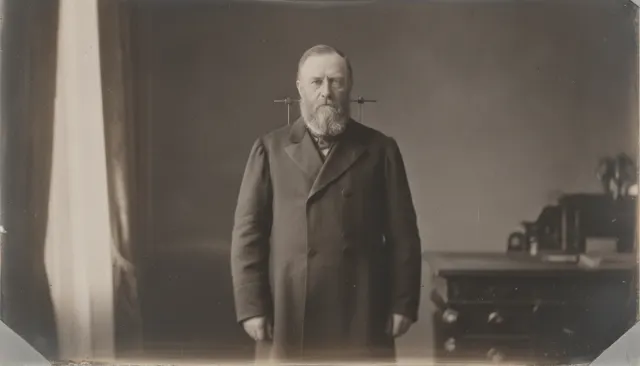
Edward Steichen · 1890s
Pictorialist pinhole portraits that deliberately avoided lens sharpness in favor of a painterly, tonal quality
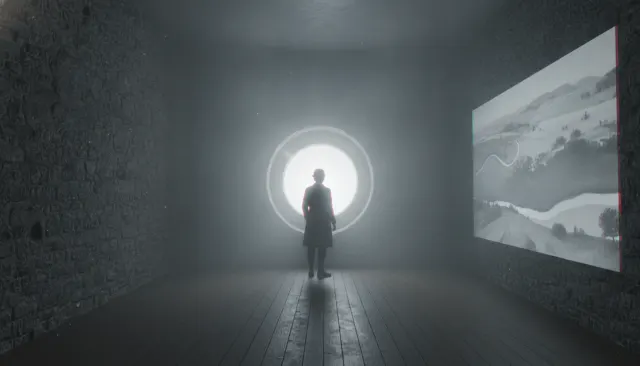
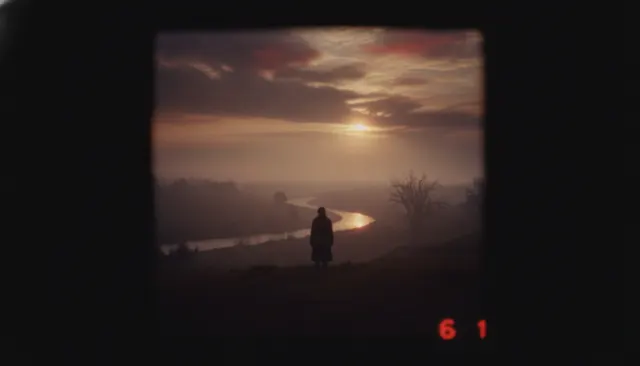
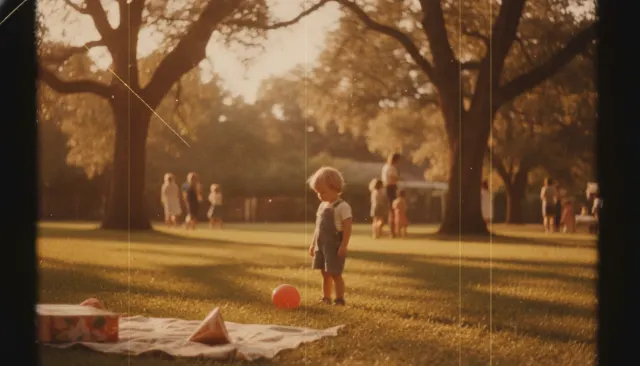
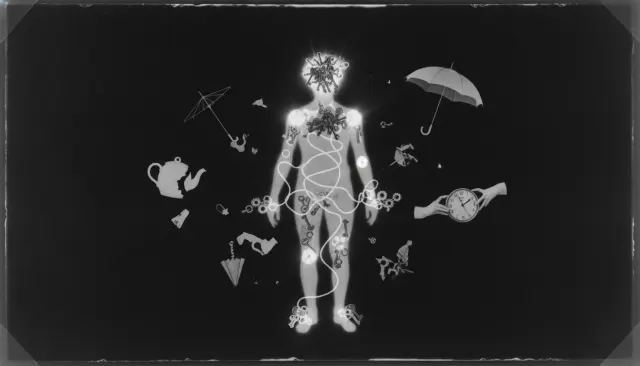
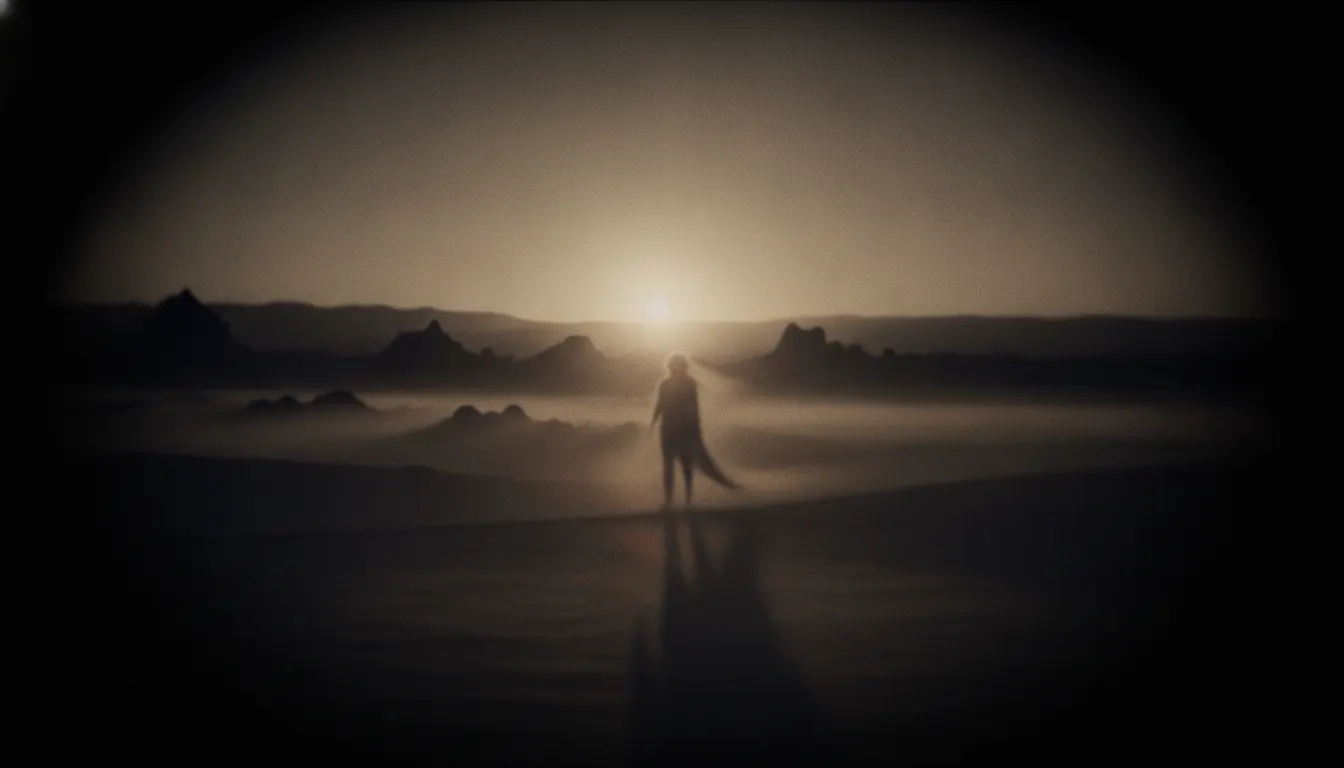
Modern pinhole camera photograph aesthetic. Long-exposure soft focus, dramatic radial vignette, infinite depth, organic light wrap, no lens distortion.
The moves a human crew would use to get here. Cue applies them for you, and knowing their names is how you ask for a change.
Extreme light falloff from center to edges, much more pronounced than conventional lenses - often dropping two or three stops at the corners.
Everything from very close foreground to distant background appears at the same level of soft focus simultaneously, since there is no focal plane.
Diffraction at the sub-millimeter aperture produces a consistent soft glow across the entire image, not the same as lens blur or motion blur.
At f/150-f/300, even bright daylight requires seconds-long exposures, producing motion blur and cloud streaks as a byproduct.
Pinhole cameras have natural barrel or pincushion distortion depending on paper/film curvature, giving straight lines a gentle bow.
Uneven illumination at extreme angles causes color temperature shifts toward the corners - cooler blues or warm yellows depending on light source.
Fine art pinhole photographers often use photographic paper rather than film, producing heavy, visible grain that integrates with the softness.
Pinhole photography eliminates the lens entirely, replacing it with a sub-millimeter aperture that admits light at extremely slow rates over exposures that range from seconds to hours. The result is images of infinite depth of field - everything from centimeters to infinity is equally sharp (or equally soft) - combined with a distinctive softness, heavy vignetting, and compression that no conventional optic produces.
The camera obscura, which preceded photography by several centuries, functioned as a pinhole device: Giambattista della Porta described it in 1558 in Magia Naturalis. When photography arrived in the 1830s, early practitioners including Hippolyte Bayard and the anonymous operators of traveling salesman cameras used pinhole or near-pinhole setups before commercial lenses were widely available.
The Lensless Camera Manufacturing Co. of Chicago made purpose-built pinhole cameras in the 1880s, selling to amateur photographers who sought the soft, painterly quality that sharp lenses could not produce. The Pictorialist movement of the 1890s-1910s embraced pinhole as part of its anti-sharp-photo stance, and photographers like Edward Steichen made pinhole portraits that looked closer to gum bichromate prints than conventional photographs.
Zero Image cameras (Hong Kong, 1990s-present) are precision-machined wooden pinhole cameras that remain popular among fine art photographers. Holga Pinhole (2010s) brought a plastic-bodied pinhole back to the mass market. The iPhone pinhole adapter market (Pinwide app, Holga Digital, various DIY body-cap pinholes) extended the aesthetic to smartphone photography in the 2010s.
The digital pinhole simulates the soft central focus, exaggerated vignette, and slight diffraction glow by combining Gaussian blur with radial falloff and color shift toward the edges - the standard pinhole emulation available in VSCO, Lightroom presets, and dedicated apps like Pinhole Camera.
The critical parameter is the pinhole diameter relative to the focal length (f-number), which in practical pinhole cameras runs from f/100 to f/400 - compared to f/1.4-f/22 for conventional lenses. At these extreme f-numbers, diffraction becomes the limiting factor for sharpness rather than lens aberration. The optimal pinhole diameter by Lord Rayleigh's formula is proportional to the square root of the wavelength times focal length, giving visible-light pinholes in the 0.2-0.5mm range.
Edward Steichen · 1890s
Pictorialist pinhole portraits that deliberately avoided lens sharpness in favor of a painterly, tonal quality
Tarja Trygg / various · ongoing
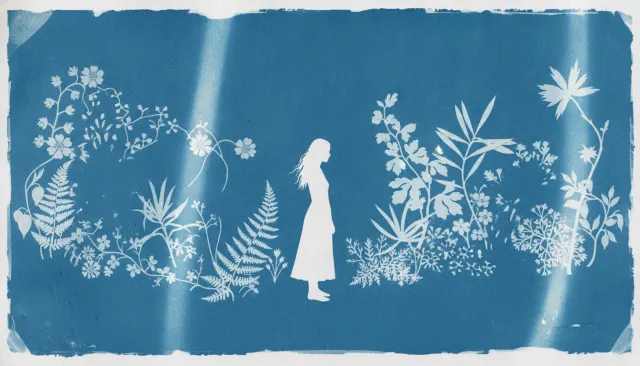
Six-month pinhole exposures made with beer-can cameras recording the sun's arc from solstice to solstice
various fine art photographers · 2000s-present
Medium format pinhole work using Zero Image precision cameras, showing the full range of the modern pinhole aesthetic
Worldwide Pinhole Photography Day collective · 2001-present
Annual global event held last Sunday of April, documenting over 100,000 pinhole images in the online archive
Justin Quinnell · 2007
Year-long solargraph pinhole solargraphy capturing the sun's path, widely shared and credited with popularizing ultra-long pinhole exposure
Lensless Camera Manufacturing Co. · 1880s
First commercial pinhole camera manufacturer, establishing the market for soft, lens-free photography
A Look is not a filter. It is a set of stored decisions the pipeline reads before it makes a single frame, so two videos in the same Look actually match.