Genesis
book published by Taschen, 2013 (standard and collector's editions)
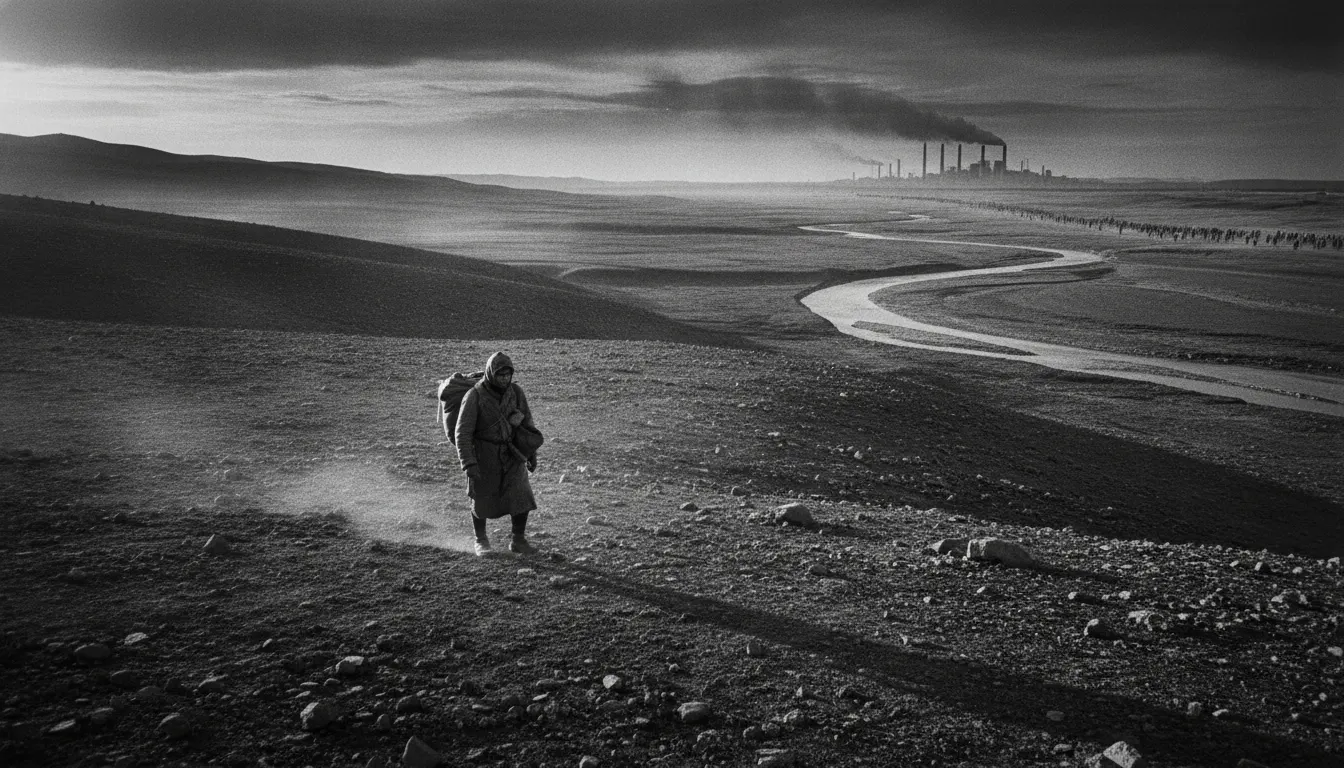
Sebastião Salgado epic bw landscape. Genesis-era panoramic, deep silver-gelatin tonality, Workers and Migrations social-documentary monumental.
The moves a human crew would use to get here. Cue applies them for you, and knowing their names is how you ask for a change.
no crushed blacks, luminous highlights with retained texture
art baryta paper printing or digital equivalent maximizing D-max and tonal gradation
glaciers, migration herds, ocean surfaces, mountain ranges photographed at their full visual weight
format film cameras for the specific grain and tonal response of silver-based emulsions
scale geographic abstraction
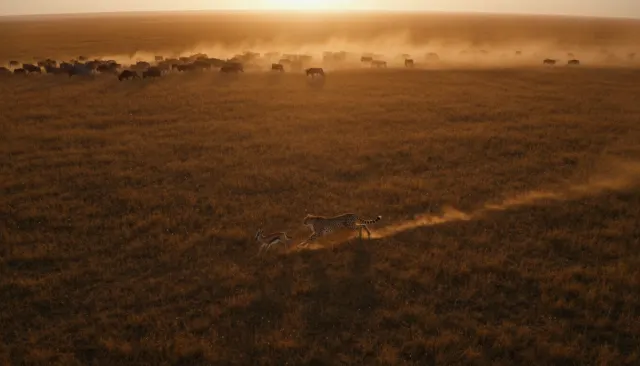
migration, feeding, territorial display photographed in context rather than isolation
subjects and light conditions waited for over hours or days to achieve maximum tonal drama
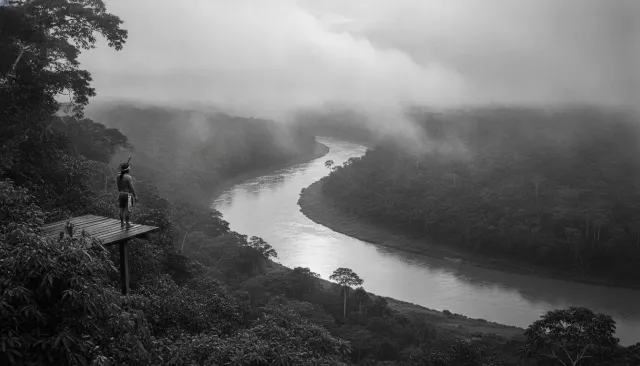
Genesis was Salgado's most ambitious project: an eight-year global survey (2004-2012) documenting the approximately 46% of the Earth's surface that remains relatively unchanged by industrial human activity. The book, published by Taschen in 2013 in a massive format reflecting the subjects' scale, contains 245 photographs from 32 countries and territories, including the Galapagos Islands, the Amazon basin, Antarctica, Siberia, Ethiopia's Omo Valley, and the Tibetan plateau.
Salgado's stated purpose in Genesis was explicitly counter to his earlier social documentary work (Workers, 1993; Migrations, 2000; The Children, 1999 - all focused on human suffering in global capitalism). After a period of depression following the Rwanda genocide assignment in 1994, Salgado turned toward the non-human world seeking, in his words, 'to make a portrait of the planet as it was before man.' Genesis is an affirmative project: it documents presence and abundance rather than loss.
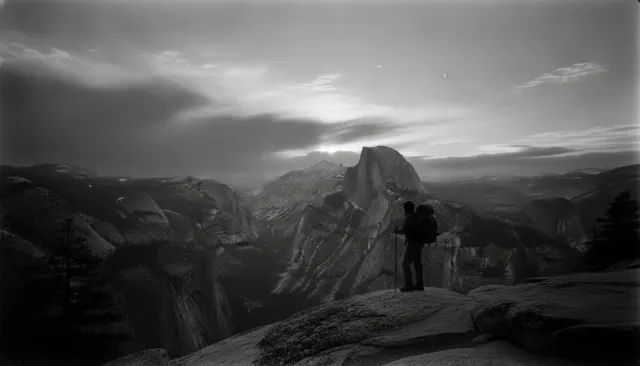
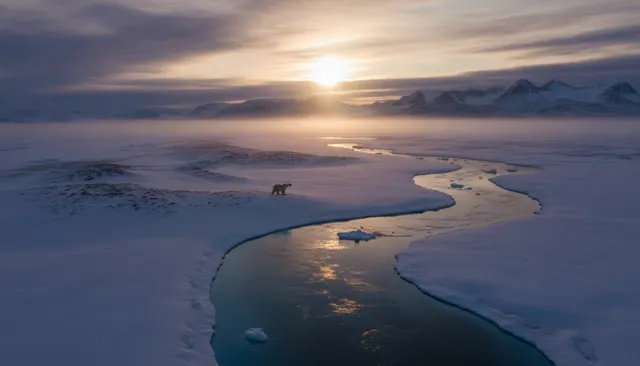
Genesis photographs have a signature tonal quality that distinguishes them from standard black and white documentary work. Salgado shoots on film (he continued using Leica film cameras through much of the Genesis period) and the prints are made to museum-quality archival standards on baryta fine-art paper. The result is a luminous silver-gelatin print quality with extraordinary shadow detail, highlight luminosity, and midtone richness. Aerial photographs of Alaskan glaciers show texture across the full tonal range. Antarctic ice fields glow with an internal light. African savannah at dawn renders individual animal silhouettes against graduated grey sky with the precision of a large-format landscape print.
The Taschen publication of Genesis was produced in two formats: a standard edition and a collector's edition (500 copies) in a specially designed trunk. The exhibition toured major world venues 2013-2015, with prints sized up to 2 meters, allowing the tonal range to be fully appreciated at gallery scale. Wim Wenders directed The Salt of the Earth (2014), a documentary about Salgado's life and work that won the Un Certain Regard jury prize at Cannes and was nominated for the Academy Award for Best Documentary Feature.
Salgado's approach to tonal range, print quality, and subject grandeur has become the defining reference for monochrome landscape and wildlife photography that aspires to gallery-scale impact.
book published by Taschen, 2013 (standard and collector's editions)
A Look is not a filter. It is a set of stored decisions the pipeline reads before it makes a single frame, so two videos in the same Look actually match.