BOOK TRADITIONS EXTENDED · 1990S · USA
Scholastic 90s Bookfair Illustrated
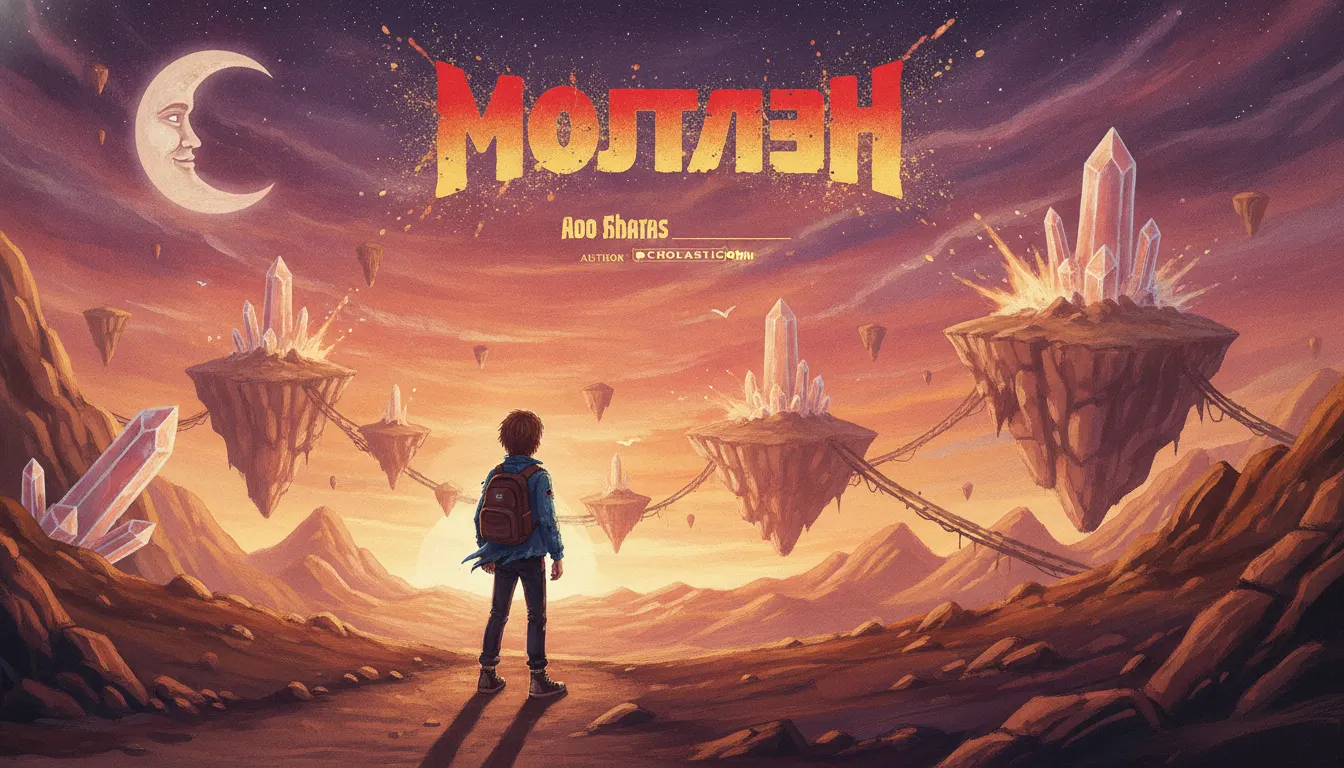
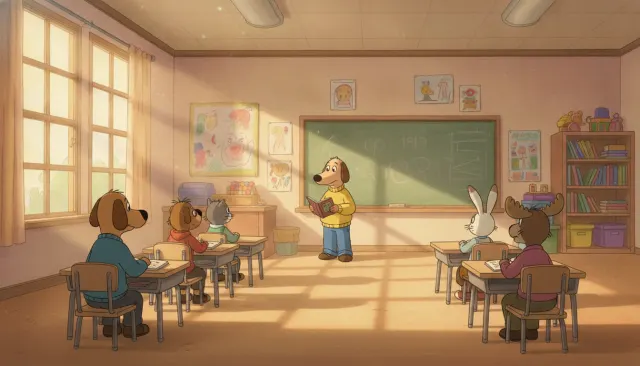
Scholastic Book Fair 1990s paperback cover illustration. Glossy painted action cover, chunky title type, kid hero front-centre, elementary school nostalgia.
scholastic90sbookfairkids
LUT scholastic-90s-bookfair
WHEN TO USE
- Nostalgia content for millennial audiences who grew up attending Scholastic Book Fairs in the 1990s
- Children's media, book promotion, or educational content that wants to deliberately invoke the 1990s children's paperback tradition
- Horror, spooky, or slightly-creepy content that needs to read as fun rather than genuinely frightening -- the Goosebumps register
- Back-to-school or education brand content with a retro 1990s framing
- Halloween content that references the elementary-school-level spooky aesthetic
WHEN NOT TO USE
- Adult horror or serious dark content where the children's-book register trivialises the subject
- Premium or luxury brand content where the mass-market paperback associations are off-brand
- Content targeting audiences outside the US who lack the Scholastic Book Fair cultural reference
- Minimalist or high-design brand content where the deliberately loud, saturated illustration style creates conflicts
SIGNATURE TECHNIQUES
How the look is made.
The moves a human crew would use to get here. Cue applies them for you, and knowing their names is how you ask for a change.
- 01Gouache or digital painting in high
saturation, slightly oversaturated palettes -- dark greens, acid yellows, blood reds for horror; candy brights for adventure
- 02Hyperrealistic figure painting with one unsettling detail
a melting face, glowing eyes, a limb in the wrong position
- 03Title lettering that is heavy, irregular, and slightly three
dimensional -- often with a gloop, slime, or bone texture effect
- 04Suburban or school settings made threatening or strange by the addition of a single uncanny element
- 05Direct eye contact or confrontational poses
the cover figure looks at the viewer
- 06Morphing and transformation sequences (Animorphs) using photorealistic digital compositing to show impossible physical transitions
- 07Flat colour backgrounds that push forward against the dark
palette figure illustrations
HISTORY & CONTEXT
Where it comes from.
Scholastic 90s Book Fair Illustrated
The Scholastic Book Fair was a fixture of American elementary school culture throughout the 1980s and 1990s: a folding-table sale in the school gym or library where children spent birthday money on paperbacks with covers that were specifically designed to catch the eye of an eight-year-old from three metres away. This created a distinctive visual culture: high-saturation, high-contrast illustration optimised for a young, unsophisticated, and easily excited audience.
Goosebumps and Tim Jacobus
The peak expression of this aesthetic is the Goosebumps series by R.L. Stine, with covers illustrated by Tim Jacobus from 1992 to 1997. Jacobus painted in gouache, working in a hyperrealistic style that amplified the creepy and the grotesque while staying just within the range acceptable for an eight-year-old. Welcome to Dead House (1992, #1), Stay Out of the Basement (1992, #2), Monster Blood (1992, #3) -- the covers use dark, damp green palettes, glowing eyes, distorted faces, and a sense of something wrong with the everyday suburban scene. The title lettering is heavy, goopy, slightly melting, in a colour that pops against the dark ground.
Animorphs and David Mattingly
K.A. Applegate's Animorphs series (1996-2001) featured covers by David Mattingly that showed a child's face morphing step-by-step into an animal across a triptych of images on each cover. The technique was photorealistic digital compositing: Mattingly photographed children and then digitally blended the animal transformation stages. The result was viscerally unsettling in the way that the best 90s book fair material was -- strangely compelling because of its technical sincerity.
Babysitters Club and the Bright End
At the opposite end of the register, The Baby-Sitters Club covers (illustrated by various artists through the 1980s-90s run) typify the bright, character-centric style: bold linework, solid fills, friendly faces, the kind of approachable illustration that reads as warm rather than unsettling. The covers by Hodges Soileau and the reissue covers represent the candy-bright pole of the same aesthetic ecosystem.
NOTABLE WORKS
Where you have seen it.
Tim Jacobus, Goosebumps #2: Stay Out of the Basement
1992
Tim Jacobus, Goosebumps #7: Night of the Living Dummy
1993
David Mattingly, Animorphs #1: The Invasion (1996, Scholastic)
Hodges Soileau, various Baby-Sitters Club covers (1986-2000)
Various illustrators, Fear Street covers (R.L. Stine, Scholastic/Archway)
THE RECIPE
The exact knobs
the renderer turns.
A Look is not a filter. It is a set of stored decisions the pipeline reads before it makes a single frame, so two videos in the same Look actually match.
SettingValue
GradeColour LUT applied to every frame
scholastic-90s-bookfairTransitionHow one shot becomes the next
hard cuts · 160ms · linearKen BurnsCamera move applied to stills
Slow push · 0.02 · centerTypographyDisplay / body / mono pairing
Bangers · Inter · JetBrains MonoMusic moodWhat the bed under the voice sounds like
adventure-strings-kids · mystery-pianoPrompt suffixAppended to every shot prompt in this Look
Scholastic Book Fair 1990s paperback cover illustration, glossy painted action cover, chunky title type, kid hero front centre, elementary school nostalgiaPALETTE
Primary
#1A3A8E
Secondary
#E8252C
Accent
#F5C144
Text/Light
#0A1424
Text/Dark
#FFFFFF
BG 900
#0A1424
BG 800
#152A4A
RELATED LOOKS
Next to it on the shelf.


Your first cut
is on us.
+ New videoFree plan · no card · 1080p export