BOOK TRADITIONS EXTENDED · 1990S · USA
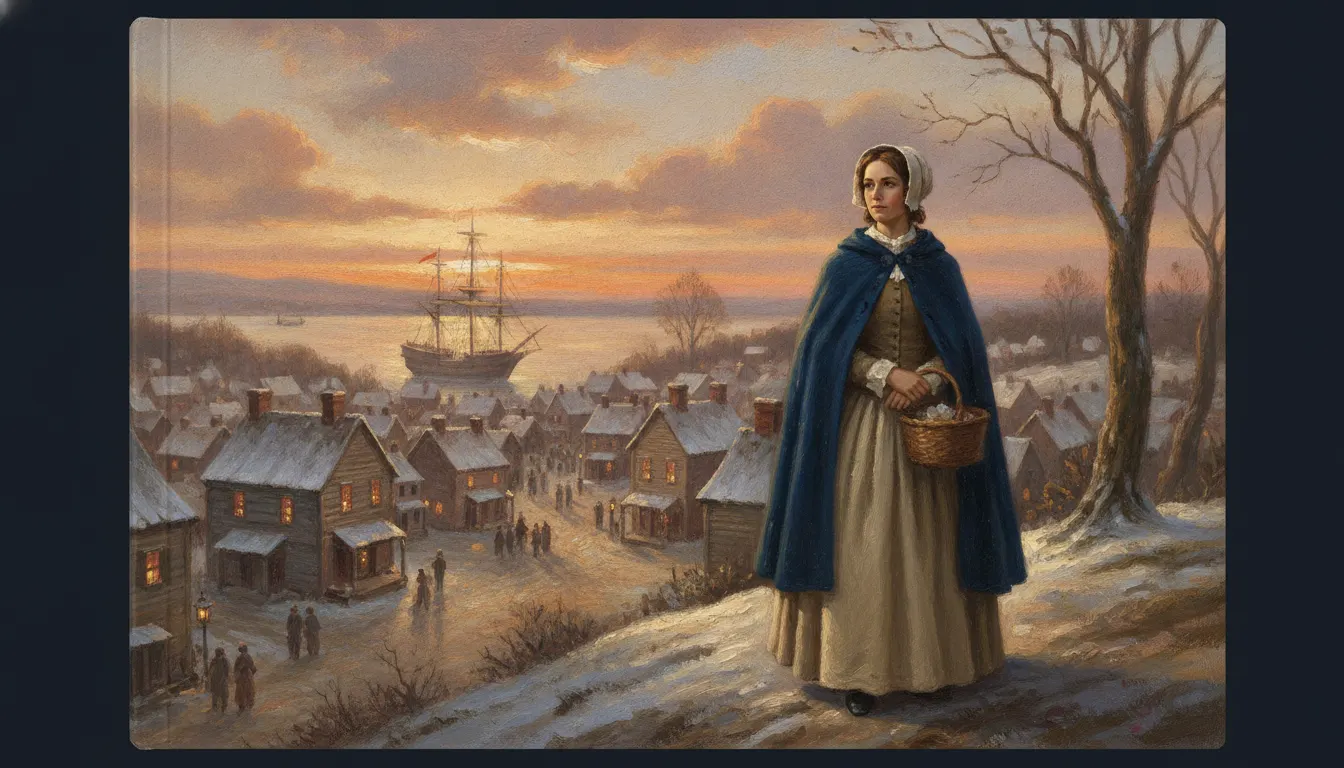
American Girl Historical Fiction Cover
American Girl historical fiction book cover. Painted period-costume girl, soft warm gouache, Felicity Samantha Molly era-specific background, hardcover series.
american-girlhistoricalgouachekids
LUT american-girl-historical
WHEN TO USE
- Children's and middle-grade book trailers or educational content
- Historical educational content aimed at ages 8-14
- Nostalgic content for millennial audiences who grew up with American Girl
- Brand content for toy, children's publishing, or family entertainment companies
- Period-set storytelling content that needs warmth and approachability over grit
- Social content celebrating historical women, diversity in history, or heritage
WHEN NOT TO USE
- Adult audiences who want historical realism or prestige drama aesthetics
- Dark, mature, or complex historical narratives involving violence or trauma
- Contemporary or futuristic content with no historical reference
- Brand content targeting teens or adults who would find the style juvenile
- Minimalist or modernist visual identities
SIGNATURE TECHNIQUES
How the look is made.
The moves a human crew would use to get here. Cue applies them for you, and knowing their names is how you ask for a change.
- 01Warm naturalistic lighting
golden hour, candlelight, soft window light
- 02Medium close
up framing centered on a relatable protagonist with clear emotional expression
- 03Carefully researched period costumes, props, and architectural details
- 04Painterly realism with soft edges and subtle texture rather than photographic hardness
- 05Earth
tone and dusty-pastel palette with warm accent colors for the focal subject
- 06Background storytelling
period-appropriate settings visible but not competing with the figure
- 07Age
appropriate emotional legibility - expressions are clear and inviting, not ambiguous
HISTORY & CONTEXT
Where it comes from.
American Girl Historical Fiction Cover Illustration
The American Girl book series, launched by Pleasant Company in 1986 and acquired by Mattel in 1998, established one of the most recognizable illustration styles in American children's publishing. The series introduced historical characters - Kirsten (1854 Swedish immigrant), Addy (1864 formerly enslaved girl), Samantha (1904 Victorian), Molly (1944 WWII home front) - each with a six-book set depicting their historical period through the eyes of a nine-year-old girl.
The Illustration Tradition
The original covers were illustrated primarily by Renée Graef (the early Kirsten, Samantha, and Molly books), Dahl Taylor (Addy series), and Nick Backes, among others. The style is warm, painterly realism designed for middle-grade readers: soft natural lighting, carefully researched period costumes and settings, and a face-forward compositional approach that makes the protagonist's emotional state immediately legible. The illustrations aim for historical authenticity - lace collars, wooden butter churns, gas lamps, victory gardens - while remaining accessible and emotionally inviting rather than museum-dry.
Visual Language
The covers typically feature a close-to-medium shot of the central character with a relevant historical scene or object in the background. Lighting is warm and naturalistic, often suggesting golden hour or interior candlelight. Skin tones are rendered with attention to variety and accuracy. The palette skews toward period-appropriate earth tones, desaturated pinks, and dusty blues, but is never dull - there is always a warm color accent that draws the eye to the subject.
The illustrations were printed at a relatively small size (5.5" x 7.5") but painted at larger scale, giving them a richness that rewards close examination. This tradition influenced a generation of American children's book illustrators working in historical and realistic genres through the 1990s and 2000s.
Legacy
The American Girl visual language became the default aesthetic for mid-grade historical fiction illustration in the United States, influencing cover art for the Dear America diary series (Scholastic, 1996-present), My America books, and dozens of standalone historical novels. The style signals authenticity, warmth, and age-appropriate seriousness - it tells the reader this story is worth taking seriously without being intimidating.
NOTABLE WORKS
Where you have seen it.
Addy Learns a Lesson cover illustration (Dahl Taylor, 1993)
Samantha's Surprise cover illustration (Renée Graef, 1986)
Molly's Surprise cover illustration
1986
Meet Felicity cover illustration (Dan Andreasen, 1991)
Dear America series covers (Scholastic, 1996-2004, various illustrators)
THE RECIPE
The exact knobs
the renderer turns.
A Look is not a filter. It is a set of stored decisions the pipeline reads before it makes a single frame, so two videos in the same Look actually match.
SettingValue
GradeColour LUT applied to every frame
american-girl-historicalTransitionHow one shot becomes the next
hard cuts · 160ms · linearKen BurnsCamera move applied to stills
Slow push · 0.02 · centerTypographyDisplay / body / mono pairing
Cormorant · Lora · JetBrains MonoMusic moodWhat the bed under the voice sounds like
period-strings · piano-historicalPrompt suffixAppended to every shot prompt in this Look
American Girl historical fiction hardcover painted cover, period costume girl, soft warm gouache, Felicity Samantha Molly era specific backgroundPALETTE
Primary
#7A2030
Secondary
#A8C9A0
Accent
#D4A574
Text/Light
#1A0808
Text/Dark
#F5E0C8
BG 900
#1A0808
BG 800
#2A1812
RELATED LOOKS
Next to it on the shelf.


Your first cut
is on us.
+ New videoFree plan · no card · 1080p export