ILLUSTRATORS EXTENDED · 2010S · USA
Adrian Tomine Clean Graphic Novel
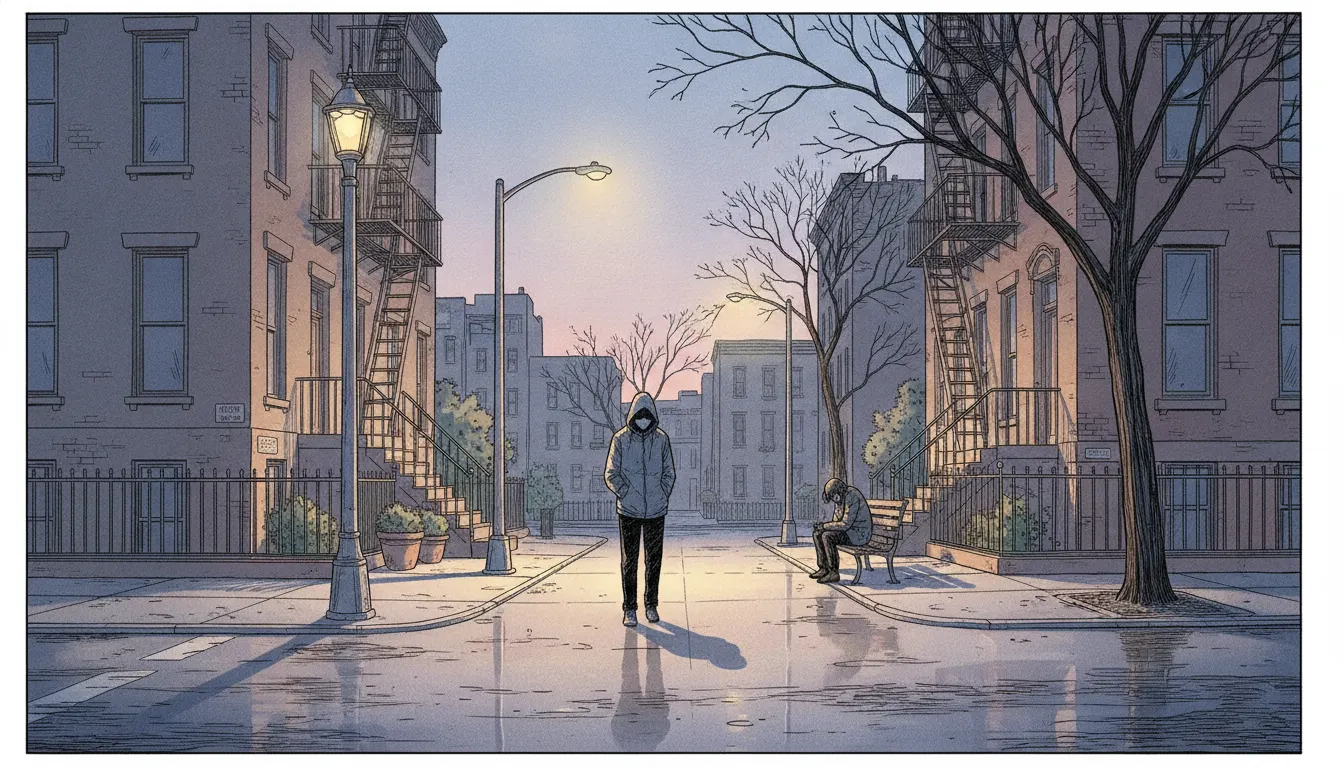
Adrian Tomine New Yorker graphic novel. Clean even ink line, modern Brooklyn quiet observation, melancholic moment between characters, Optic Nerve grid.
tomineoptic-nerveclean-linemelancholic
LUT tomine-optic-nerve-clean
WHEN TO USE
- Book trailers, literary podcasts, and author brand content seeking a contemporary graphic novel aesthetic
- Animated explainers or editorial videos for thoughtful, literate audiences
- Content about urban life, solitude, relationships, or identity
- Social media covers and thumbnails for culture, arts, or journalism channels
- Title sequences for indie films or documentary series with a literary sensibility
- Brand storytelling for lifestyle, publishing, or cultural institutions
WHEN NOT TO USE
- High-energy action content, sports, or anything requiring dynamic motion
- Children's content or family entertainment where warmth and expressiveness are key
- Corporate or enterprise content where a comic-style aesthetic undercuts seriousness
- Loud, maximalist campaigns that depend on color saturation and visual drama
- Comedy content that needs exaggerated caricature or broad visual humor
SIGNATURE TECHNIQUES
How the look is made.
The moves a human crew would use to get here. Cue applies them for you, and knowing their names is how you ask for a change.
- 01Thin, consistent ink line with minimal variation in weight
clean and controlled
- 02Muted, slightly desaturated color palette
dusty blues, off-whites, warm greys, dim yellows
- 03Careful negative space
empty panels and breathing room carry emotional weight
- 04Urban settings depicted with architectural precision
apartments, storefronts, subway cars
- 05Figures conveying emotion through posture and placement rather than exaggerated expression
- 06Formal, nearly orthographic panel composition
very few dramatic angles
- 07Deliberate omission
key moments happen off-panel, dialogue trails off, scenes cut early
HISTORY & CONTEXT
Where it comes from.
Adrian Tomine: Quiet Urbanity in Comics
Adrian Tomine (born 1974, Sacramento) is an American cartoonist and illustrator whose work synthesizes the clean ligne claire tradition of European comics with the emotional interiority of literary fiction. He began self-publishing his minicomic series Optic Nerve at age sixteen, and Drawn & Quarterly picked it up in 1995 when Tomine was a UC Berkeley student.
Optic Nerve and Graphic Novels
The Optic Nerve series grew into a vehicle for carefully observed stories about urban loneliness, miscommunication, and the quiet disasters of young adult life. Summer Blonde (2002) collected four stories characterized by precise emotional ambiguity and deliberate narrative ellipsis - things are left unsaid and unresolved in ways that feel true to life. Shortcomings (2007), his first full-length graphic novel, followed a self-deluding film programmer in Berkeley; it was adapted into a film in 2023. Killing and Dying (2015) is widely considered his most formally ambitious work, with each story using a distinct graphic approach.
Tomine's most recent major collection, The Loneliness of the Long-Distance Cartoonist (2020), is a memoir in comics form - deadpan, self-deprecating, and visually restrained.
New Yorker Covers
Since 1999, Tomine has produced dozens of covers for The New Yorker. These covers distill his sensibility into single images: solitary figures in urban environments, windows as frames within frames, winter light, and the particular loneliness of public spaces. They are among the most reproduced contemporary illustration works in American media.
Visual Style
Tomine's line is clean and unwavering - influenced by Daniel Clowes, Charles Burns, and the Japanese manga tradition (particularly Yoshihiro Tatsumi's gekiga work). His color palette tends toward muted, slightly desaturated tones: grey-blues, dusty oranges, off-whites. Figures are rendered with subtle expressiveness; emotion is communicated through posture and negative space as much as facial expression. Panel composition is formal and deliberate, often using orthographic angles that feel architectural.
The overall effect is literary illustration that rewards slow reading - every panel is composed like a short story photograph.
NOTABLE WORKS
Where you have seen it.
Summer Blonde (Drawn & Quarterly, 2002)
Shortcomings (Drawn & Quarterly, 2007; adapted to film 2023)
Killing and Dying (Drawn & Quarterly, 2015)
The Loneliness of the Long-Distance Cartoonist (Drawn & Quarterly, 2020)
New Yorker cover
'Missed Connection' (2012, two solitary figures in winter)
New Yorker cover
'Selfie' (2014, woman photographing herself in doorway)
New Yorker covers (1999-present, dozens of images)
THE RECIPE
The exact knobs
the renderer turns.
A Look is not a filter. It is a set of stored decisions the pipeline reads before it makes a single frame, so two videos in the same Look actually match.
SettingValue
GradeColour LUT applied to every frame
tomine-optic-nerve-cleanTransitionHow one shot becomes the next
hard cuts · 160ms · linearKen BurnsCamera move applied to stills
Slow push · 0.02 · centerTypographyDisplay / body / mono pairing
Cooper Hewitt · Inter · JetBrains MonoMusic moodWhat the bed under the voice sounds like
indie-folk-melancholic · piano-quietPrompt suffixAppended to every shot prompt in this Look
Adrian Tomine New Yorker Optic Nerve graphic novel, clean even ink line, modern Brooklyn quiet observation, melancholic moment between charactersPALETTE
Primary
#3A4A5C
Secondary
#F5F0E0
Accent
#D4A574
Text/Light
#1A2A30
Text/Dark
#F5F0E0
BG 900
#1A2A30
BG 800
#2A3A40
RELATED LOOKS
Next to it on the shelf.
Your first cut
is on us.
+ New videoFree plan · no card · 1080p export