How to Catch a Star -- Jeffers' debut; boy attempts to befriend a star
2004
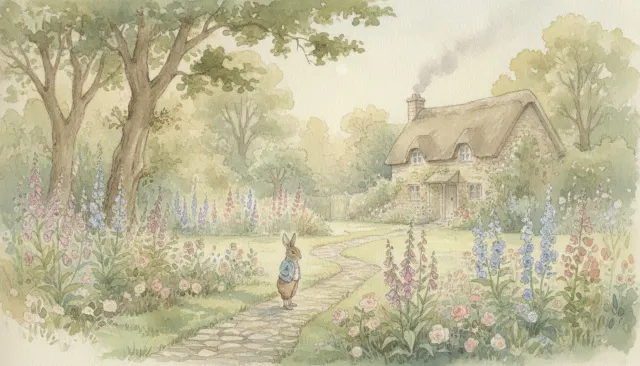
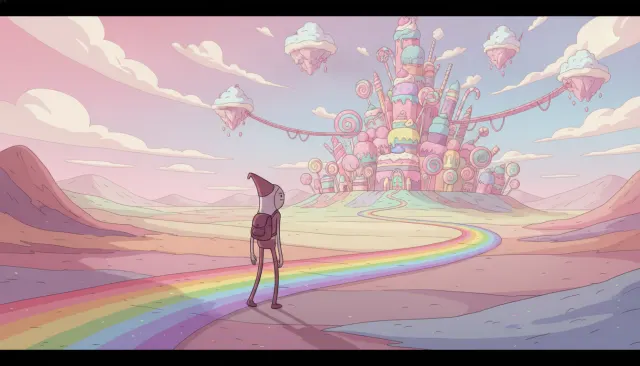
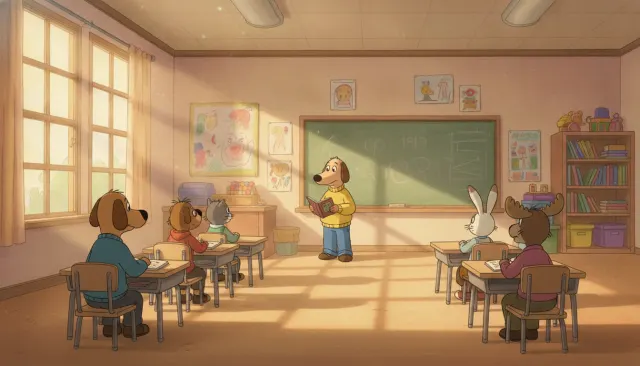
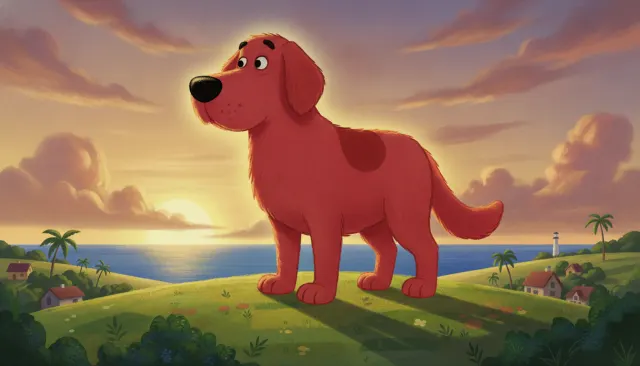
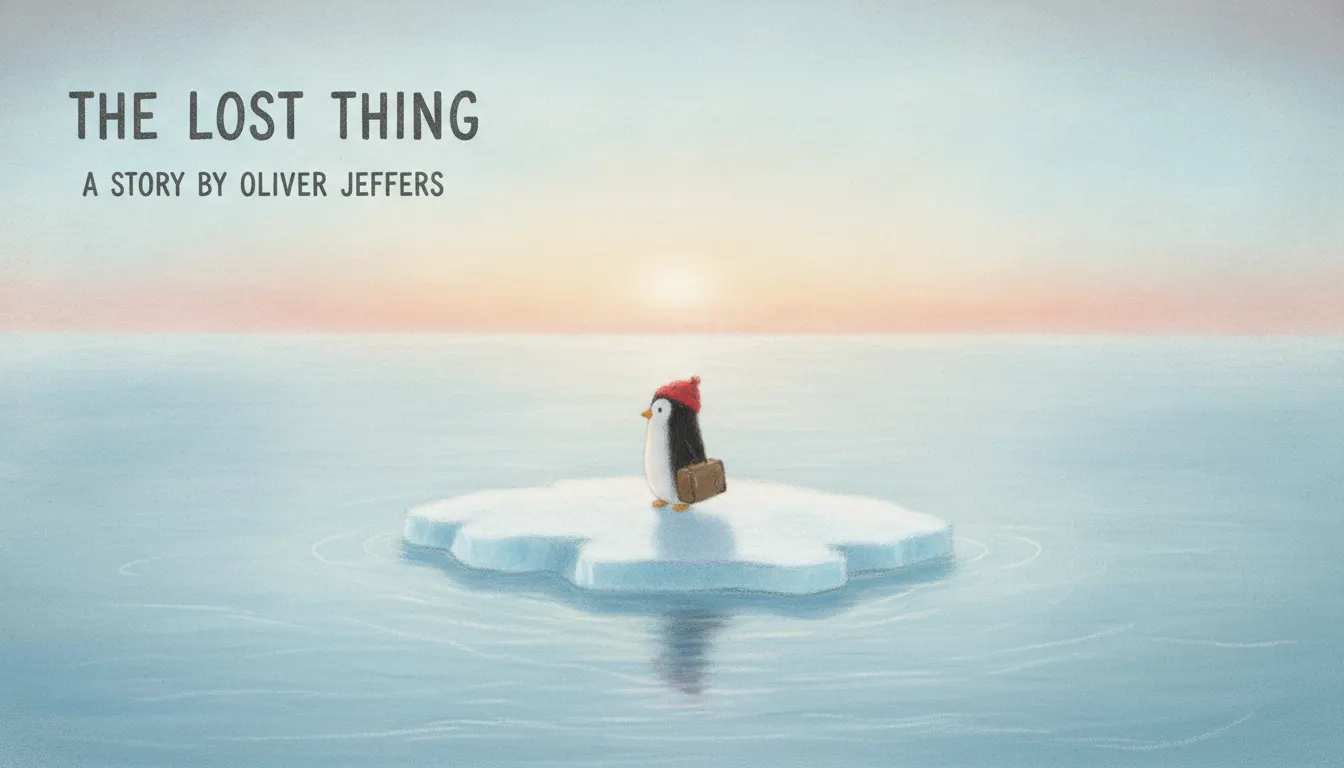
Oliver Jeffers Lost and Found gentle pastel. Hand-lettered title, soft chalky character, sparse white space, wistful child-and-creature.
The moves a human crew would use to get here. Cue applies them for you, and knowing their names is how you ask for a change.
- cerulean, ochre, rose, sage
lettering in a slightly uneven, pen-on-paper script integrated directly into illustration
- usually two or three dominant hues -- that shifts emotionally across pages
Oliver Jeffers (born 1977, Belfast) is one of the most influential picture-book illustrators of the 21st century. His visual language blends naive figurative drawing with tender washes of watercolour and gouache rendered in the chalky, muted tones we associate with soft pastels. The result is work that looks simultaneously childlike and emotionally sophisticated.
Jeffers published Lost and Found in 2005 -- a story about a boy and a penguin -- that established his hallmark palette: dusty cerulean seas, warm ochre paper texture, and wobbly-limbed characters drawn with deliberate imprecision. How to Catch a Star (2004), The Incredible Book Eating Boy (2006), and Up and Down (2010) deepened the vocabulary. His biggest commercial breakout came with The Day the Crayons Quit (2013, text by Drew Daywalt), which spent more than 140 weeks on the New York Times bestseller list and demonstrated how his pastel-on-textured-paper aesthetic translates into a full-cast ensemble of colour.
What separates Jeffers from other children's illustrators is his use of negative space and intentional imperfection. Characters are rarely centred; white or cream paper breathes around them. His hand-lettering -- slightly slanted, pen-on-paper -- reinforces the sense that a real human sat down and drew this just for you. Palette temperature shifts dramatically from spread to spread to carry emotional weight: a cold teal when the boy is lonely, warm amber when reunion arrives.
Jeffers also produces fine-art painting and was shortlisted for the Roald Dahl Funny Prize. His editorial and commercial work (Apple, UNICEF campaigns) proves the style can scale beyond children's books into warm-brand storytelling. The aesthetic has influenced a generation of Instagram illustrators who blend hand-lettering with washed-out pastel fields.
2004
2005
2006
2010
2017
2017
A Look is not a filter. It is a set of stored decisions the pipeline reads before it makes a single frame, so two videos in the same Look actually match.